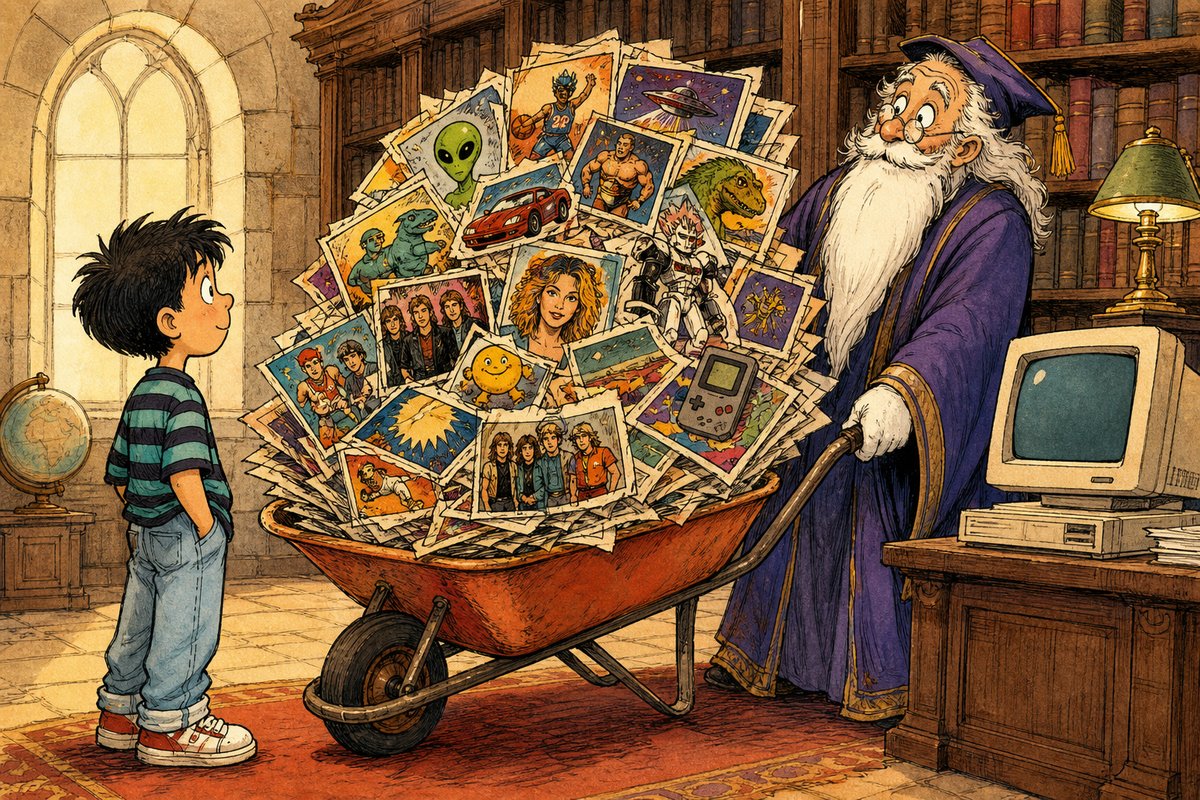
90s Kid - Asking the Search Portal
You typed a full polite question into the internet and received twelve unrelated fan pages.
You typed a full polite question into the internet and received twelve unrelated fan pages.
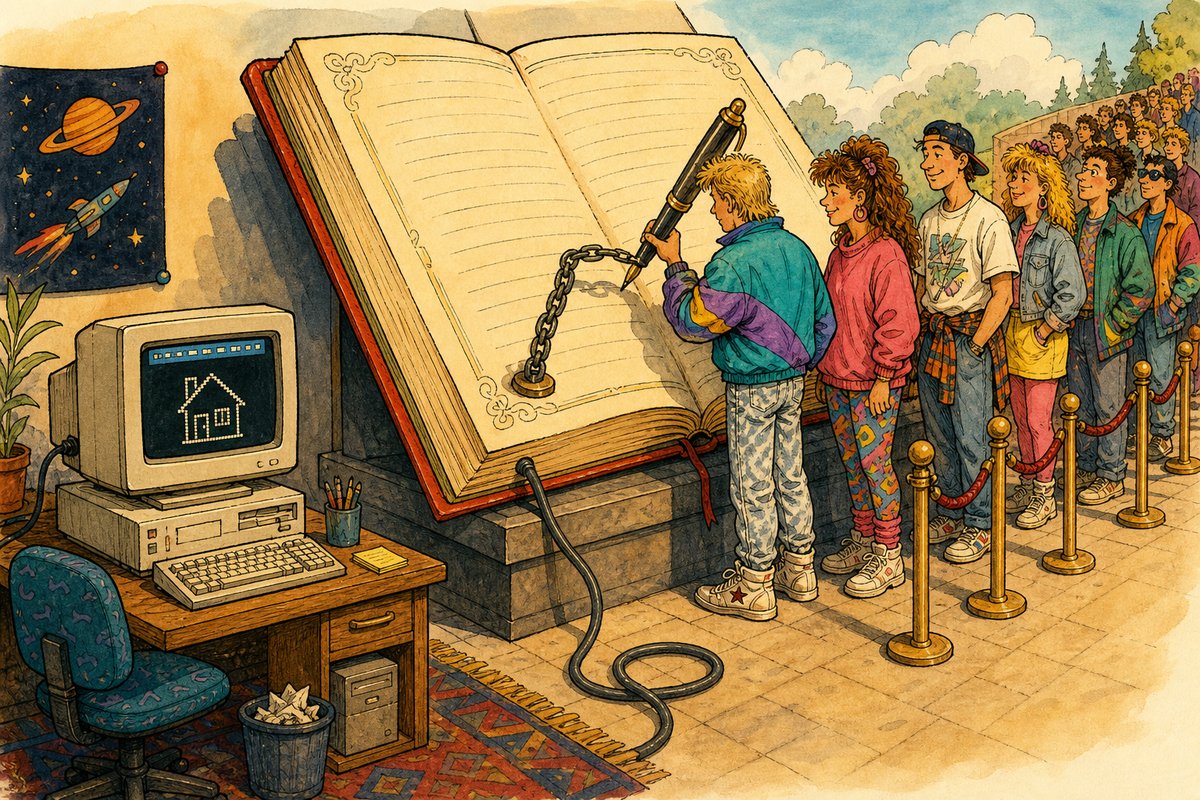
The website had no comments section, so strangers wrote in a public digital wedding book.
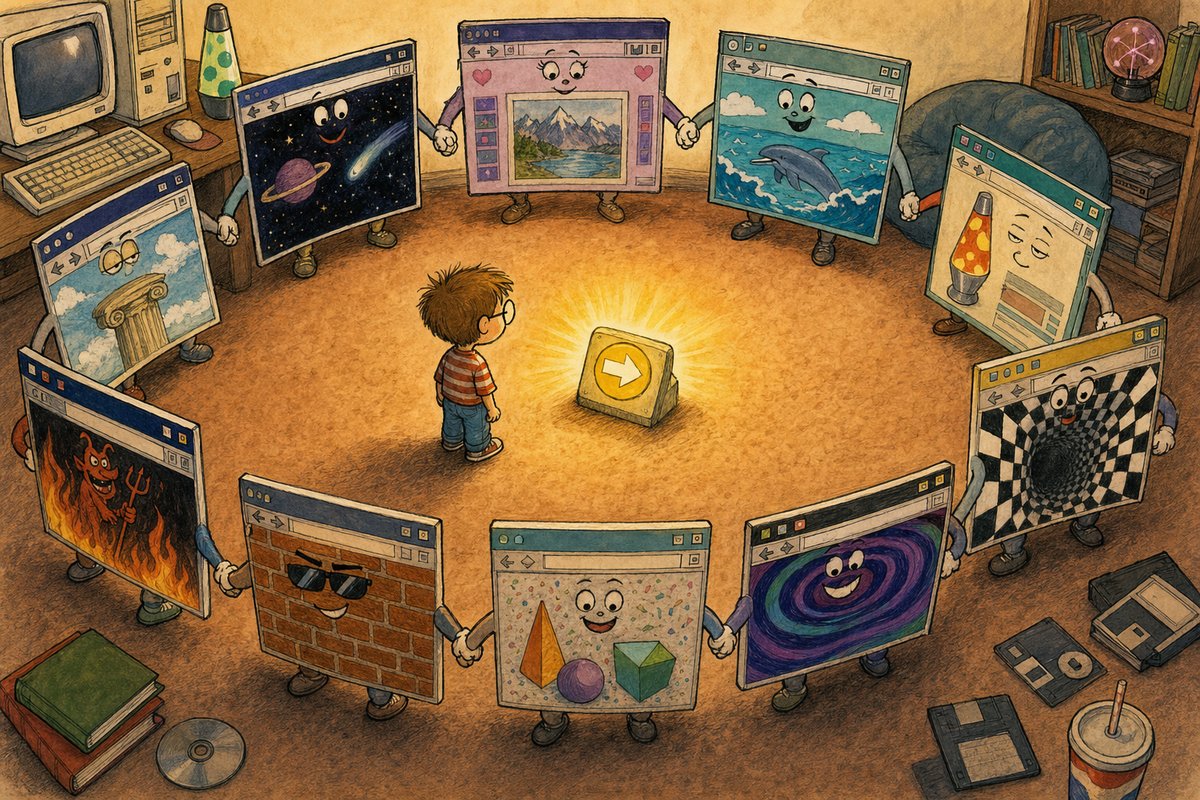
Before algorithms, websites held hands and passed you to the next person who loved the same obscure thing.
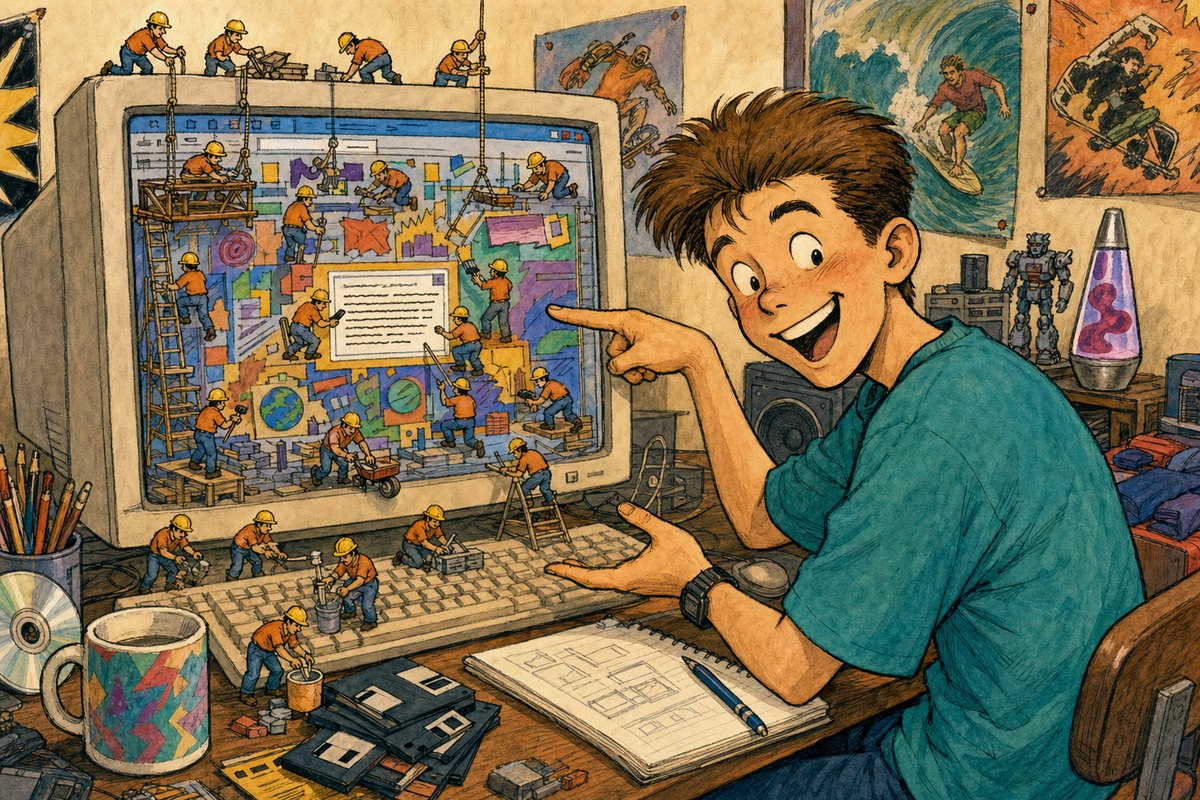
The website had one paragraph, seven animated workers, and a promise to return soon.
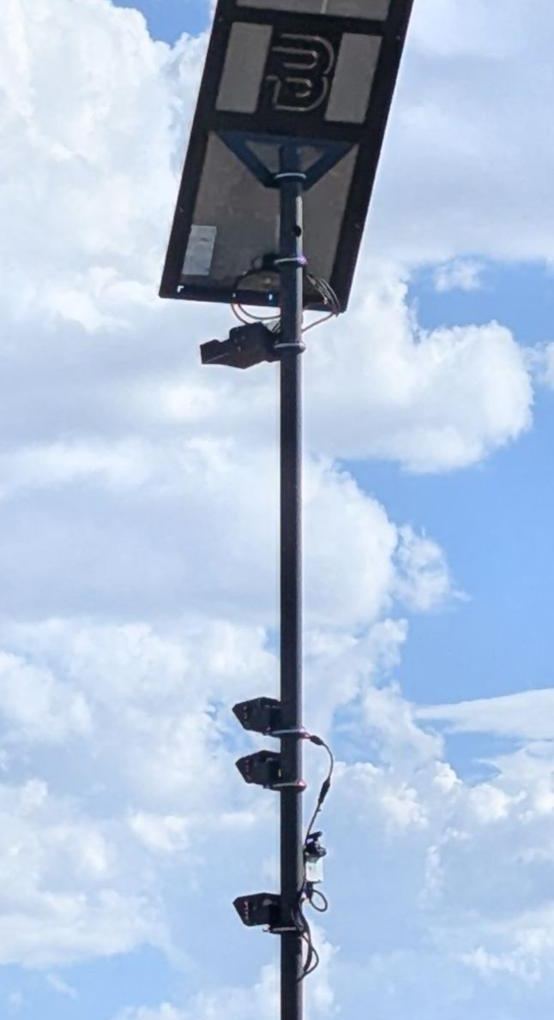
Plate readers, average-speed towers, gunshot sensors, surveillance trailers and a flood station in the mountains. Twelve kinds of unattended cameras, how to tell them apart, and what each one actually watches.
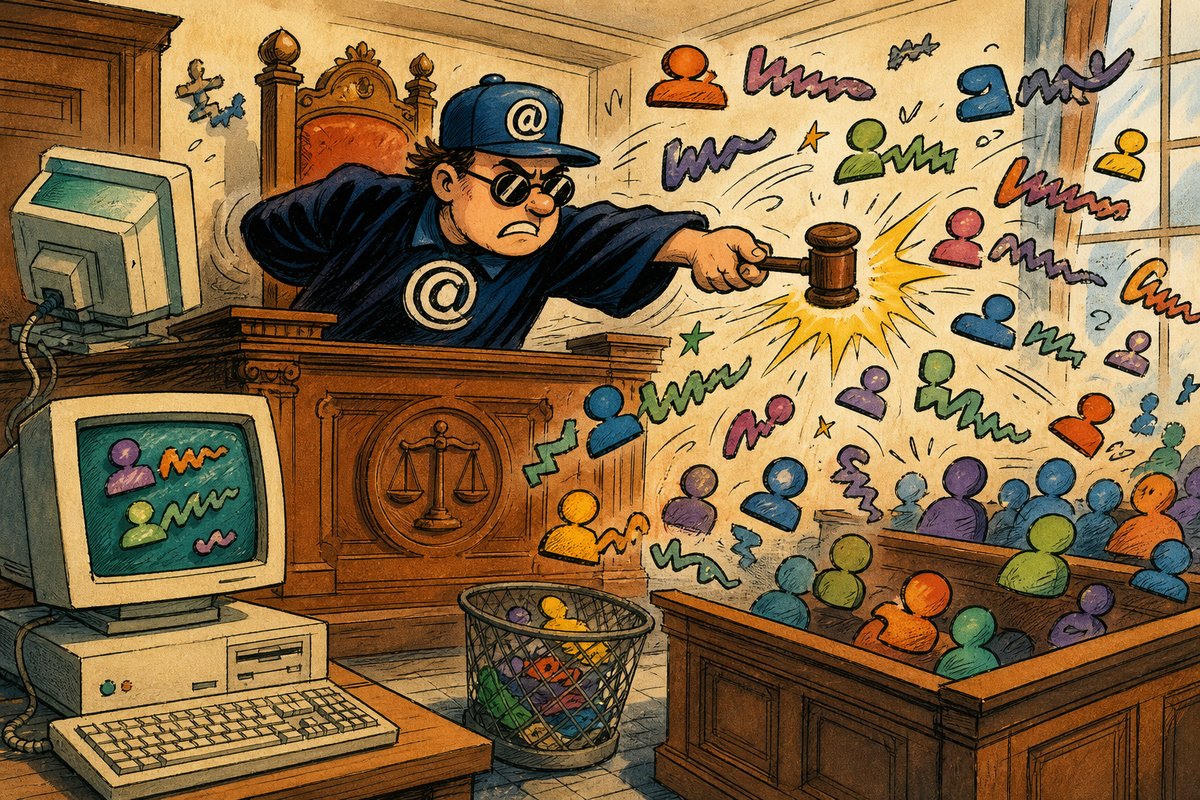
A text window became a room, the person with an at-sign became law, and one mistyped command became public.
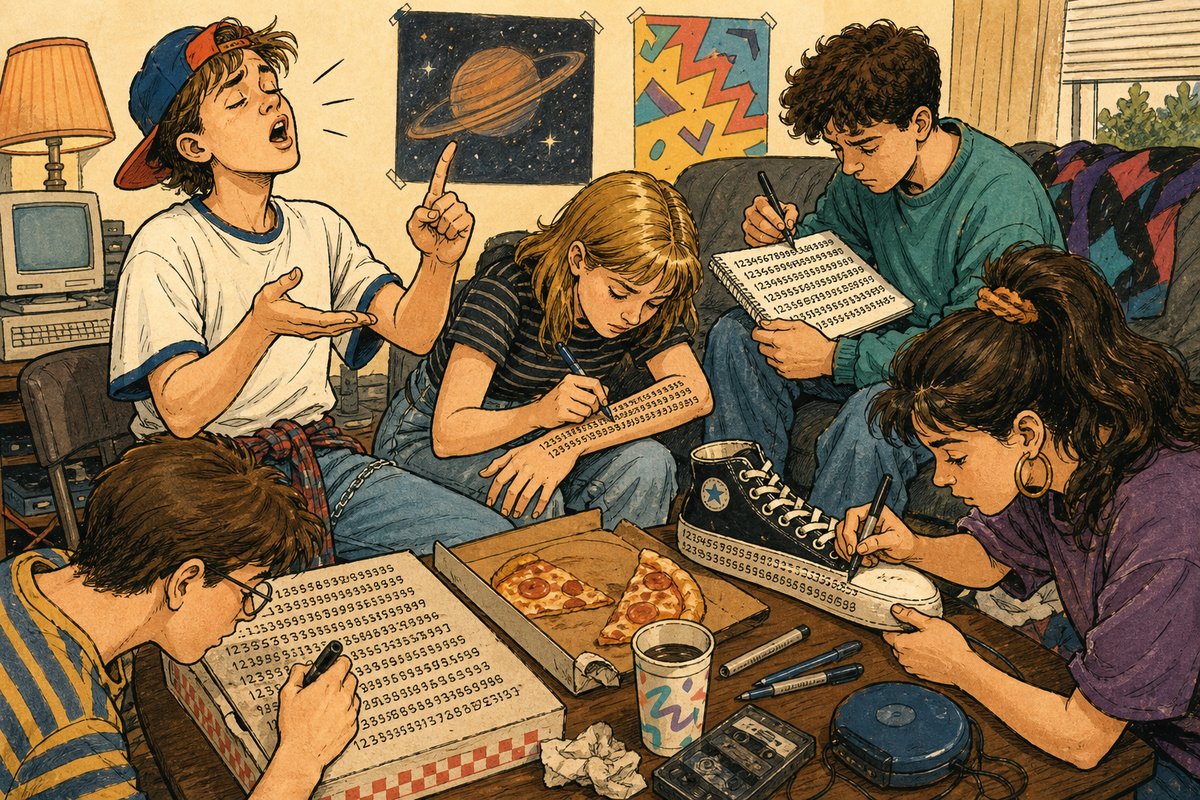
Friendship required memorizing a number longer than your home phone and waiting for the little uh-oh.

A tiny music player opened a portal of colors powerful enough to make homework impossible.
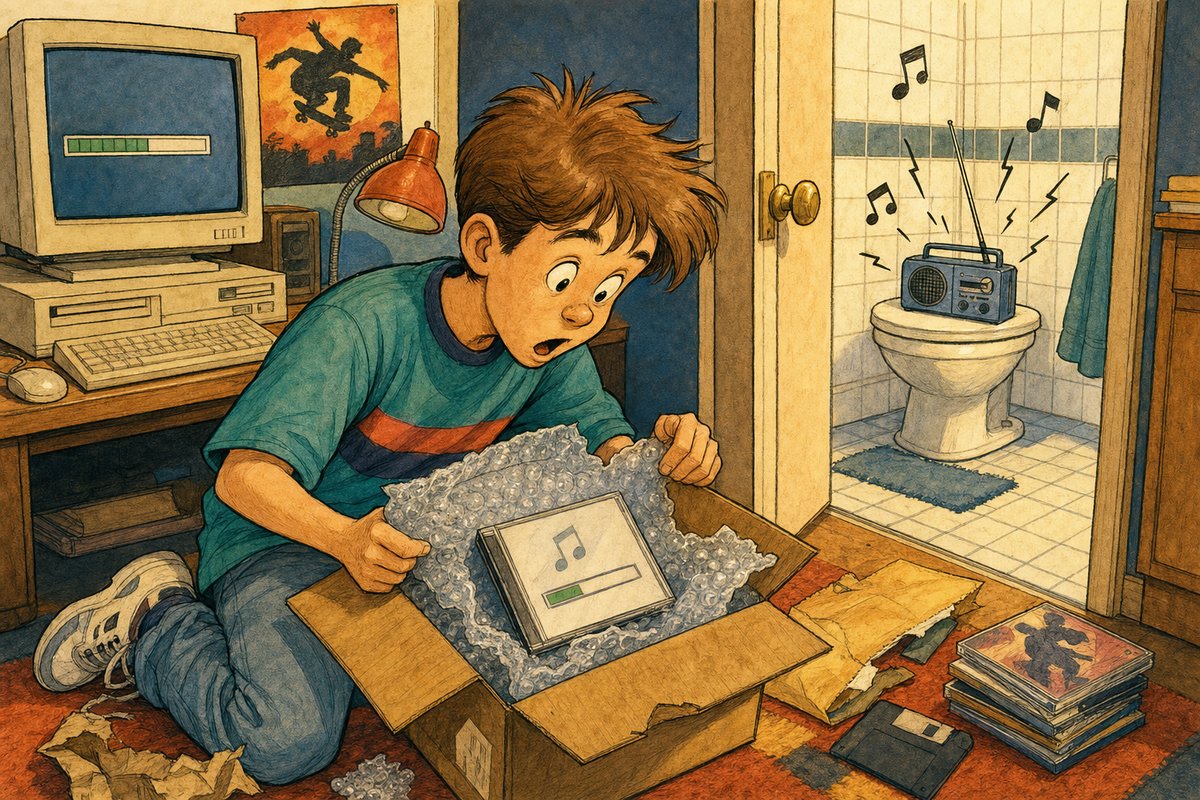
The song took four hours, reached 99 percent, and became something recorded from a radio in a bathroom.
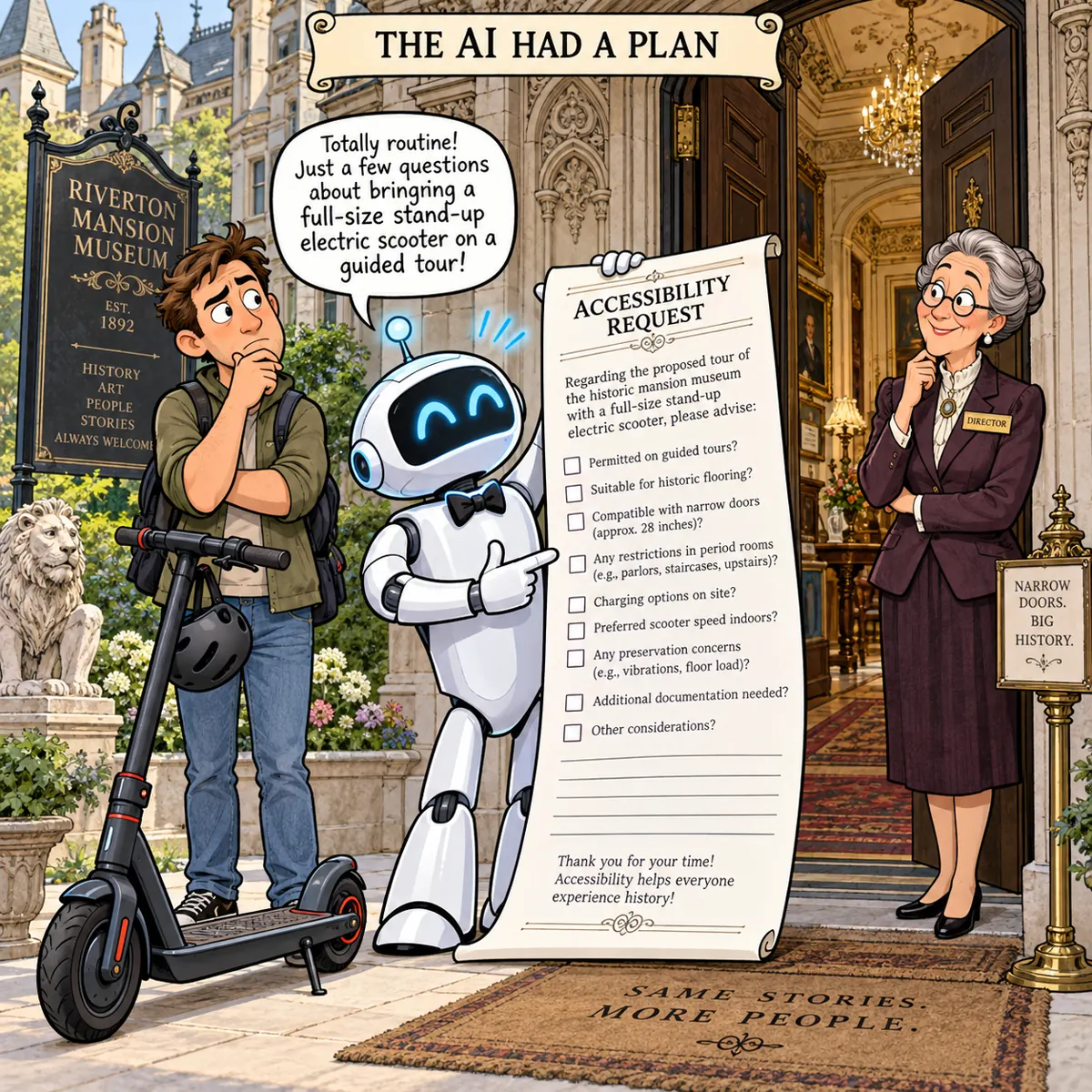
I asked AI to check whether attractions would allow my electric scooter. It sent a formal mobility-aid request to a 136-year-old mansion—and the museum had receipts.