The Accidental Infrastructure Tour
Yesterday I took my scooter around the neighborhood. Supposed to be a little ride. Get outside. Look around.
Apparently “look around” means photograph every utility pole, mysterious cabinet, and large pipe within range.
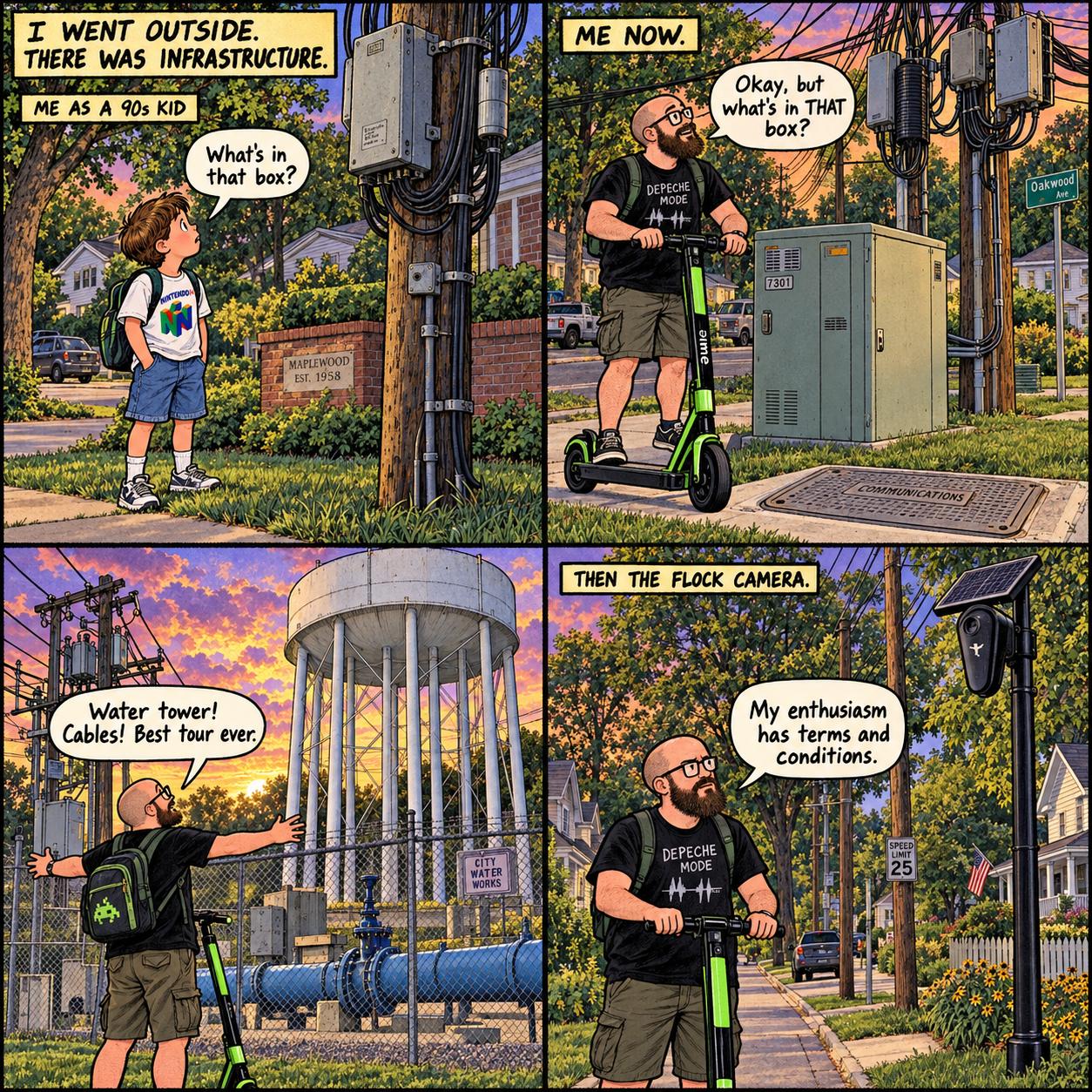
Some people stop for flowers. I stop because there’s an interesting box attached to another interesting box.
This has been going on since the 90s. Back then, you’d see crews running cables or opening those gray cabinets and wonder what the hell was inside. Adults would say “phone stuff,” like that settled anything.
Now I work with technology for a living. I have considerably more specific questions about the box.
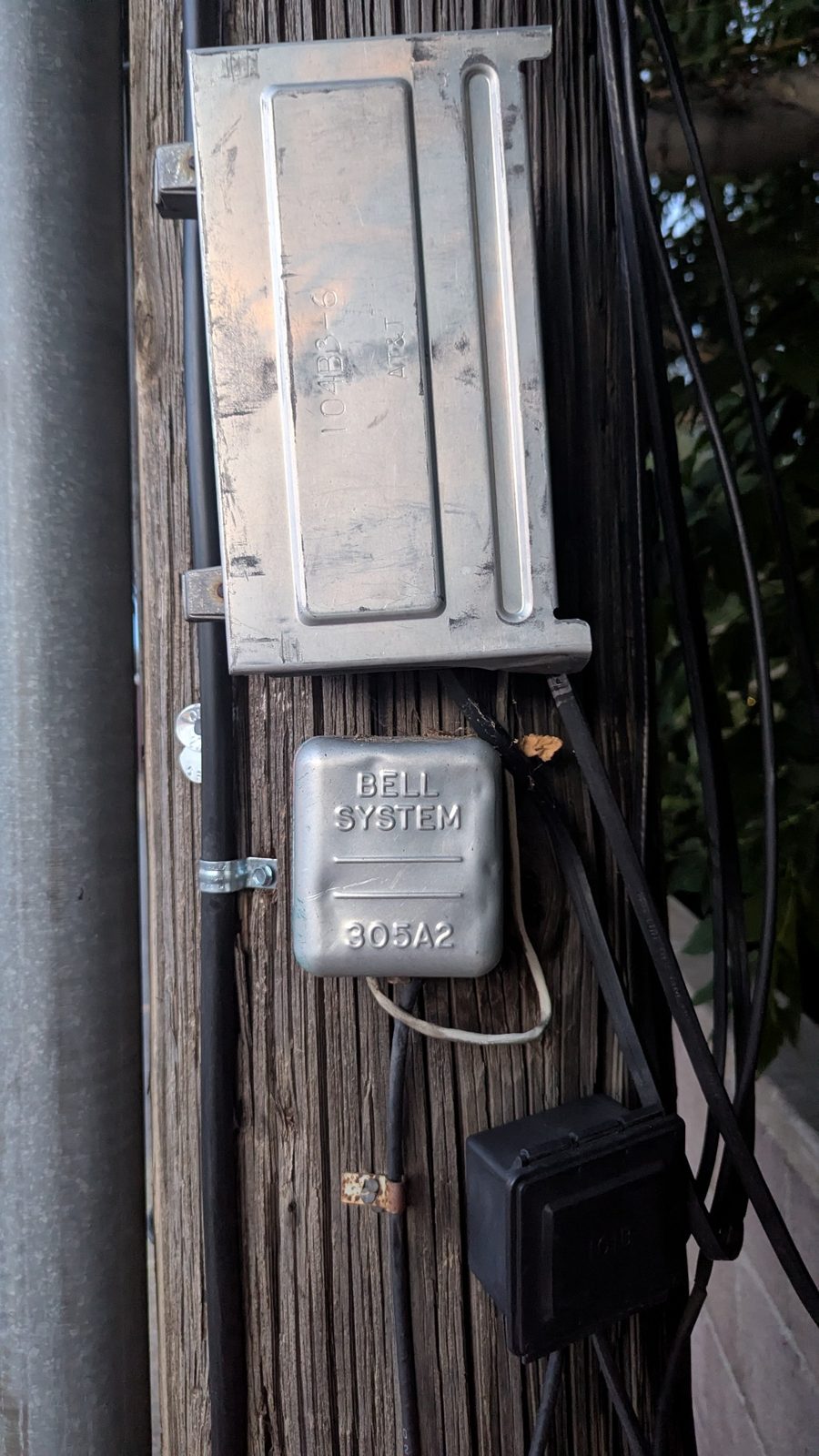
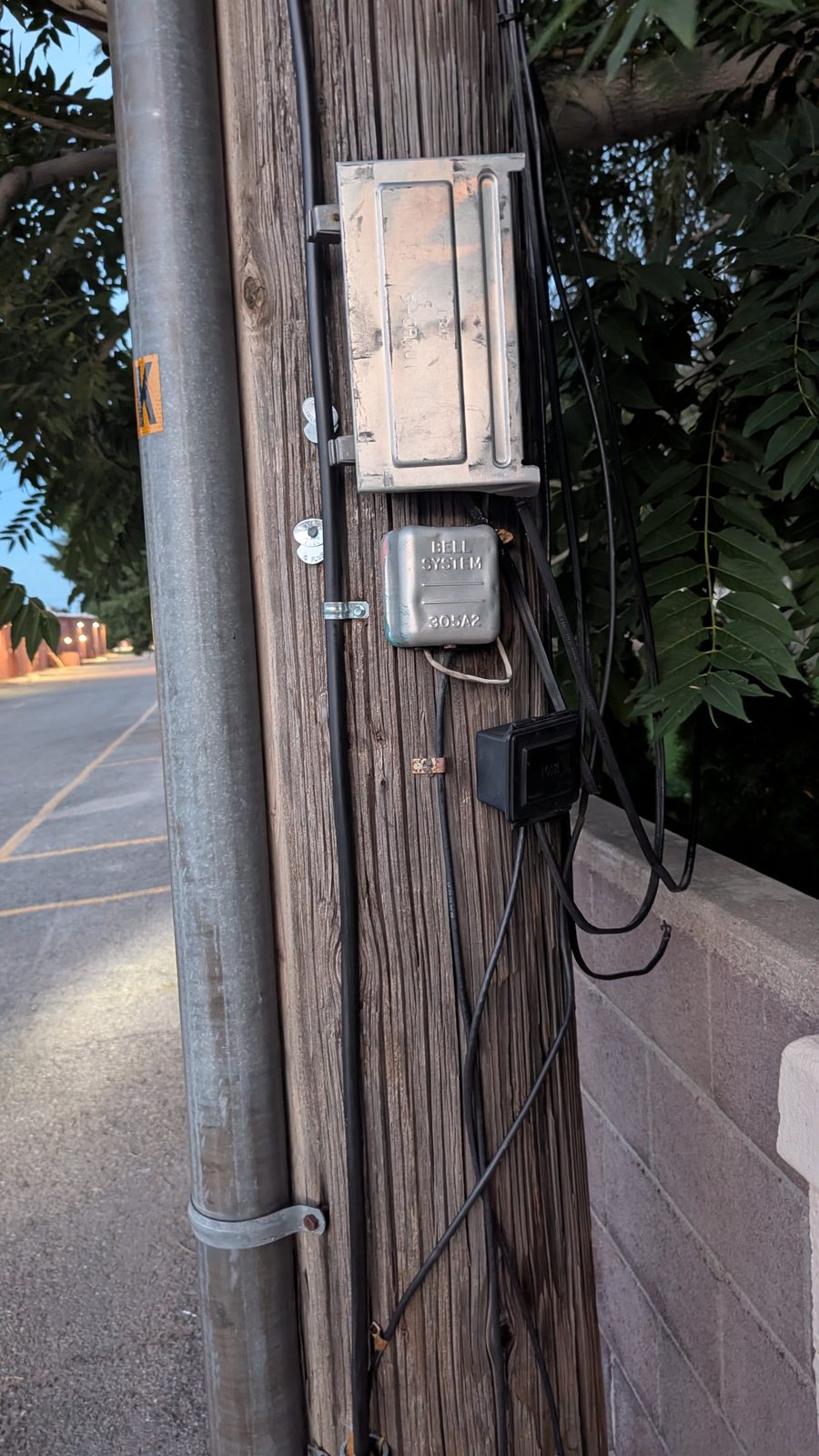
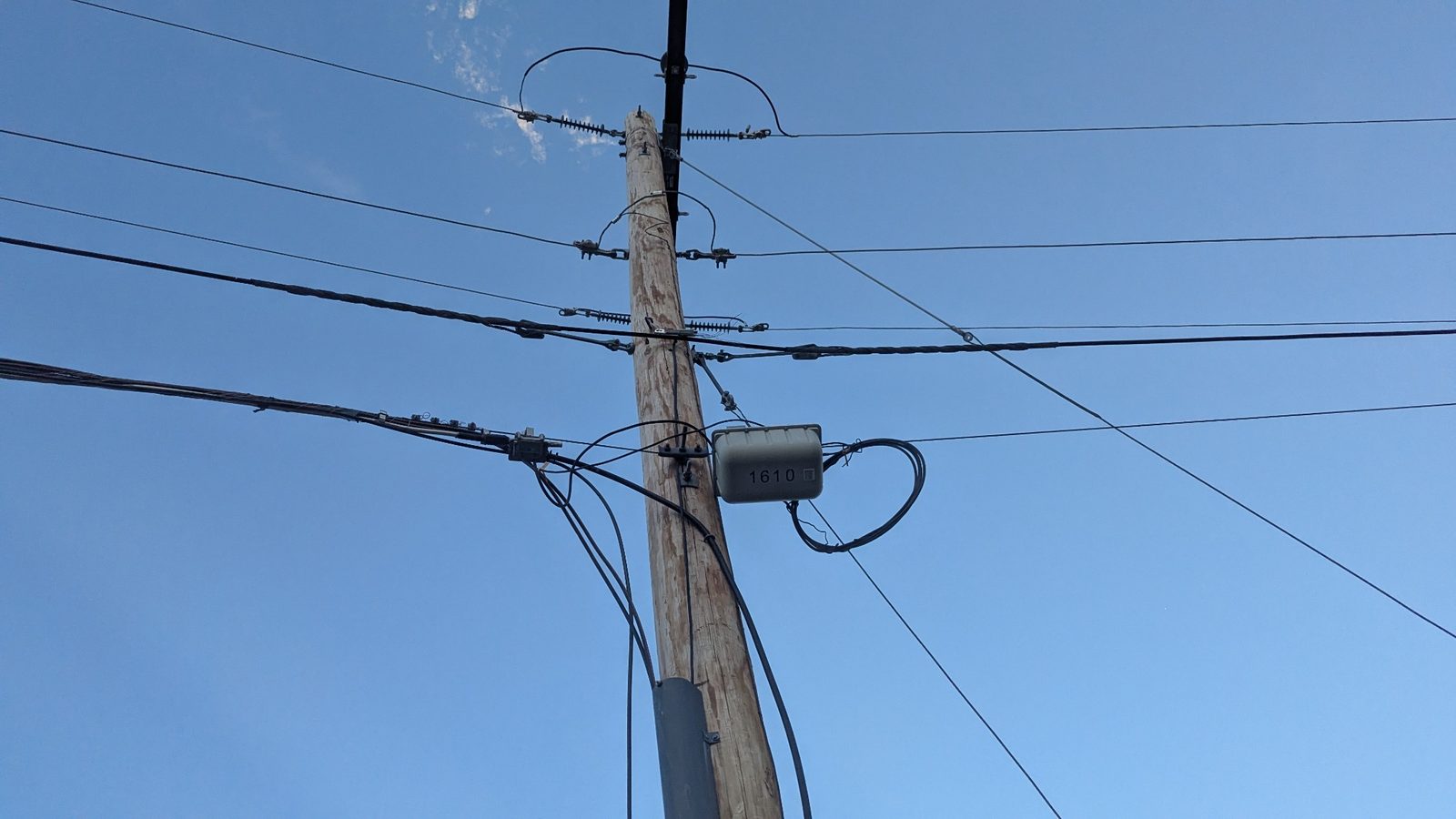
There’s something wonderful about seeing the physical stuff that keeps a neighborhood working. The internet has an outside. So does your kitchen faucet. I love that.
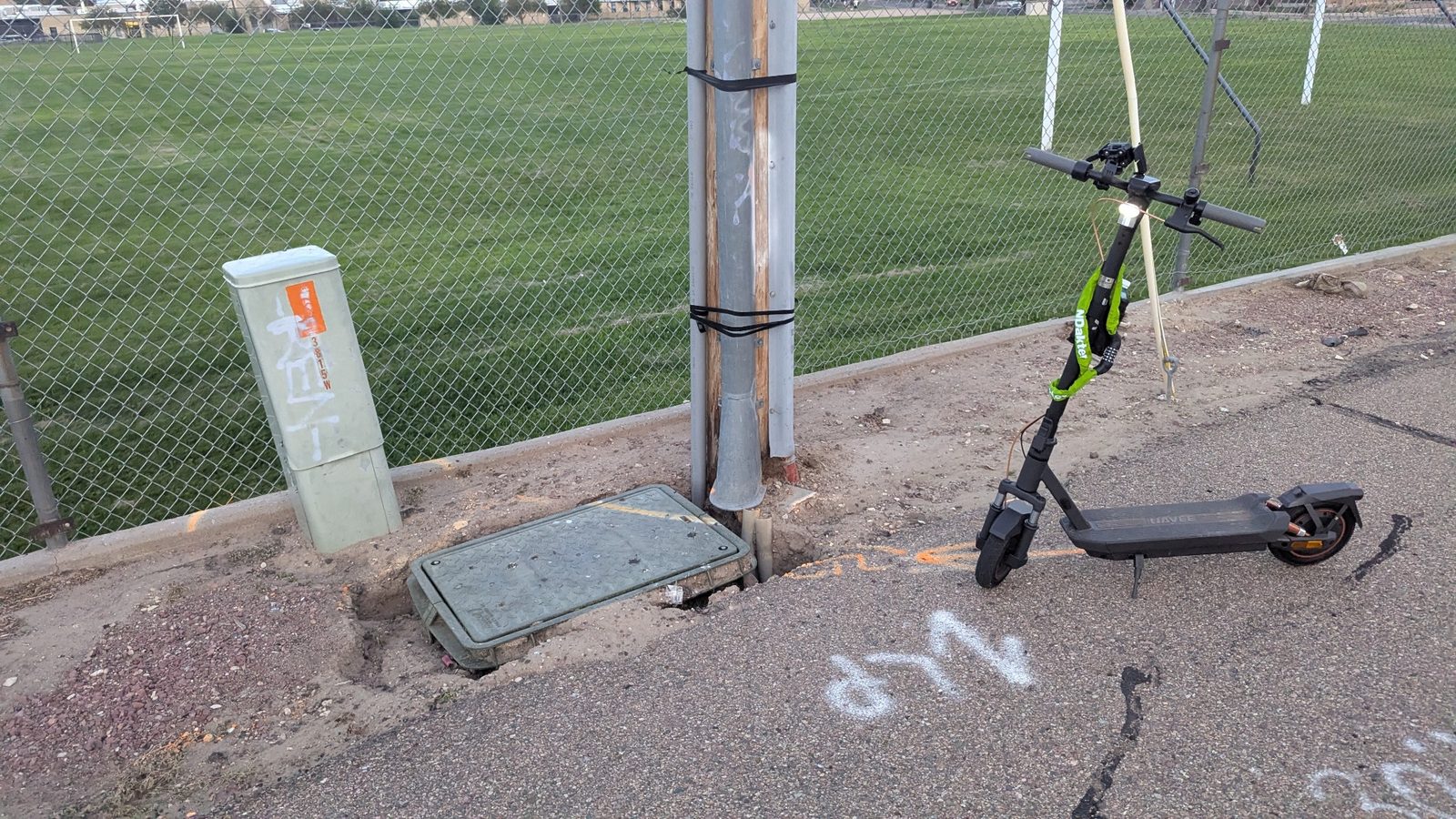
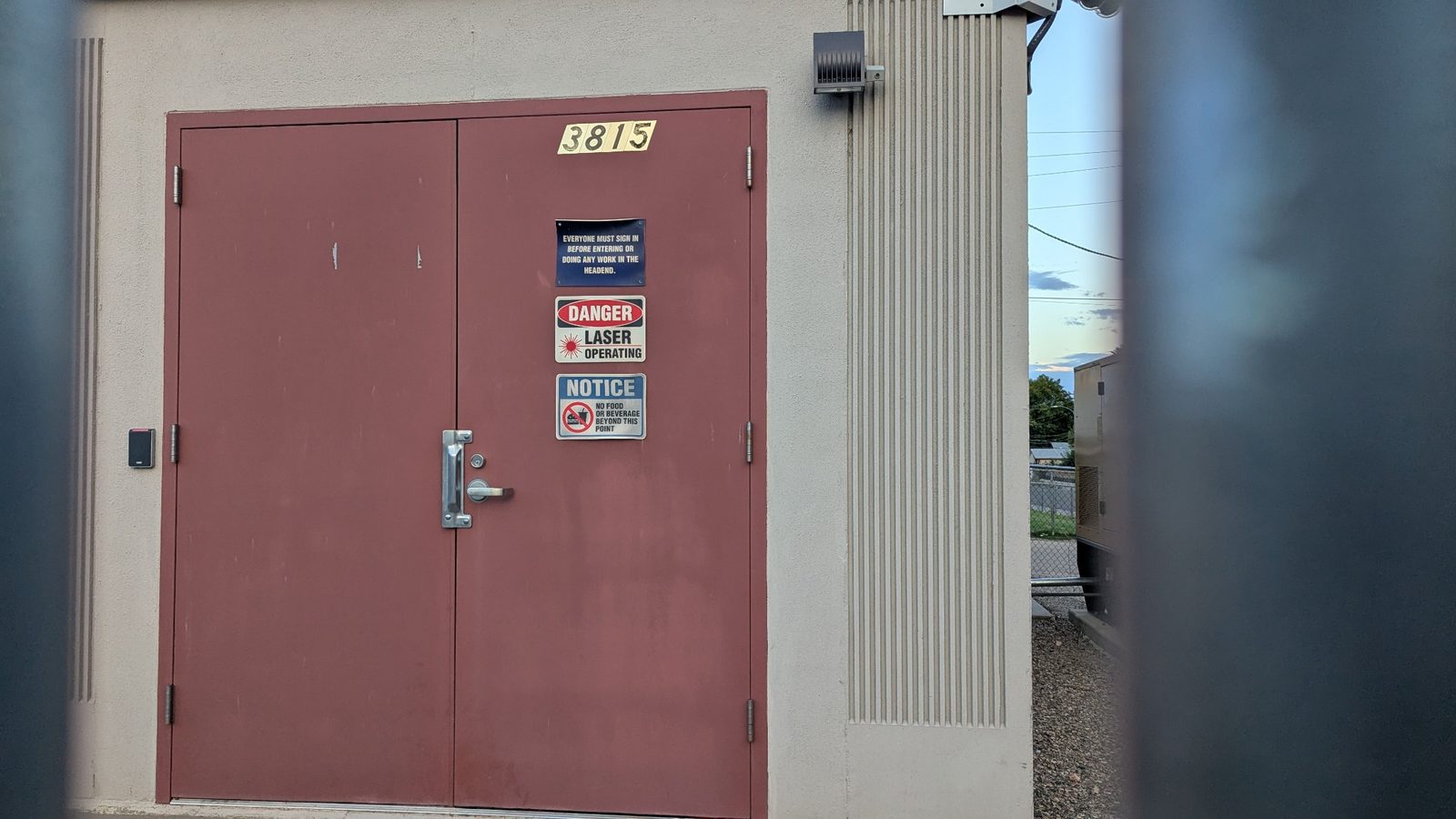
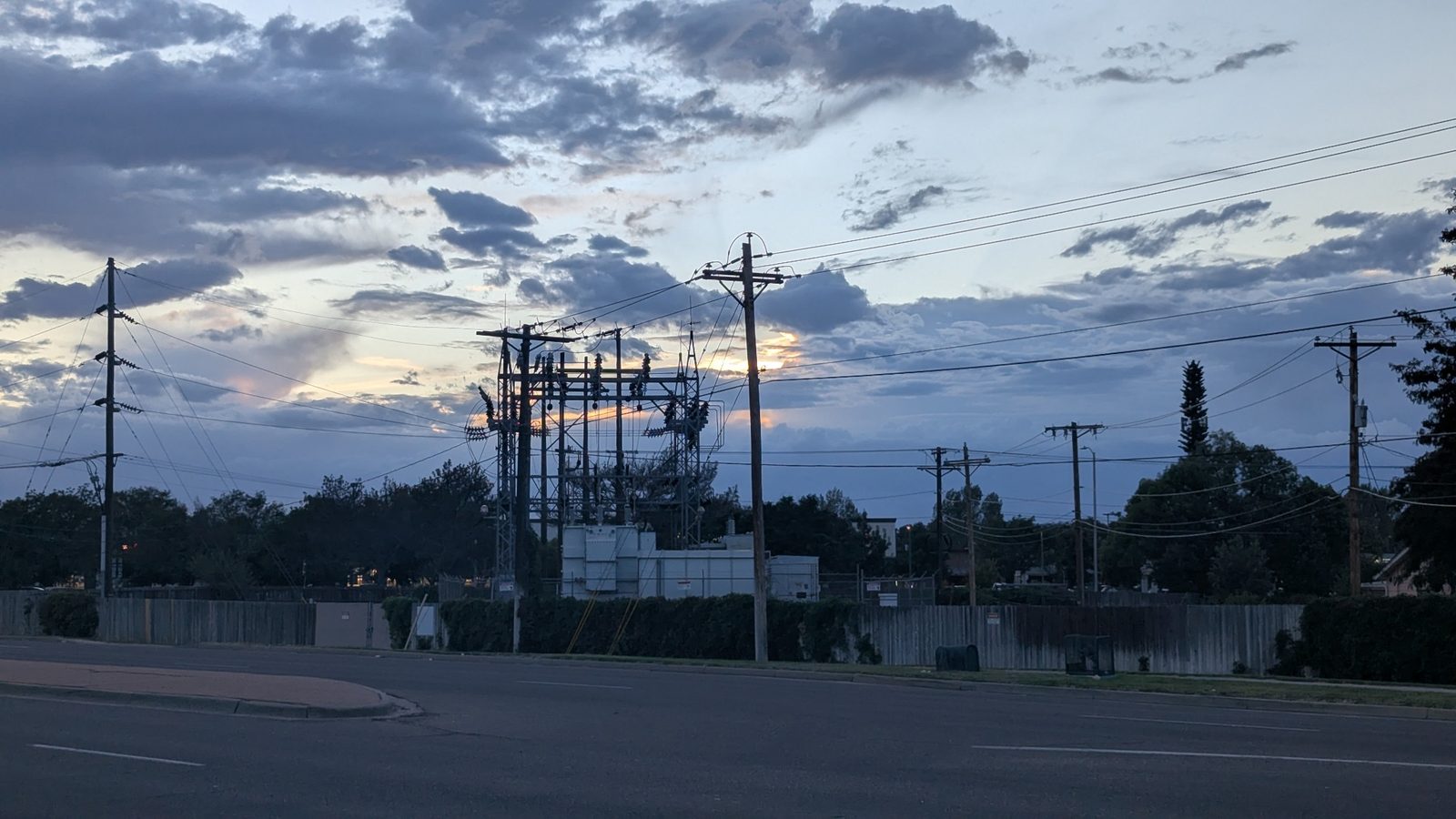
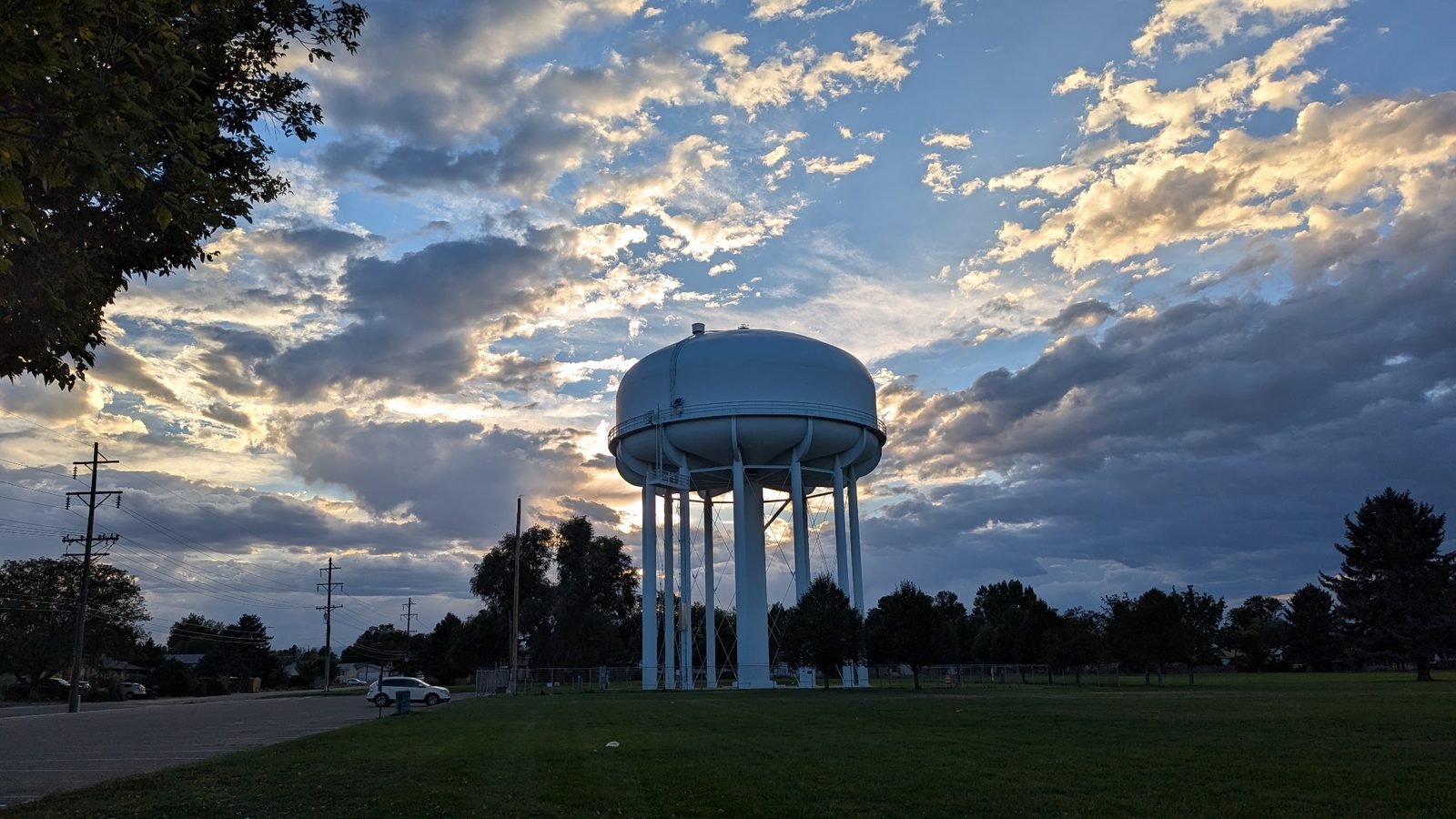
The boxes are not one mysterious machine. They are layers: power, switching, splices, valves, meters, backhaul, and access points. A telecom cabinet protects connections and electronics from weather and curious 90s kids who became curious adults. A water tower stores water high enough that gravity supplies steady pressure. A substation changes voltage and routes electricity toward the streets that need it.
 fiber ──> cabinet ──> neighborhood ──> house
 pump  ──> tower   ──> pressure     ──> faucet
 grid  ──> substation ──> feeder    ──> outlet
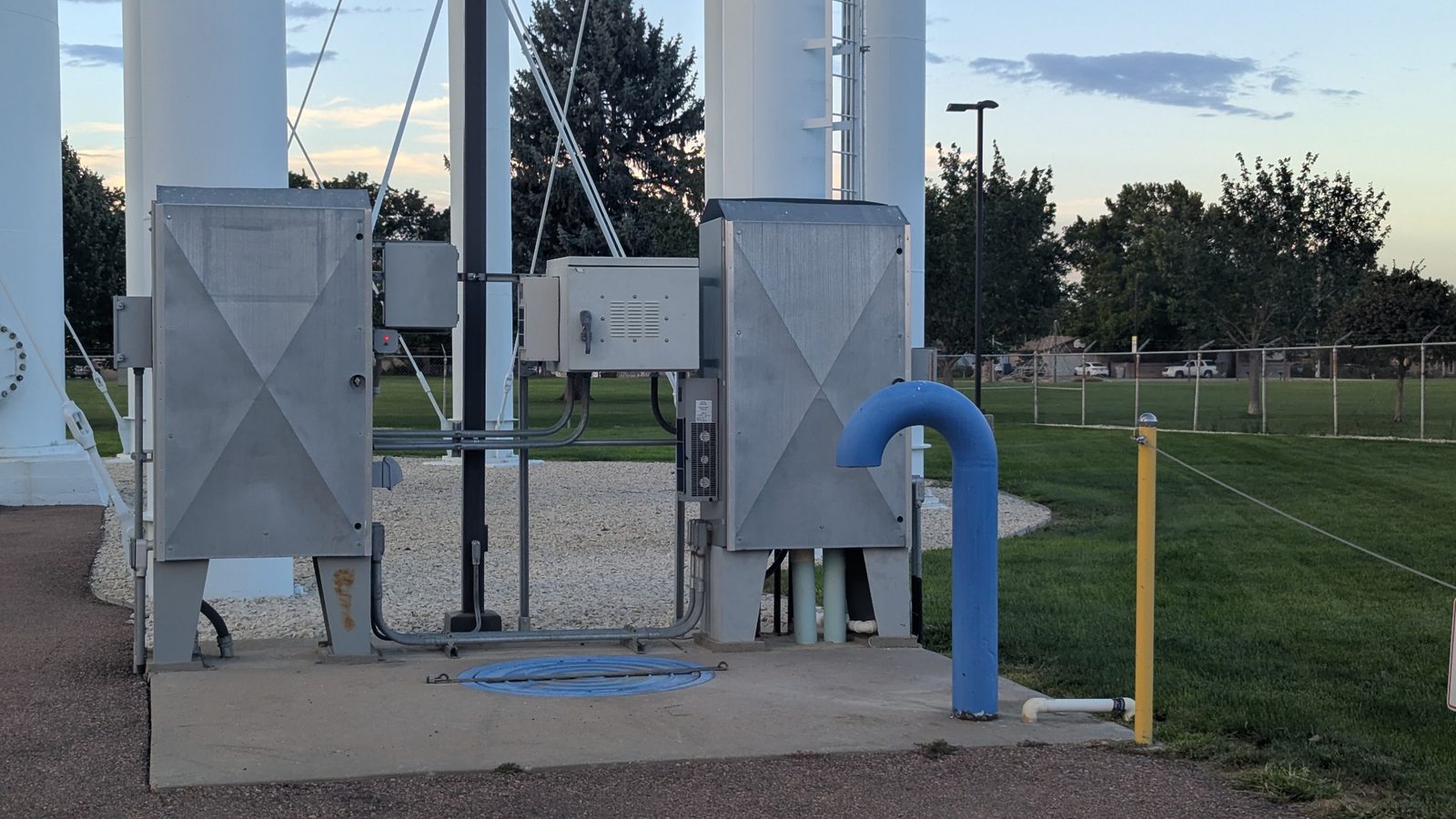
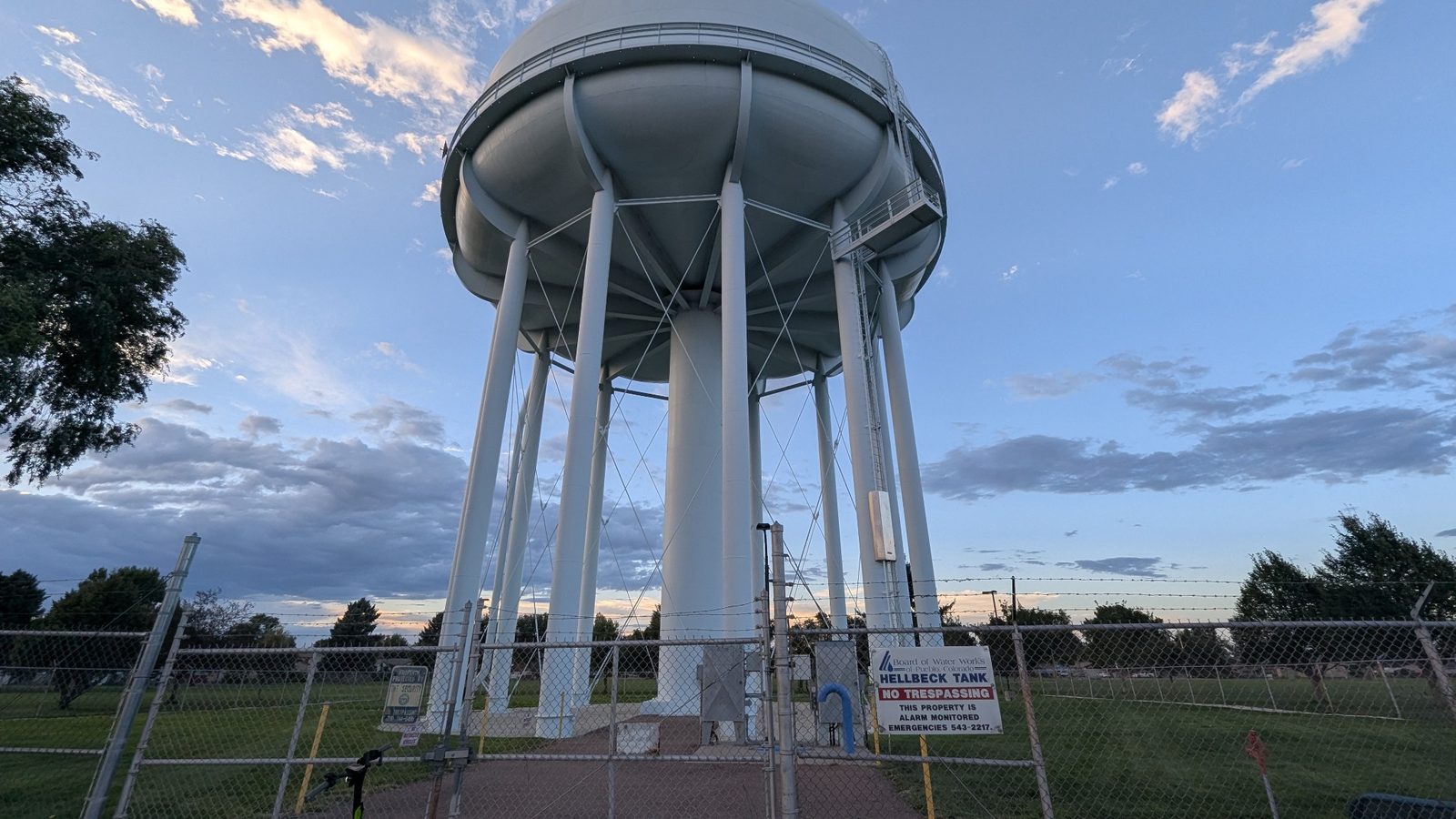
My enthusiasm does have terms and conditions, though.
Water tower? Fuck yes. Telecom equipment? I’m stopping. A roadside surveillance camera? Different reaction.
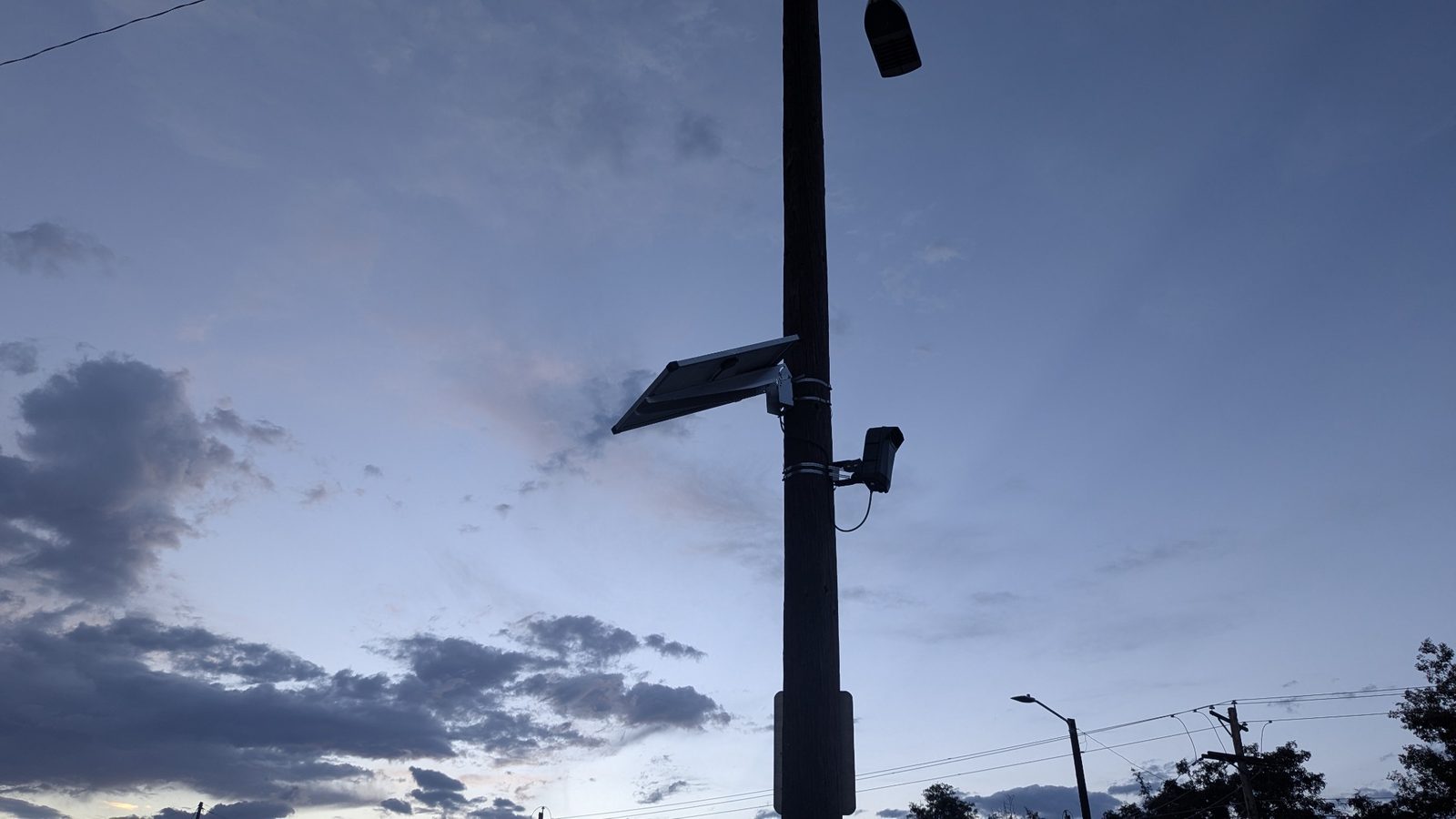
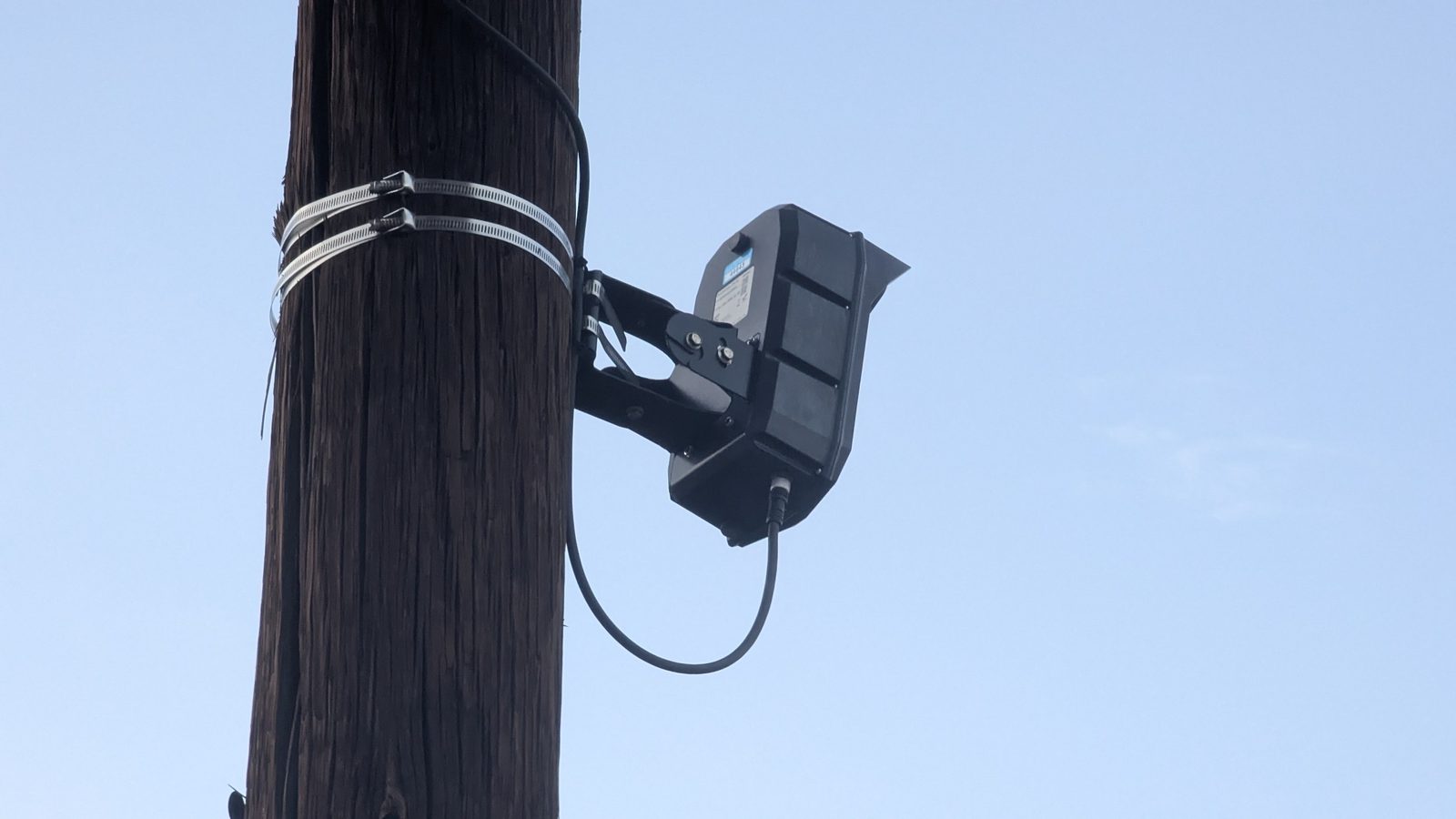
I can appreciate engineering and still dislike what somebody chooses to do with it. Loving technology doesn’t mean signing a blank check for surveillance. The camera is infrastructure too; that makes the questions about who operates it, what it records, and how the data is used more important, not less.
The modern descendant of those mysterious gray phone boxes is still a mysterious gray box—now with fiber, remote monitoring, and a web dashboard. Understanding more of it has not cured the urge to stop. It has only improved the questions.
As a kid, I wondered what all this stuff did. Now I understand more of it, and somehow that makes me want to stop and look even longer.