The Palm Pilot Paradox
The ritual began at dusk, usually after dinner when the TV was still humming but no one was watching. I would sit cross-legged on the living room rug, the plastic clamshell device resting on my knees like a tiny, serious turtle. Its screen glowed with that distinct, ghostly green hue that seemed to say, “I am working hard for your benefit.” The goal was simple: enter the phone number of our neighbor’s pizza place before Mom needed it for dinner order.
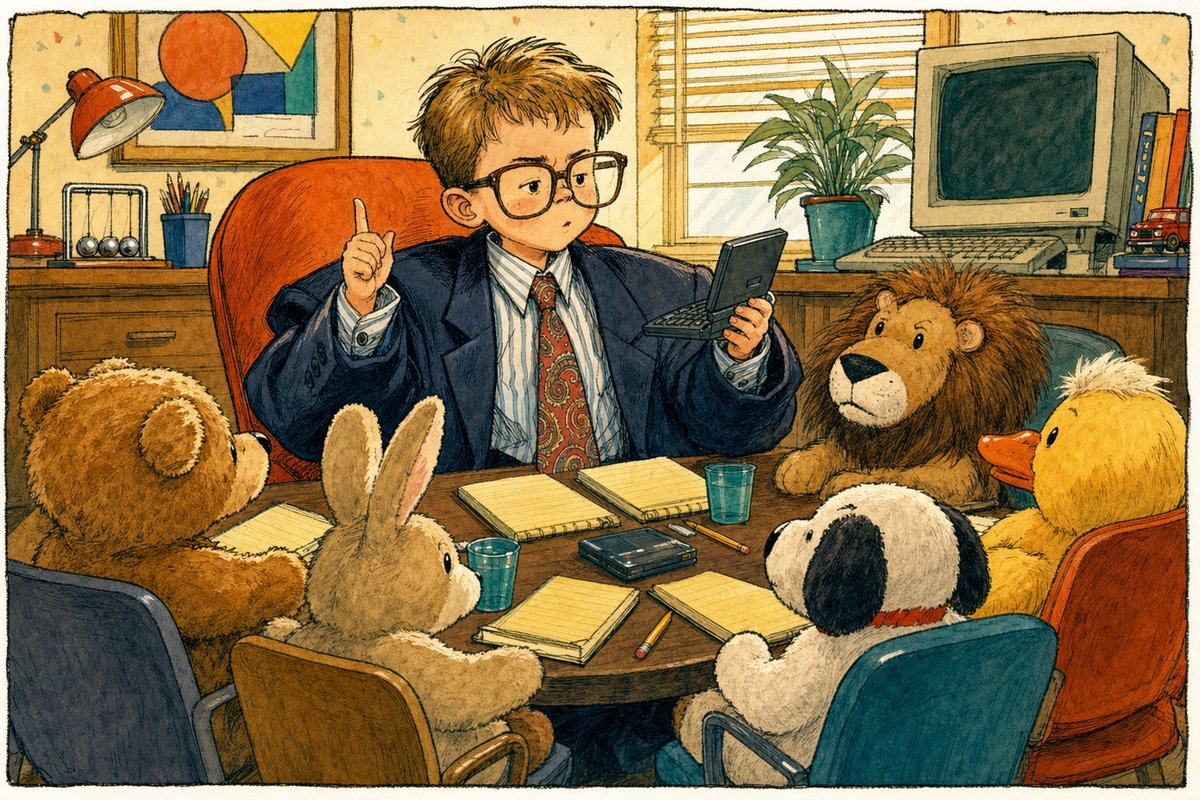
One-panel evidence: it knew six phone numbers, three appointments, and the password you immediately forgot.
First, I pressed the power button until the screen flickered awake. Then, I navigated to the contacts section using a four-way directional pad that felt slightly mushy under my thumb. I selected “Pizza Hut” and held down the entry key to overwrite the old number. The screen dimmed slightly as it wrote to memory, a subtle cue that time was passing. If I pressed too hard, the plastic casing would creak ominously. Finally, I powered it off, satisfied that this critical piece of information was now safe from accidental erasure by my younger brother’s elbow.
Here is what we thought:
- Wake up the device with a firm press.
- Navigate menus using the directional pad until you find “Contacts.”
- Hold the entry key to overwrite existing data.
- Watch the screen dim as it saves your work.
- Power down and trust that the number is safe.
We treated these plastic bricks like digital vaults. We believed they held our entire lives in a state of permanent, unchangeable perfection. If the battery died, we assumed the data floated somewhere in the ether until we swapped in new cells. We carried them everywhere, checking them with a nervous tic, ensuring that three appointments and six phone numbers were perfectly aligned with reality. It was a small burden to carry, but it felt heavy with responsibility.
The device was essentially a low-power LCD organizer that stored contacts, calendars, memos, calculators, and alarms in small battery-backed memory. It didn’t connect to the internet or sync wirelessly; it existed in its own quiet universe. The screen used minimal energy to maintain an image, which is why we could leave it on for hours without draining the battery. When you typed a name or date, it was written directly into that tiny, persistent memory chip. It wasn’t smart by today’s standards - it couldn’t even spell-check - but it was reliable enough to tell us when our piano lesson started and what number to call for pepperoni.
  .----------------.
  | PHONE  CALENDAR|
  | MEMO   ALARM   |
  |  12:00  BEEP   |
  | [A][B][C][D]   |
  '----------------'
       tiny office
The tragedy of the electronic organizer is that we outsourced the very information that made us feel organized. The little clamshell held our contacts, memos, and appointments; we held the confidence.
It turns out we didn’t need six phone numbers; we needed to know which ones mattered. But back then, having them all in one plastic box was enough.