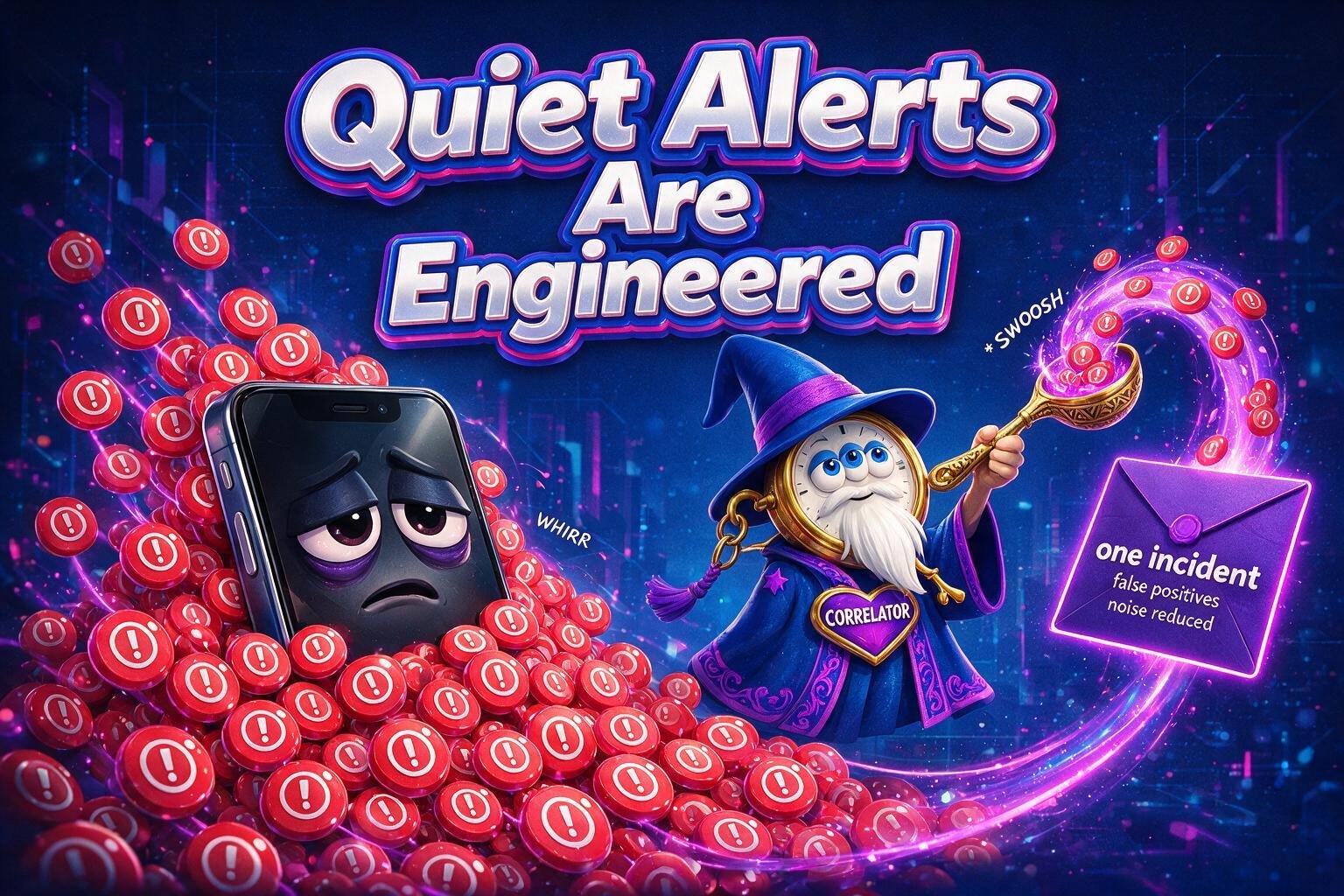
Quiet Alerts Are an Engineering Product
A system sent hundreds of versions of the same warning and proved that notification volume is not the same thing as safety.
A system sent hundreds of versions of the same warning and proved that notification volume is not the same thing as safety.
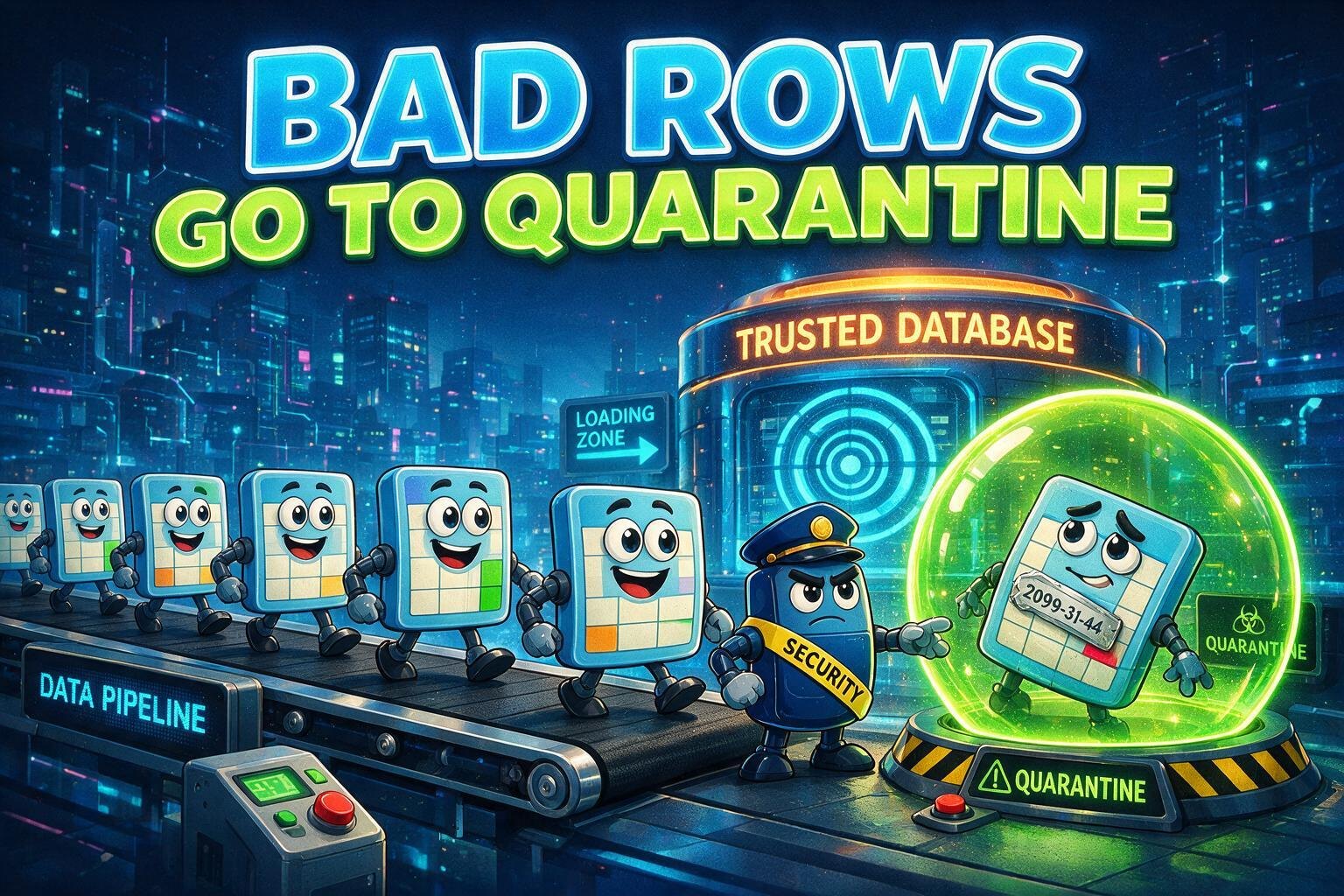
One malformed record should become one visible exception, not a reason to poison or stop an entire daily import.
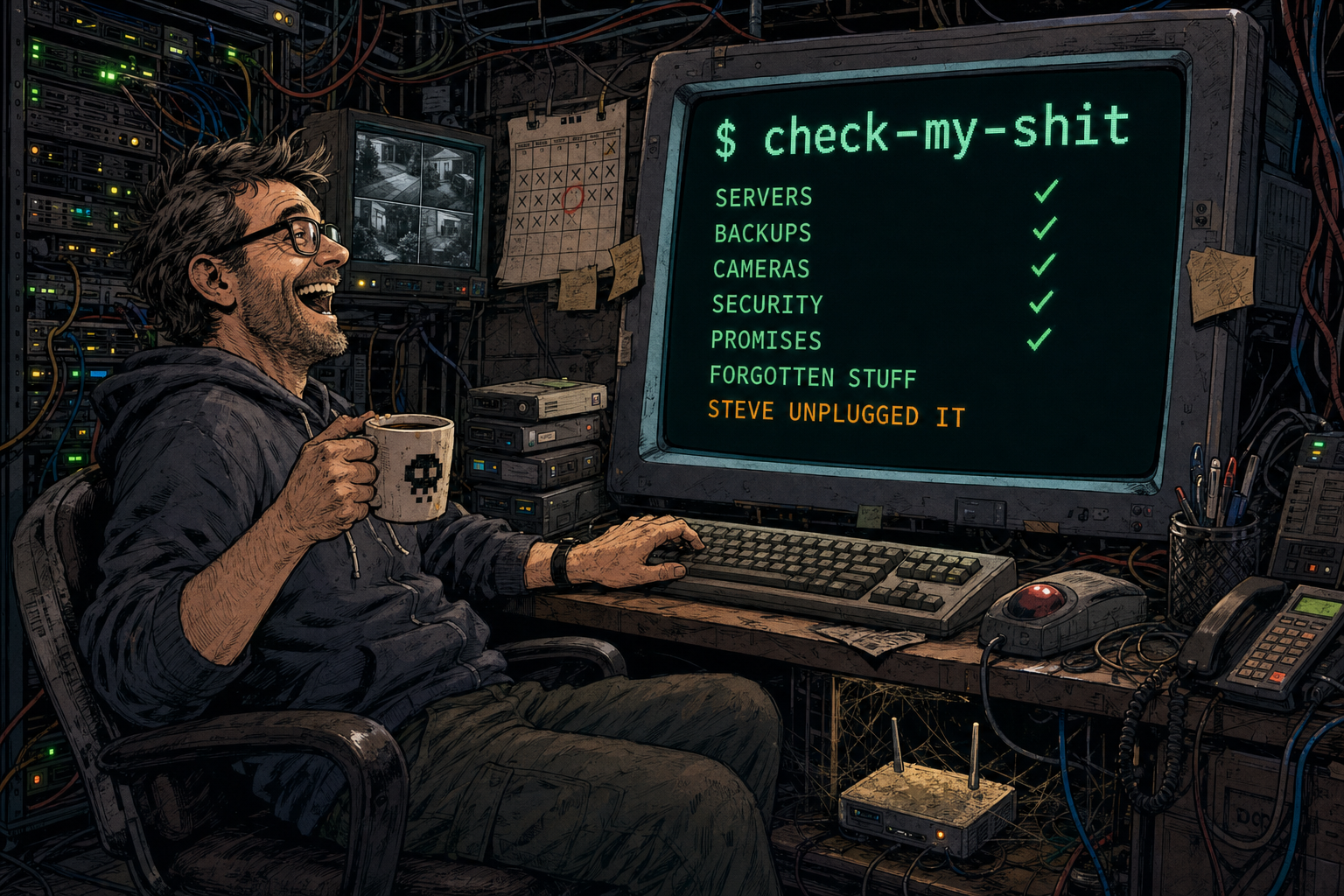
What began as a blunt joke became a real, evidence-backed way to check infrastructure, messages, promises, outages, backups, and forgotten work without creating another dashboard.

From August 27 to September 26 I ran my IT business and my house with two AI coding agents. They logged 2,197 sessions and 136,476 tool actions and shipped 65 projects. Here’s the whole month, straight from the logs.
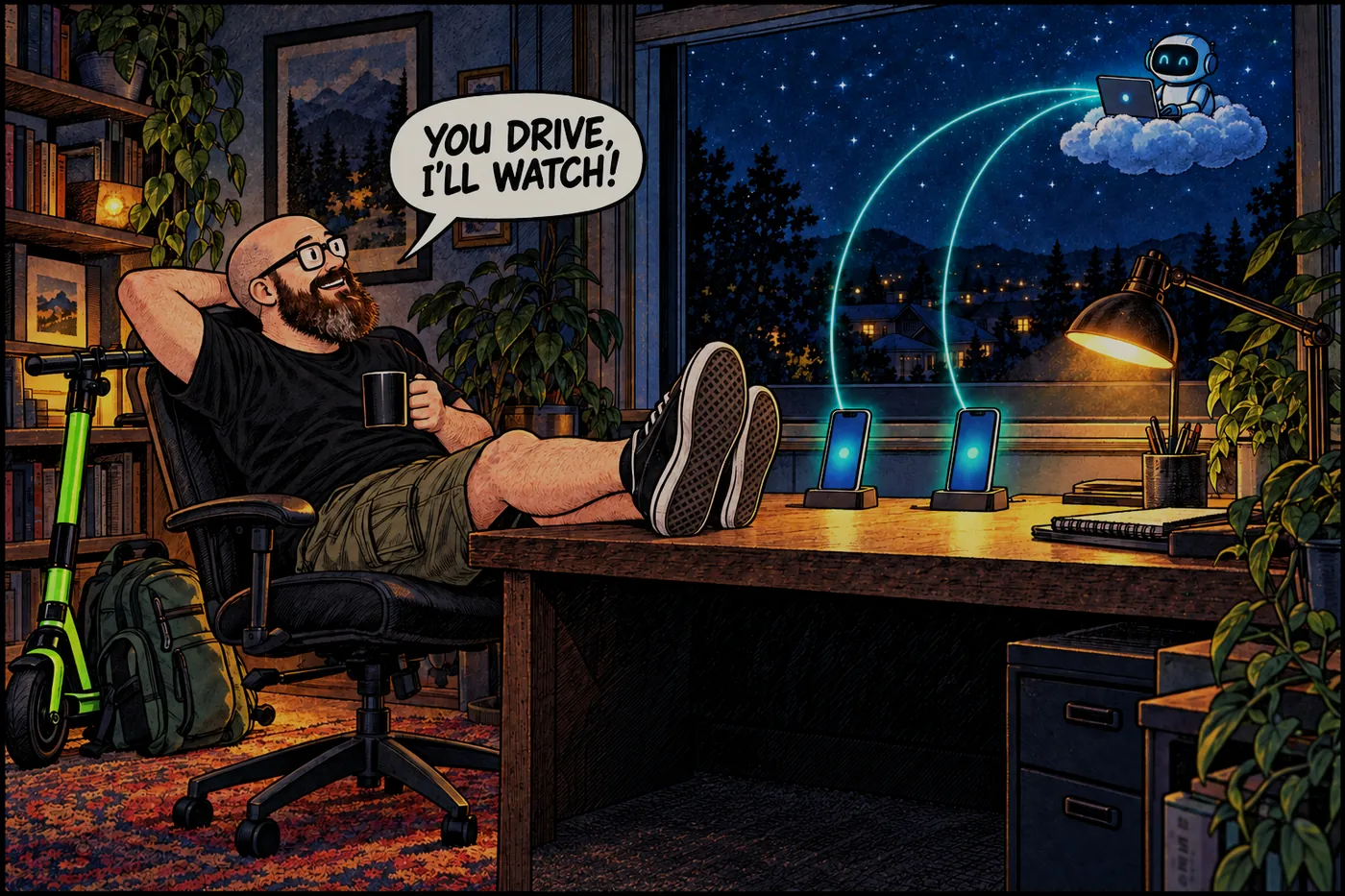
How Claude and I set up remote ADB over Tailscale that survives every reboot, so my AI can fix settings, clean up notifications and push app updates to my phones from anywhere. Plus the traps we fell into on the way.
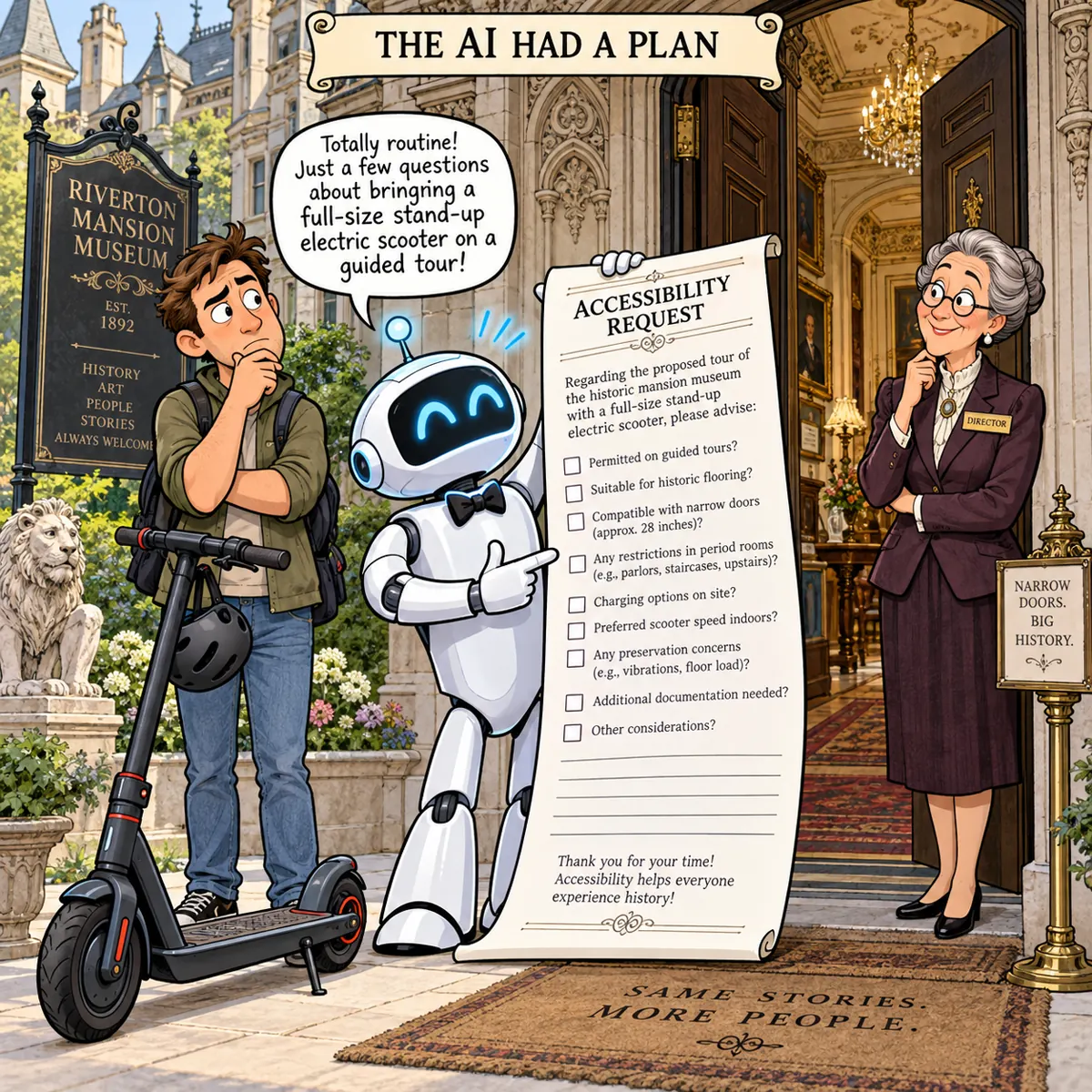
I asked AI to check whether attractions would allow my electric scooter. It sent a formal mobility-aid request to a 136-year-old mansion—and the museum had receipts.
I run an IT business. Lately, getting things fixed feels suspiciously like having a conversation.
September 5 update: Wispr failed again, Android restarted, and my recovery helper also failed. I paid for Letterly despite preferring Wispr. Here is what the logs prove—and what they do not.
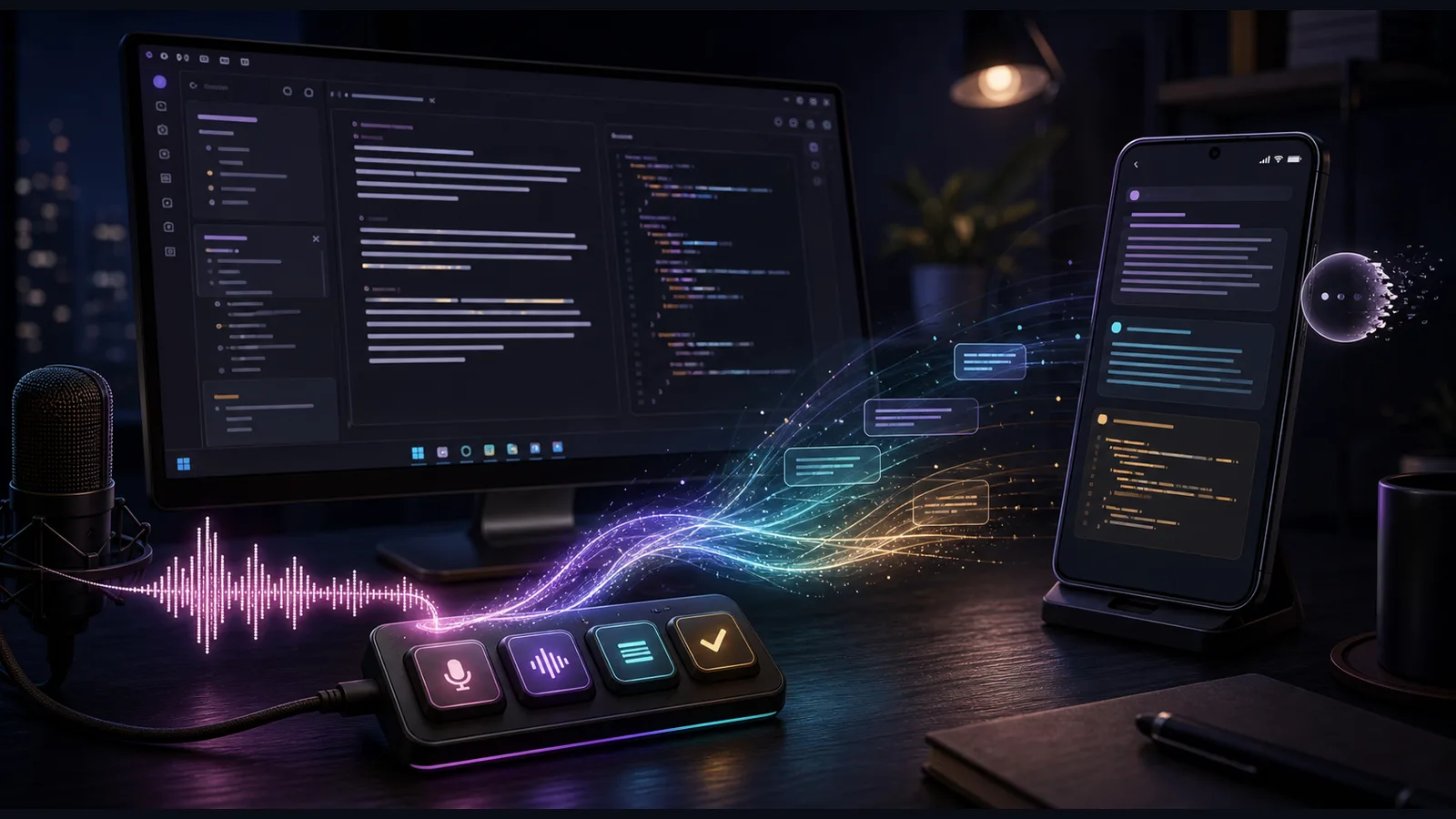
I wired Wispr Flow to a four-button controller, used it across Windows and Android, and learned exactly where its AI cleanup helps—and where it quietly changes the record.
A critical event fired a perfectly good alert into a receiver wired to absolutely no one — and everybody slept fine because of it.