Grand Canyon Source Archive and Bibliography
Every source behind the project, grouped by publisher and linked to the dossiers that cite it.
Every source behind the project, grouped by publisher and linked to the dossiers that cite it.
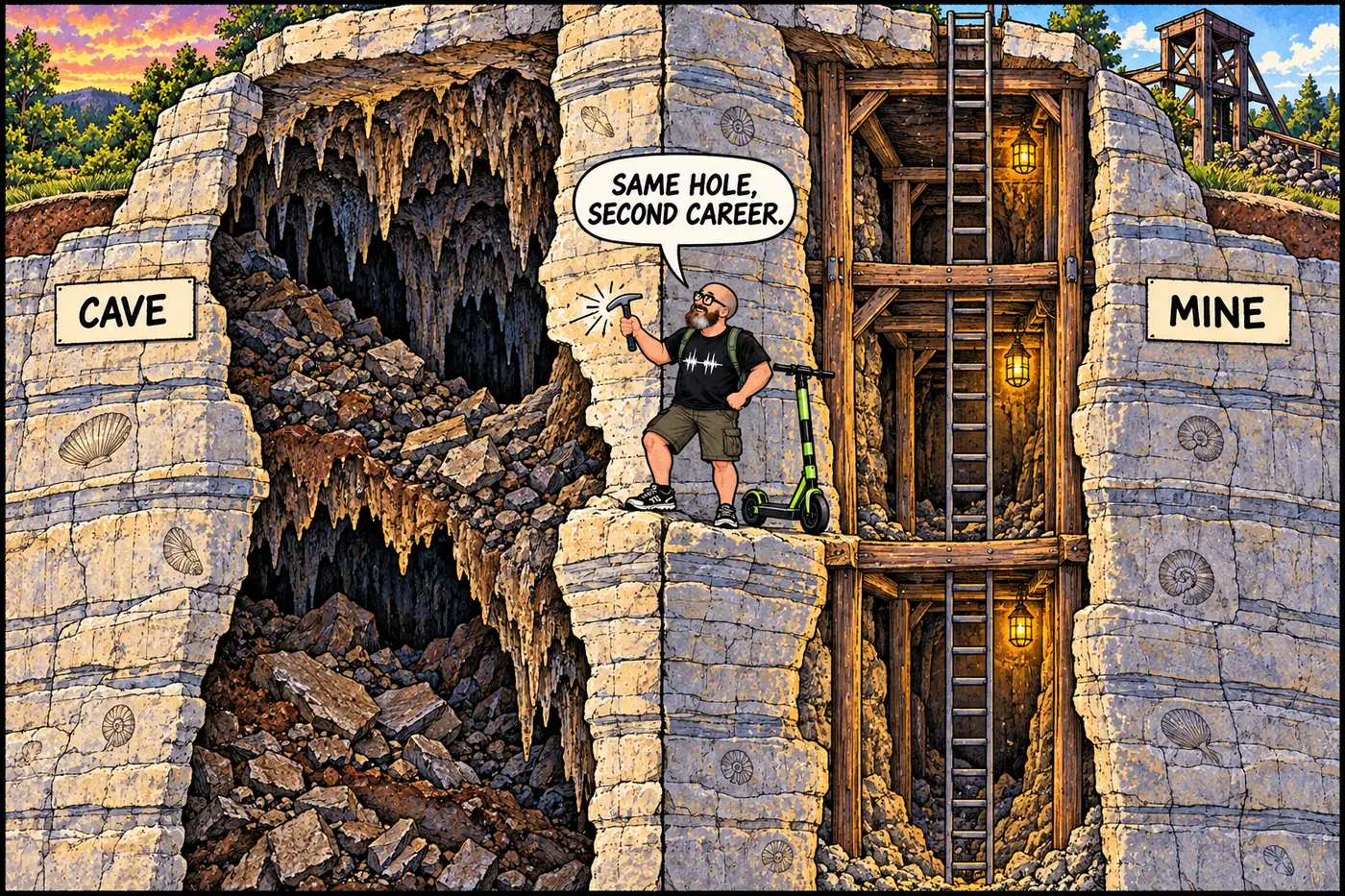
Karst geology links the park’s caves and its uranium mines directly: many ore-bearing breccia pipes are collapsed ancient caves, excavated twice over.
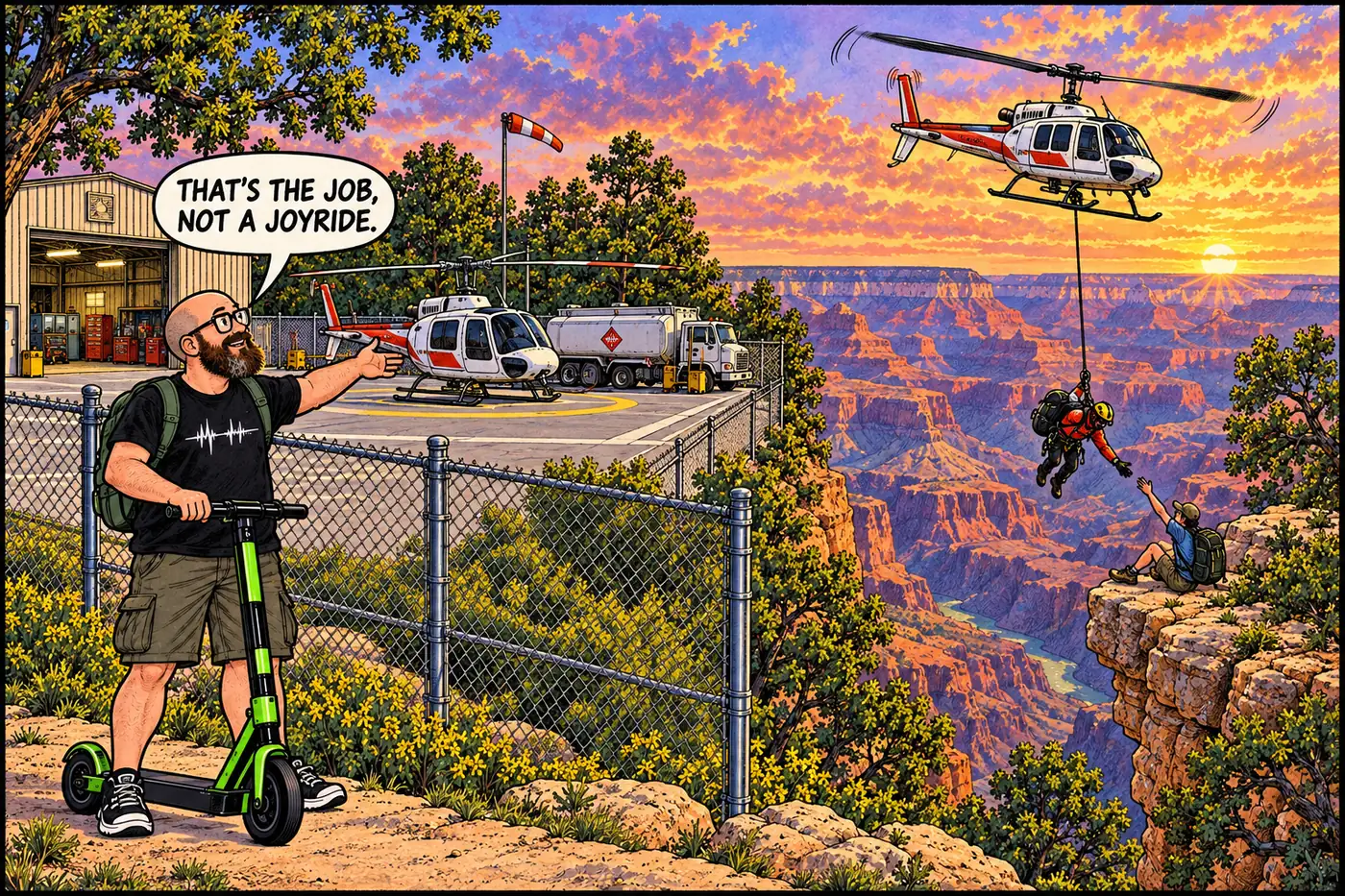
A fenced helibase runs one of the busiest non-military federal flight programs, training rescuers who dangle from a rope to reach places helicopters can’t land.
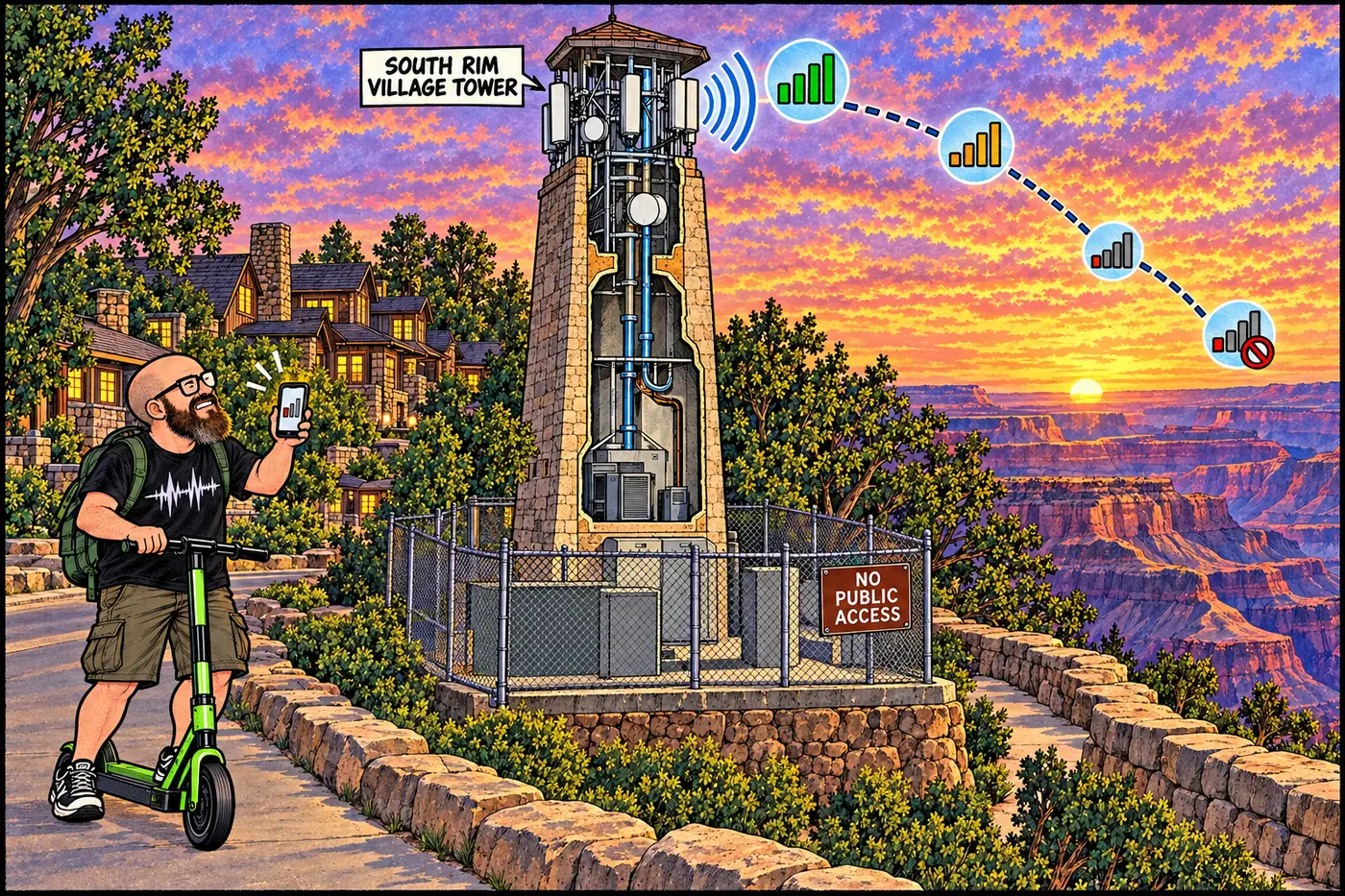
Grand Canyon offered cellular service from just one carrier over a shared 850 Mbps pipe. A 2020 federal plan approved up to five new towers, built permit by permit.
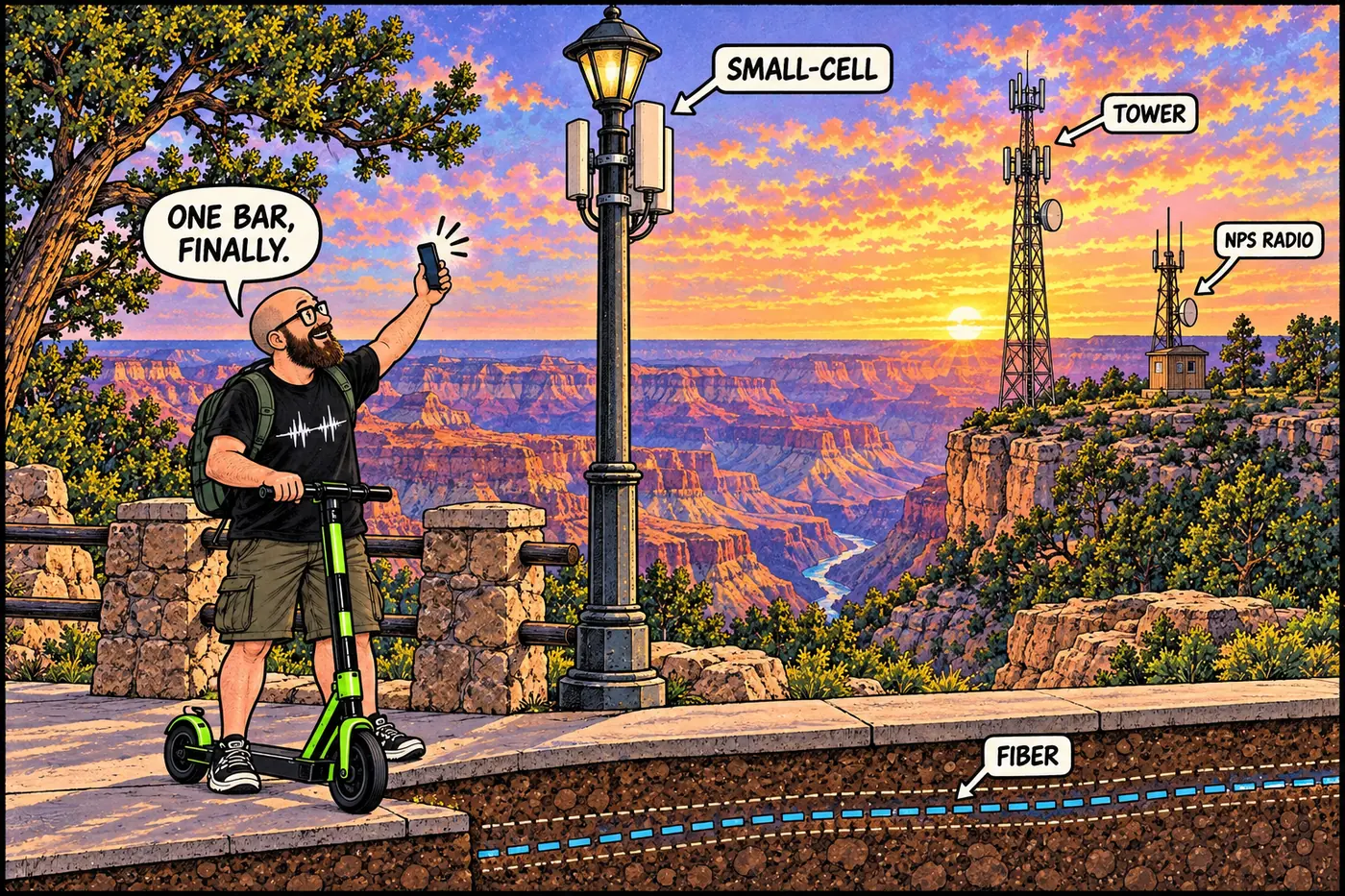
NPS approved a framework for new towers, small-cell nodes, and fiber cable in 2020. Five years later, evidence any of it got built is thin.
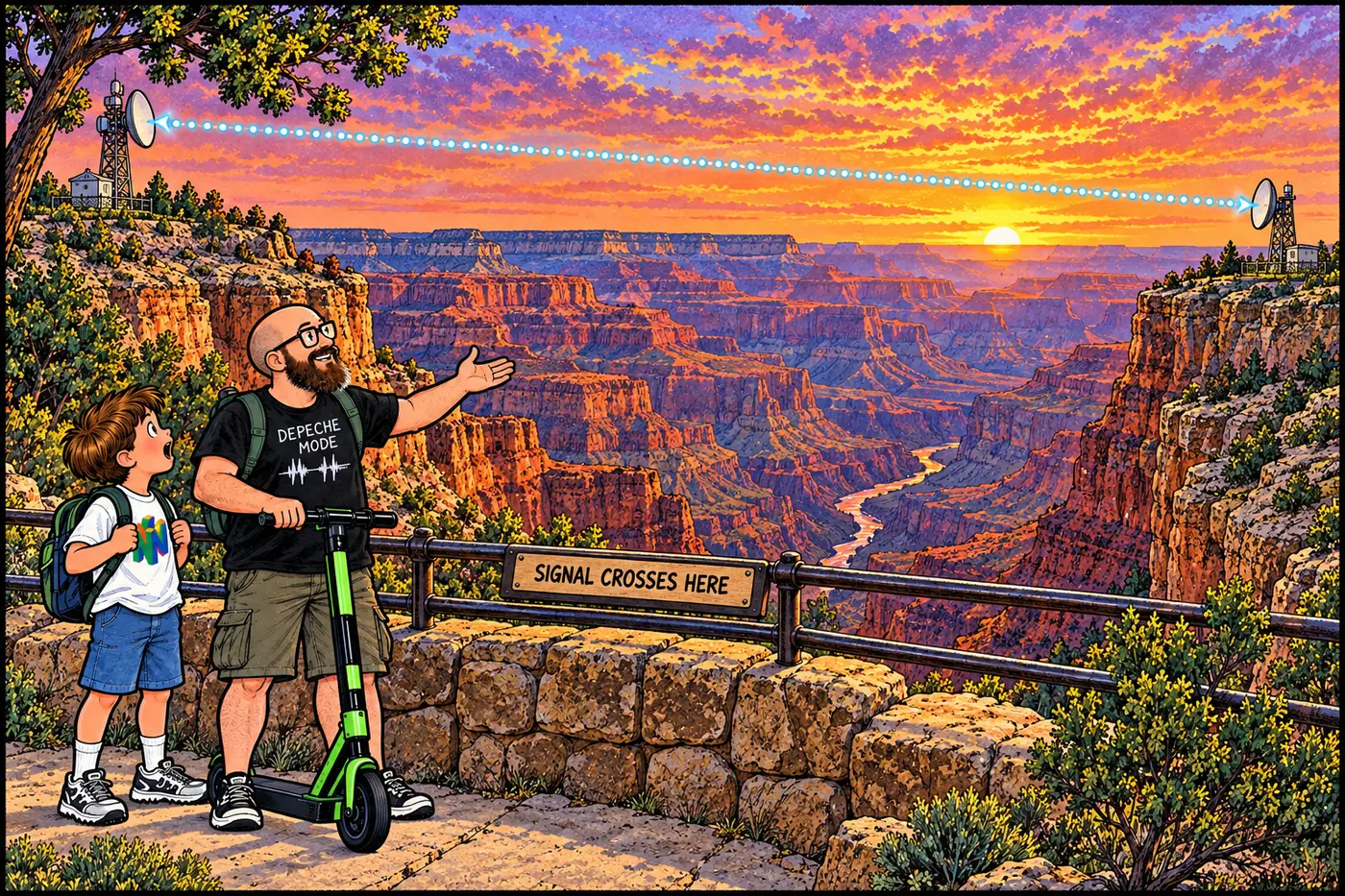
Grand Canyon’s towers reach the outside world via line-of-sight microwave links, including a dish at Phantom Ranch that has quietly carried phone calls from the canyon floor for years.
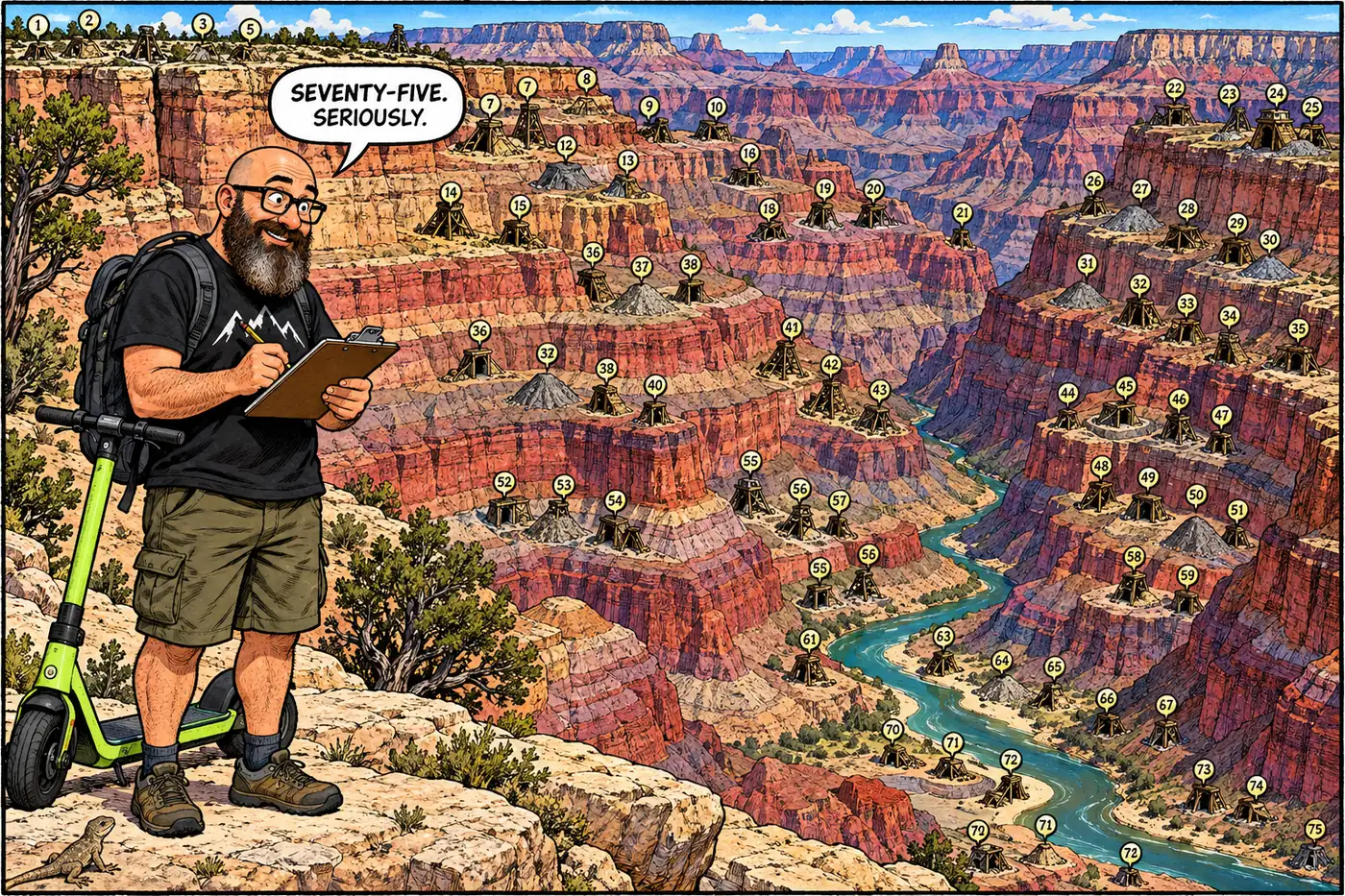
NPS has counted 75 abandoned mine features across 38 sites in the park, part of a 37,050-feature nationwide problem. Here’s the public accounting.
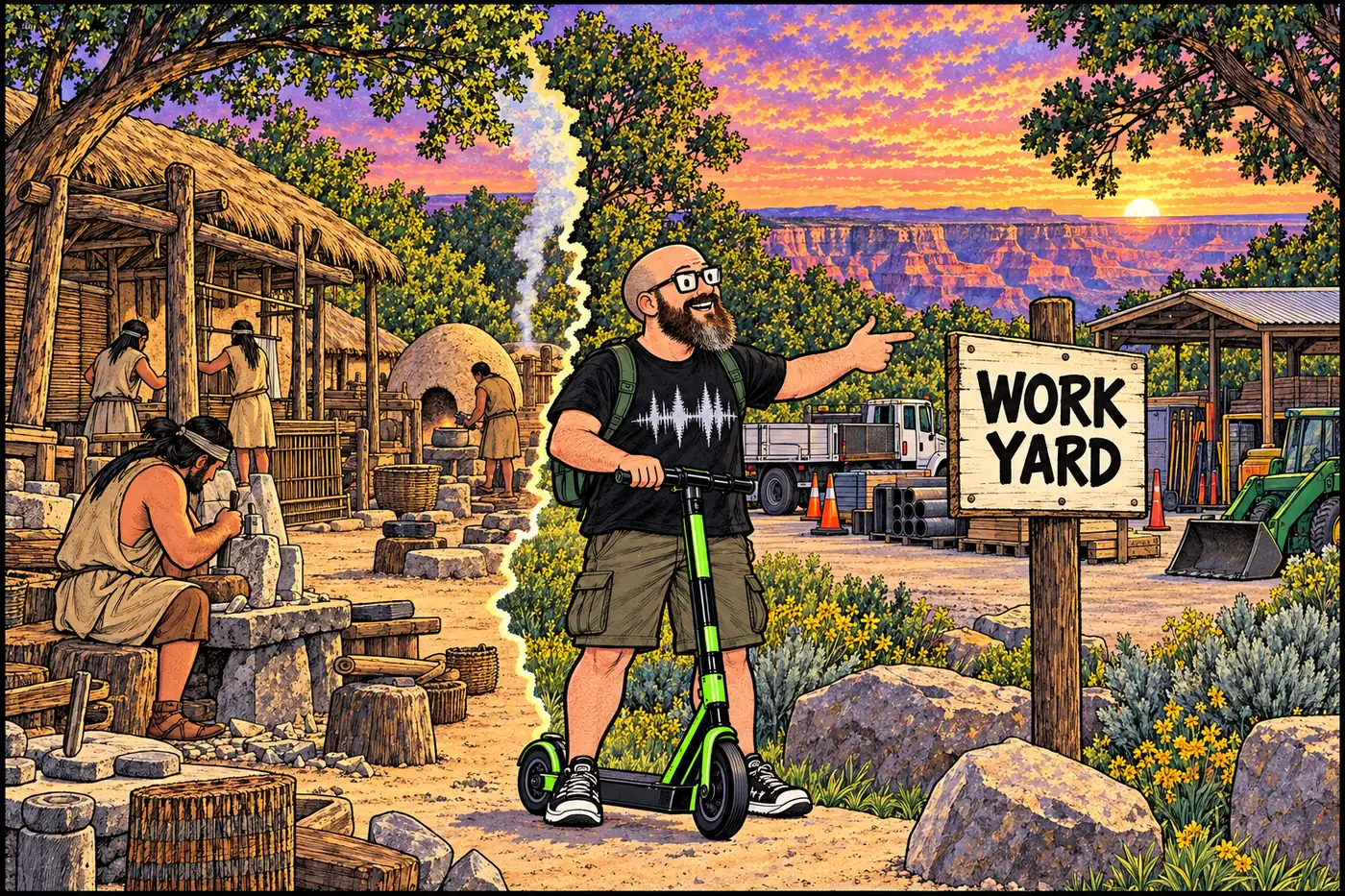
From village shops to the Mission 66 yard and a newer facilities complex: what park records show, what changed, and what remains closed to visitors.
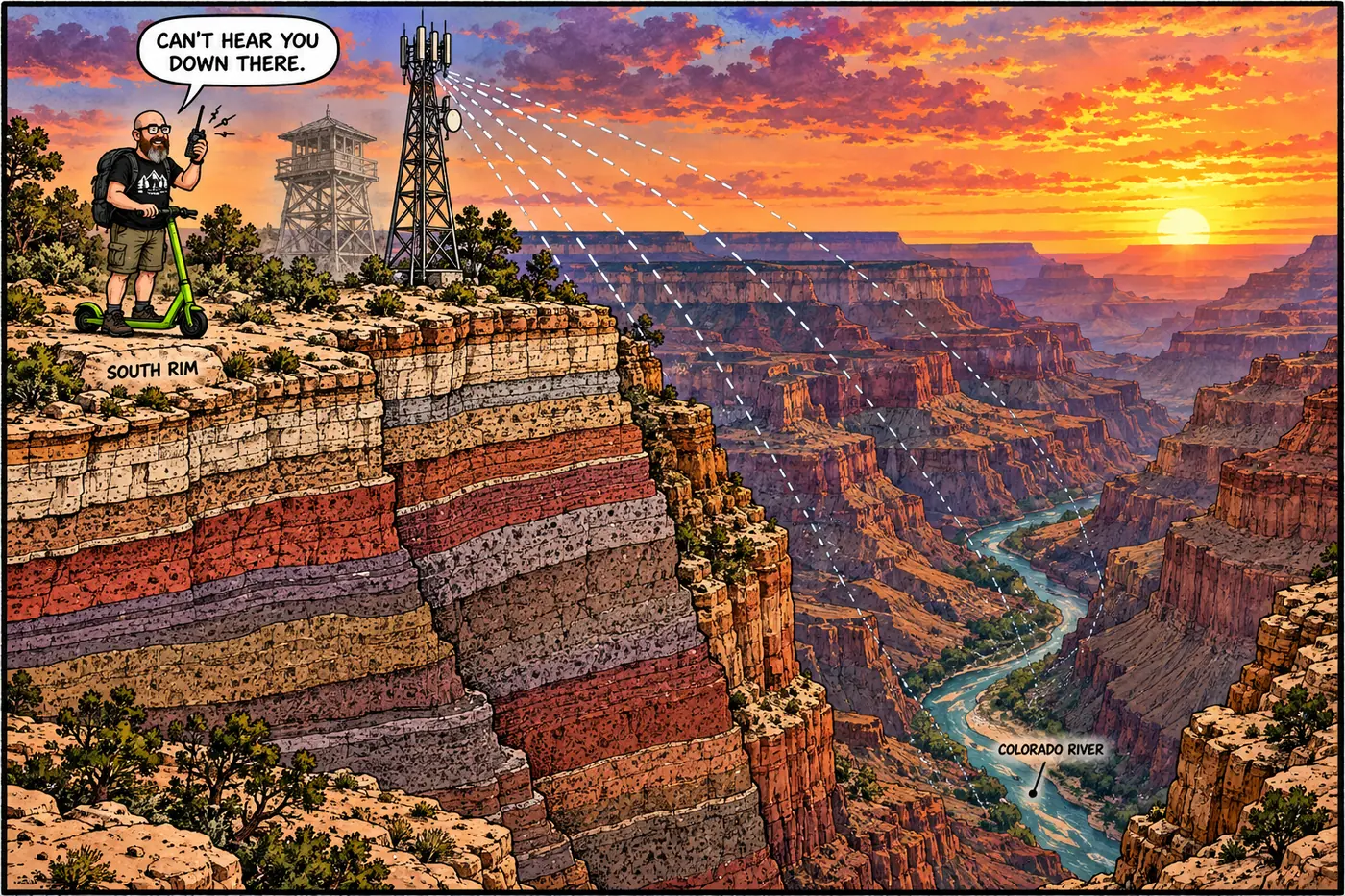
How Grand Canyon’s radio network grew from 1909 fire lookouts into a patchy digital system that still can’t cover the whole canyon.
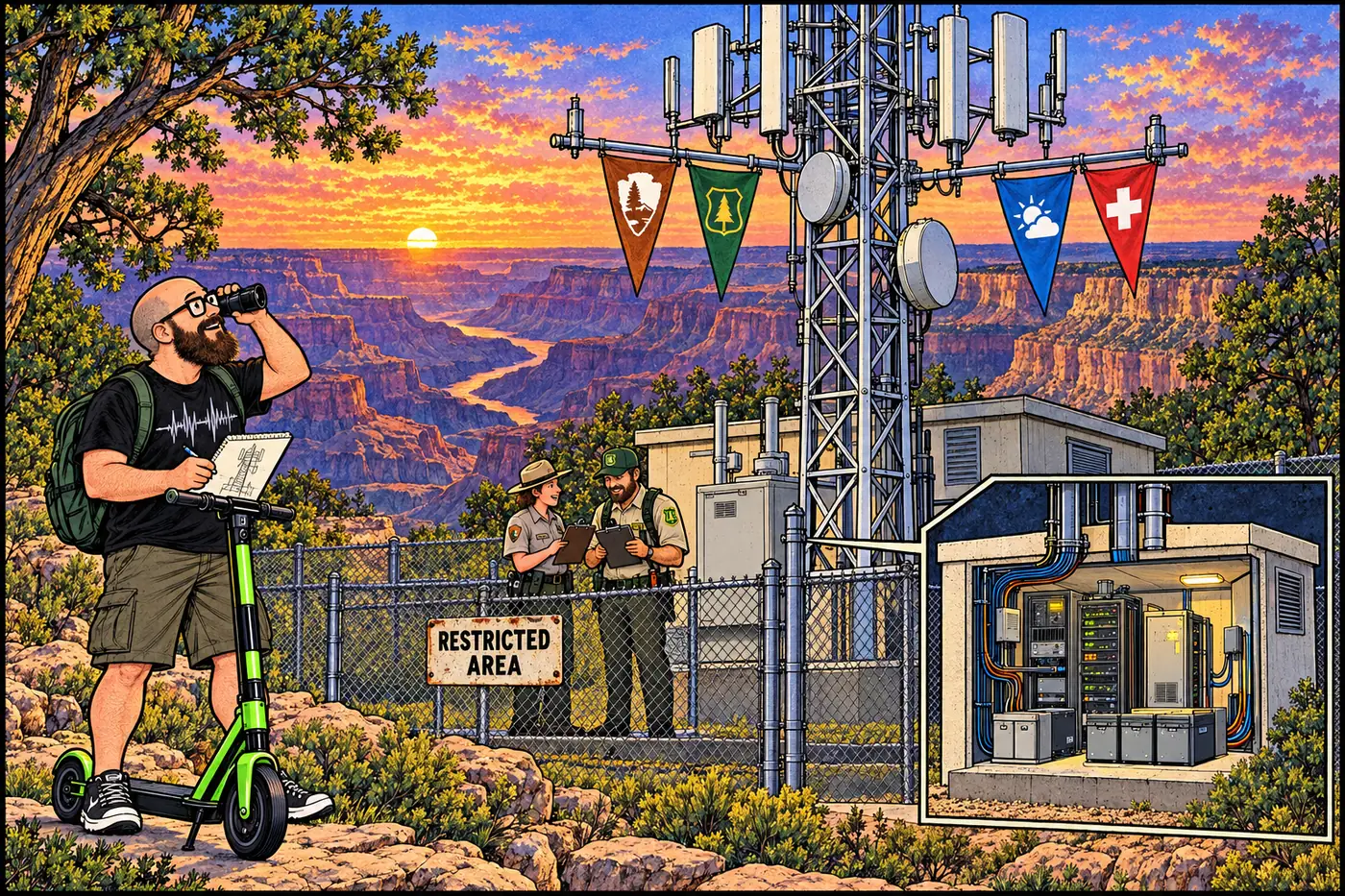
How Grand Canyon’s radio system shares towers, dispatch, and rescue response with the Forest Service, BLM, Arizona DPS, a sheriff, a tribal agency, and a neighboring park.