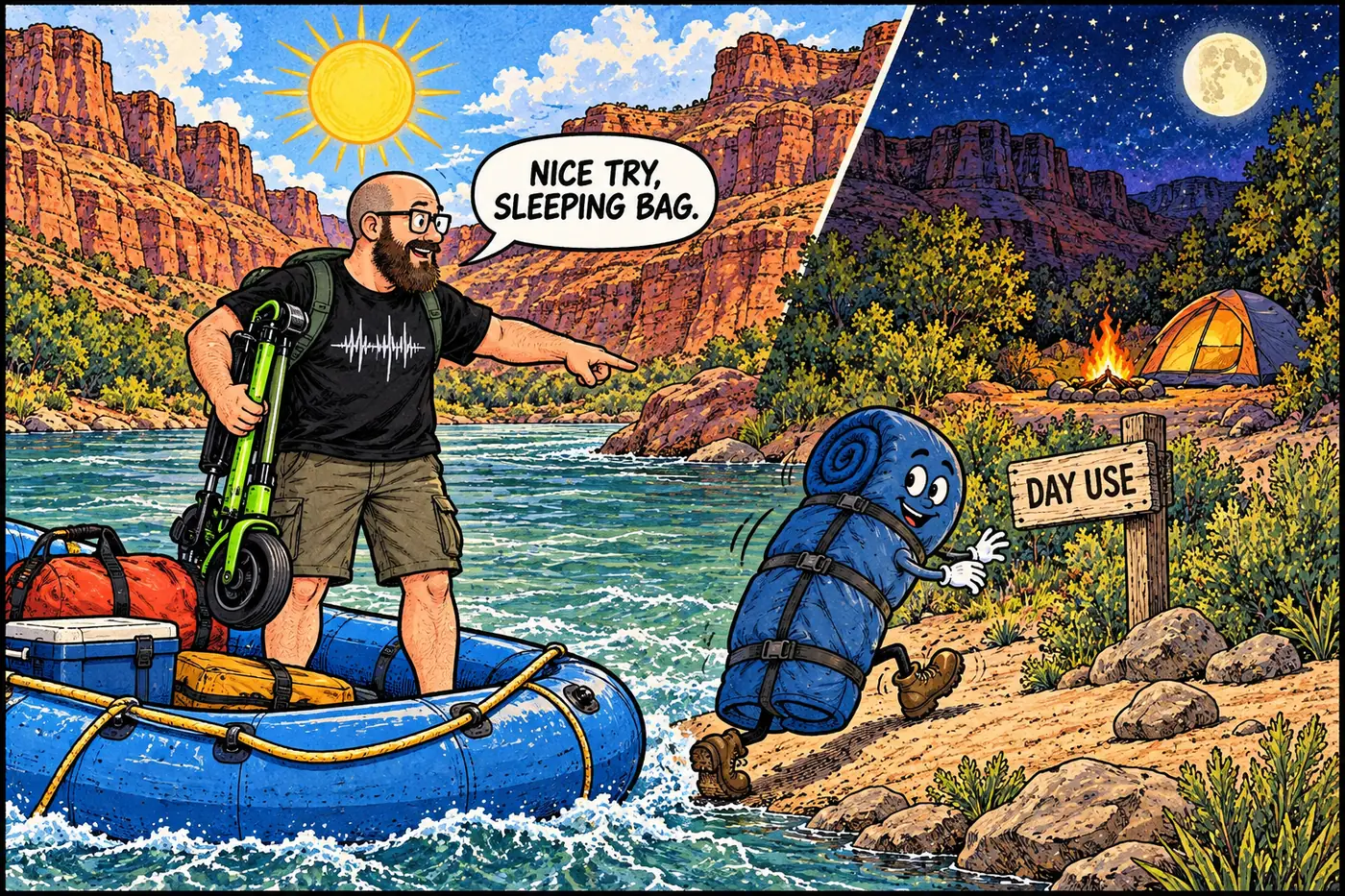
Matkatamiba Canyon: Day Use, Not Overnight Camp
Grand Canyon’s 2026 compendium bars camping at Matkatamiba but does not bar daytime visits. Two rulebook entries spell out the distinction; neither explains the original reason.
Grand Canyon’s 2026 compendium bars camping at Matkatamiba but does not bar daytime visits. Two rulebook entries spell out the distinction; neither explains the original reason.
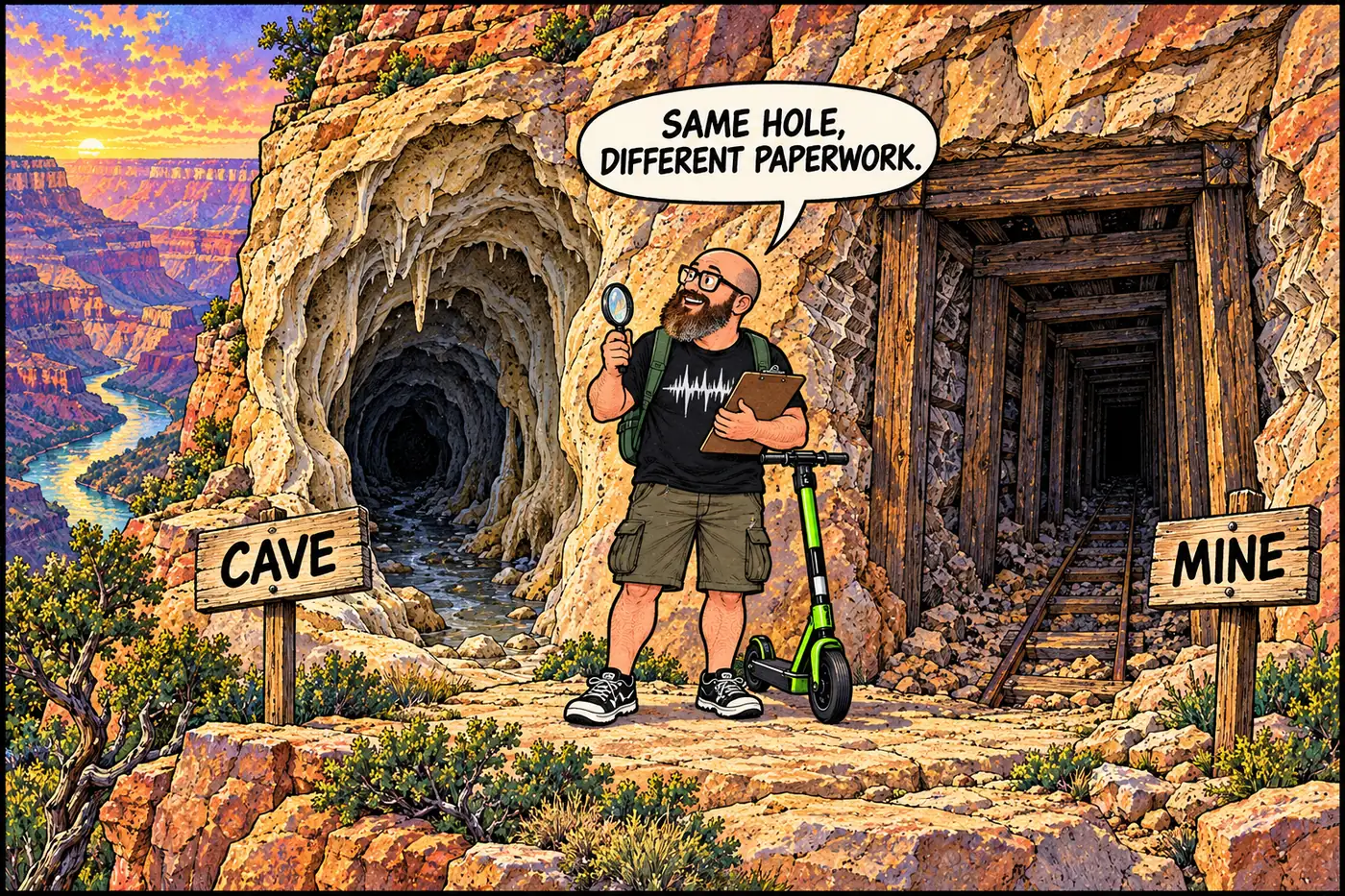
Federal and park rules define caves and mines differently, deciding who needs a permit, why a site is closed, and how NPS counts what is underground.
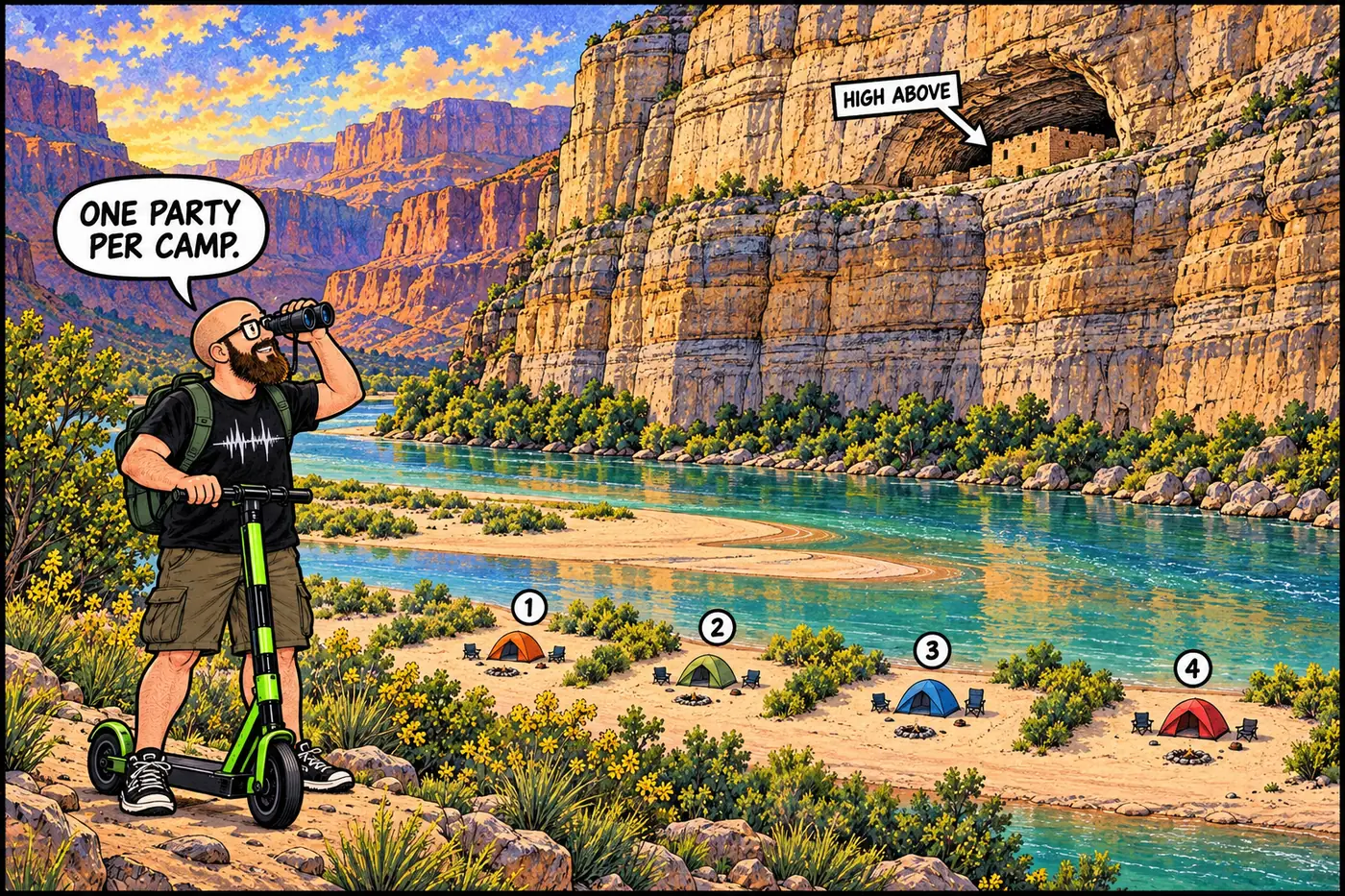
Ancestral Puebloan granaries above the river, a hard hike, and a river-corridor camping system limited to four named sites, one party each.
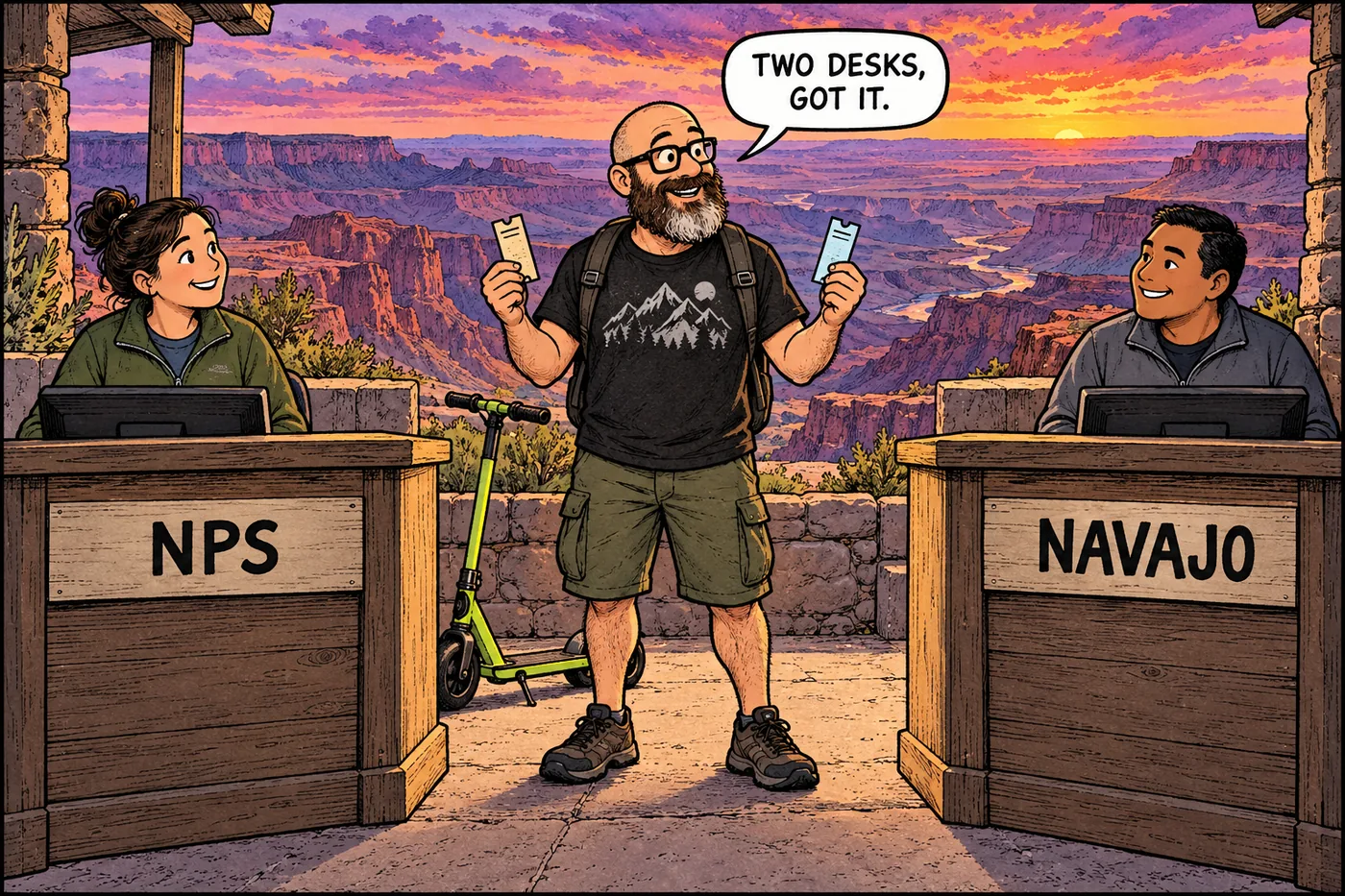
A tribal park, separate permits, and a contested historic boundary show why an NPS pass cannot stand in for Navajo Nation permission.
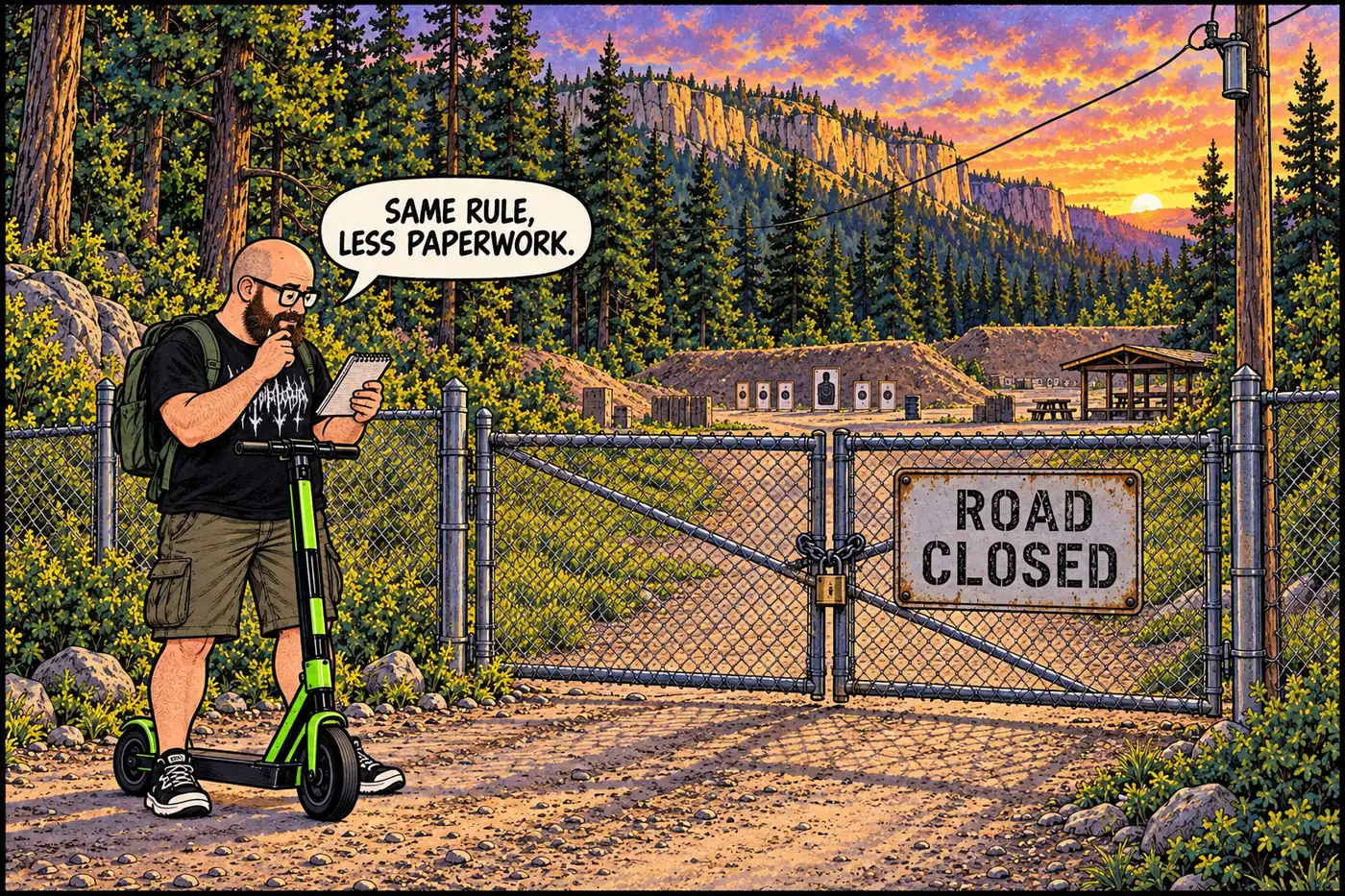
The North Rim’s own closed firing range, restricted under the same rule as the South Rim’s, with a much thinner public paper trail.
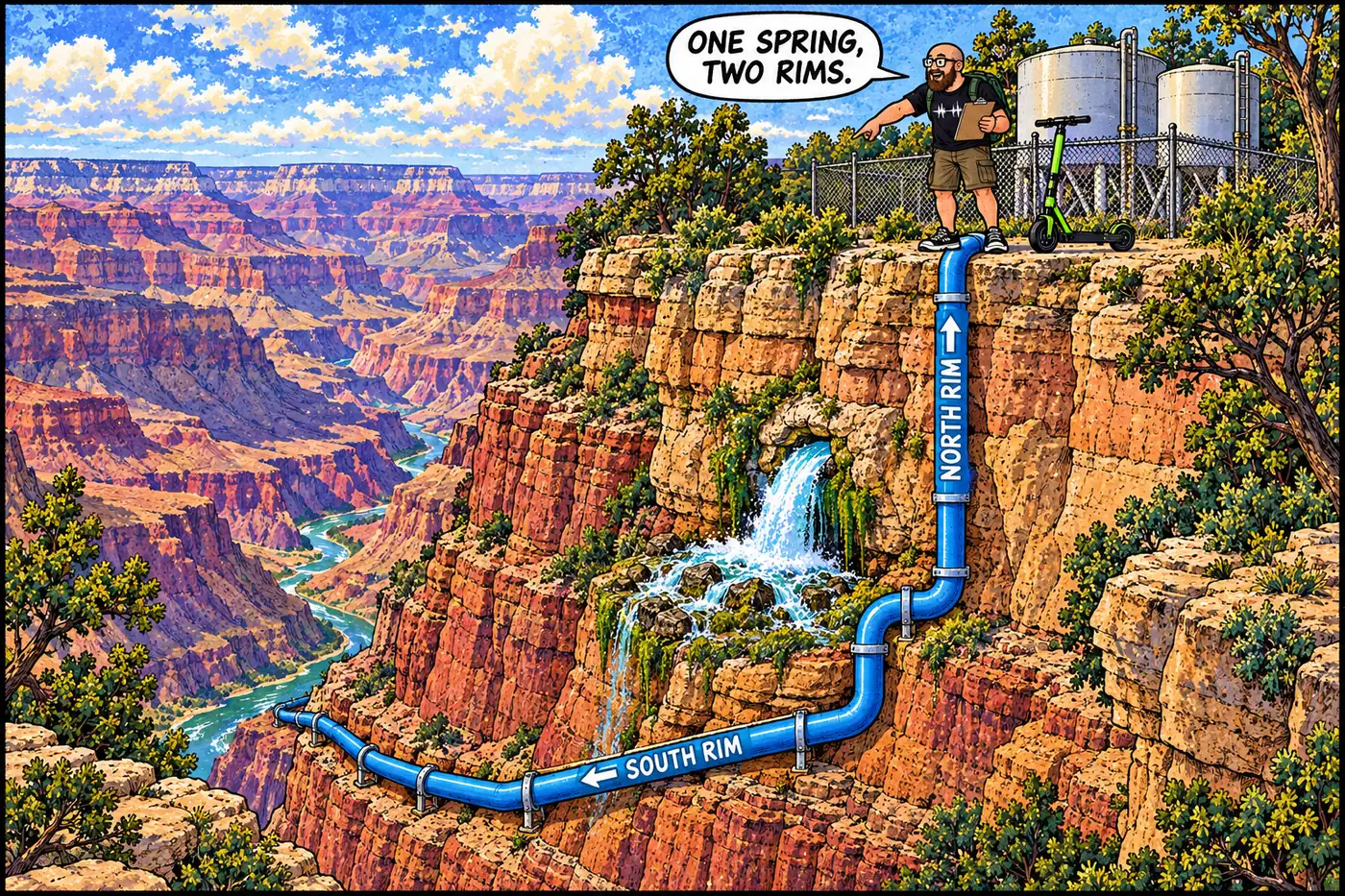
The North Rim’s water comes from Roaring Springs via a 1960s pipeline. A 2025 wildfire destroyed the treatment plant; potable water is still out in 2026.
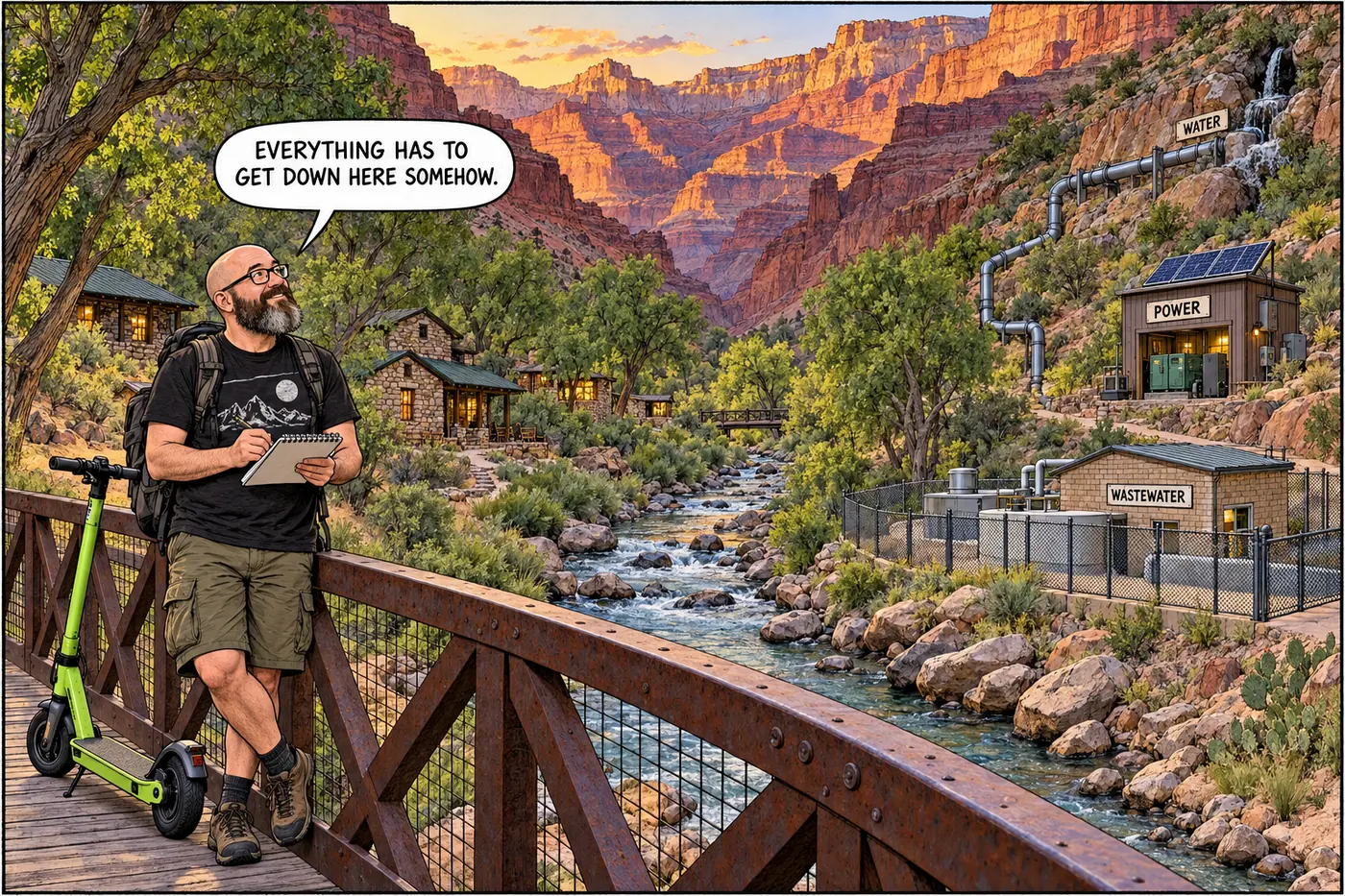
A century of improvised water, power, and sewage at the bottom of the canyon, and what August 2026’s flash flood destroyed and spared.
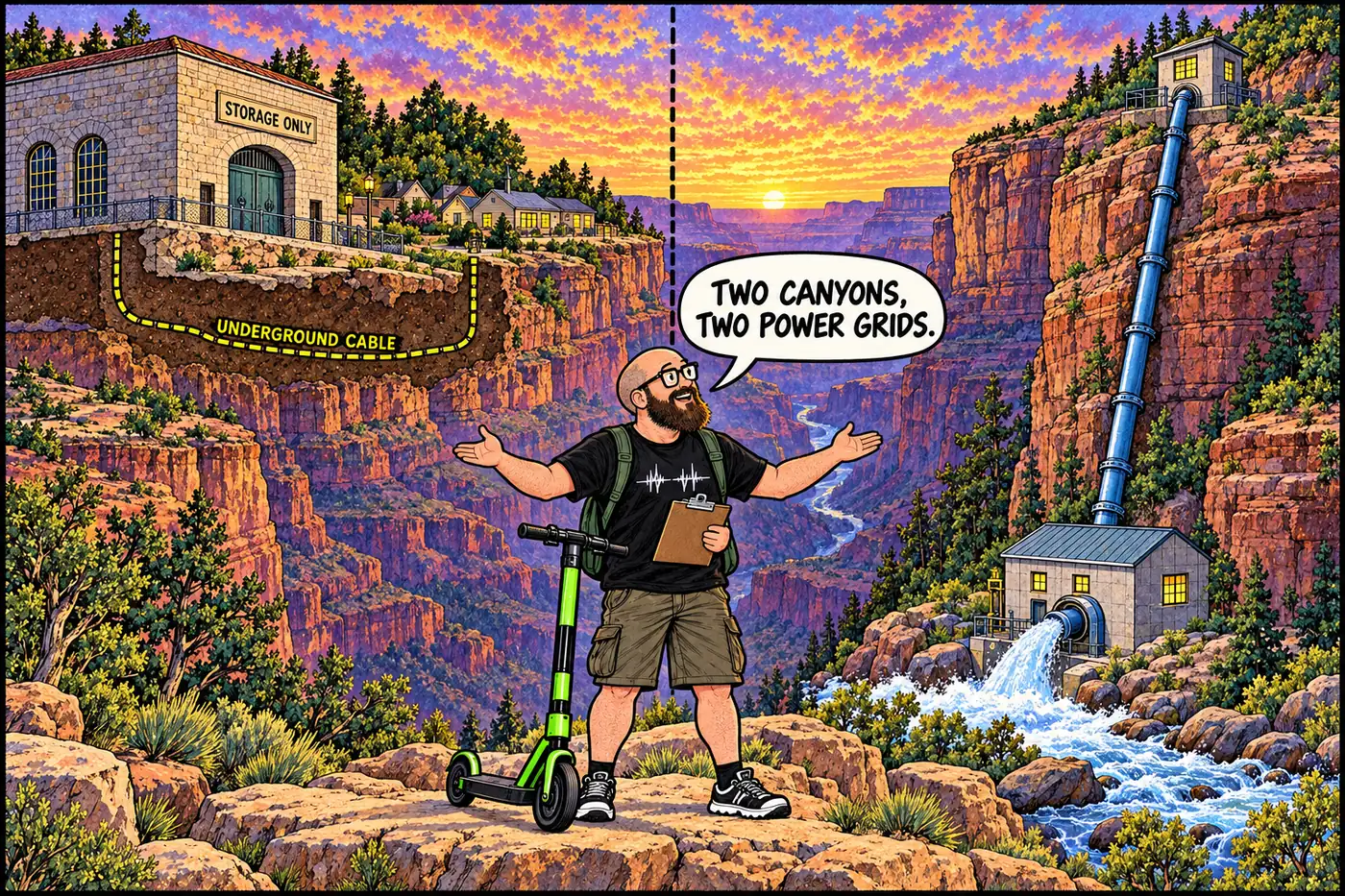
From a 1926 railroad powerhouse to a 2024 substation upgrade, how the South Rim, North Rim, and inner canyon actually get electricity.
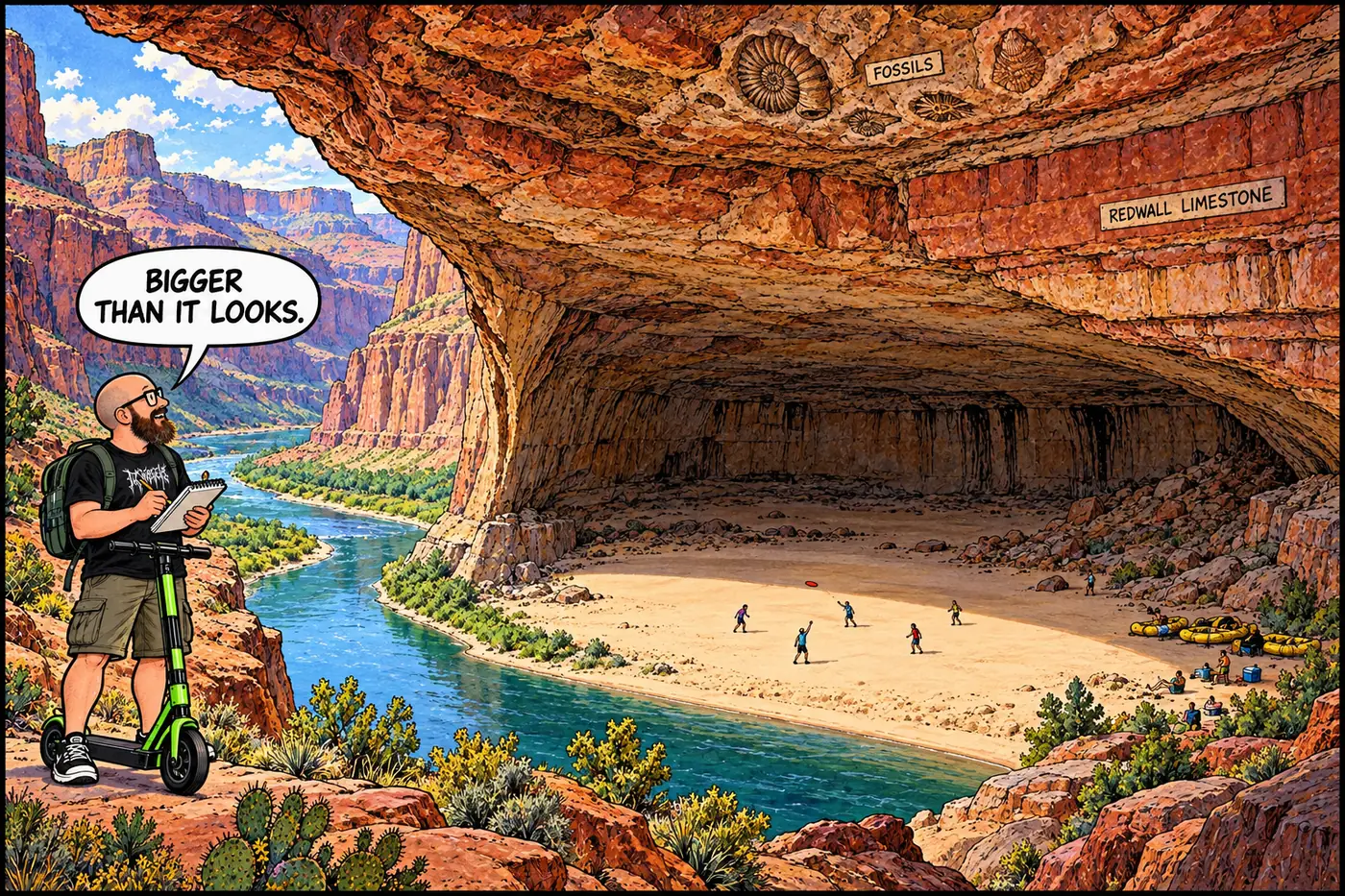
A limestone alcove at River Mile 33 that Powell guessed could seat 50,000 people — day-use only, no camping, and not legally a cave.
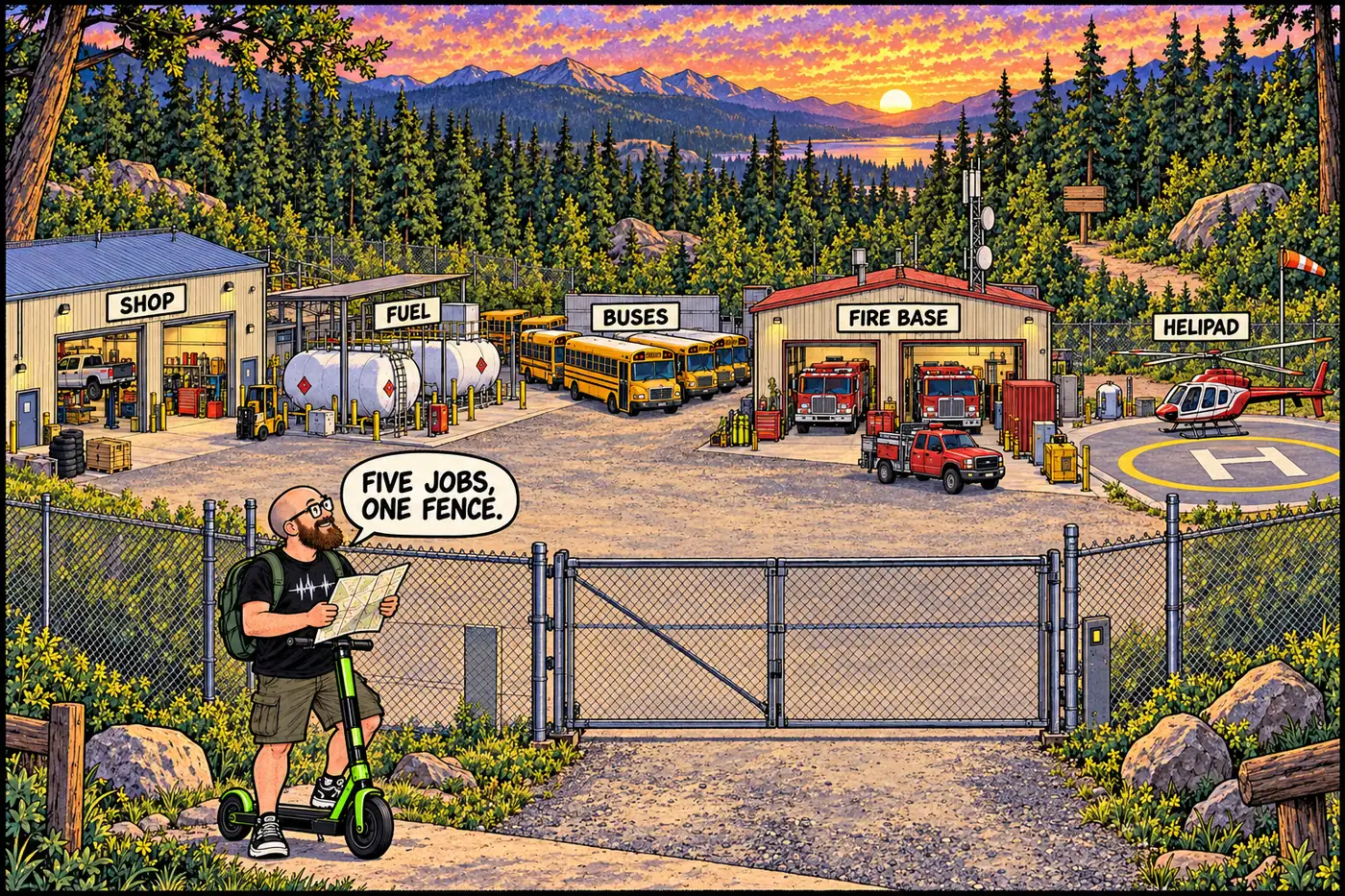
One closure notice covers the maintenance shops, fuel point, shuttle yard, fire base and aviation area behind Grand Canyon’s South Rim. Here’s what it actually says.