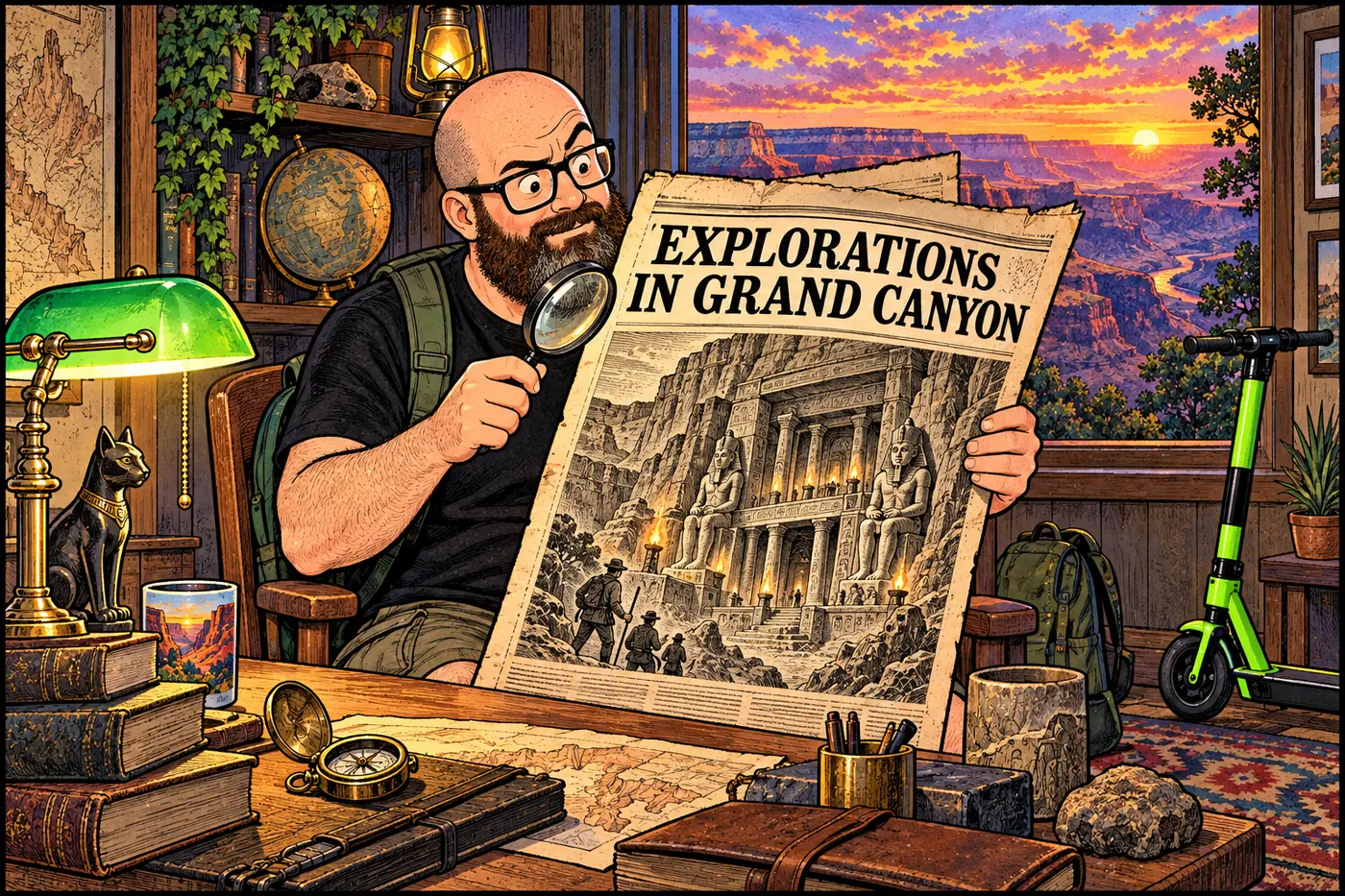
The 1909 Grand Canyon "Egyptian Cave": Myth vs. the Paper Trail
A 1909 Phoenix newspaper claimed the Smithsonian found an Egyptian city inside the Grand Canyon. Here’s what the records, the place names, and the real closures actually show.
A 1909 Phoenix newspaper claimed the Smithsonian found an Egyptian city inside the Grand Canyon. Here’s what the records, the place names, and the real closures actually show.
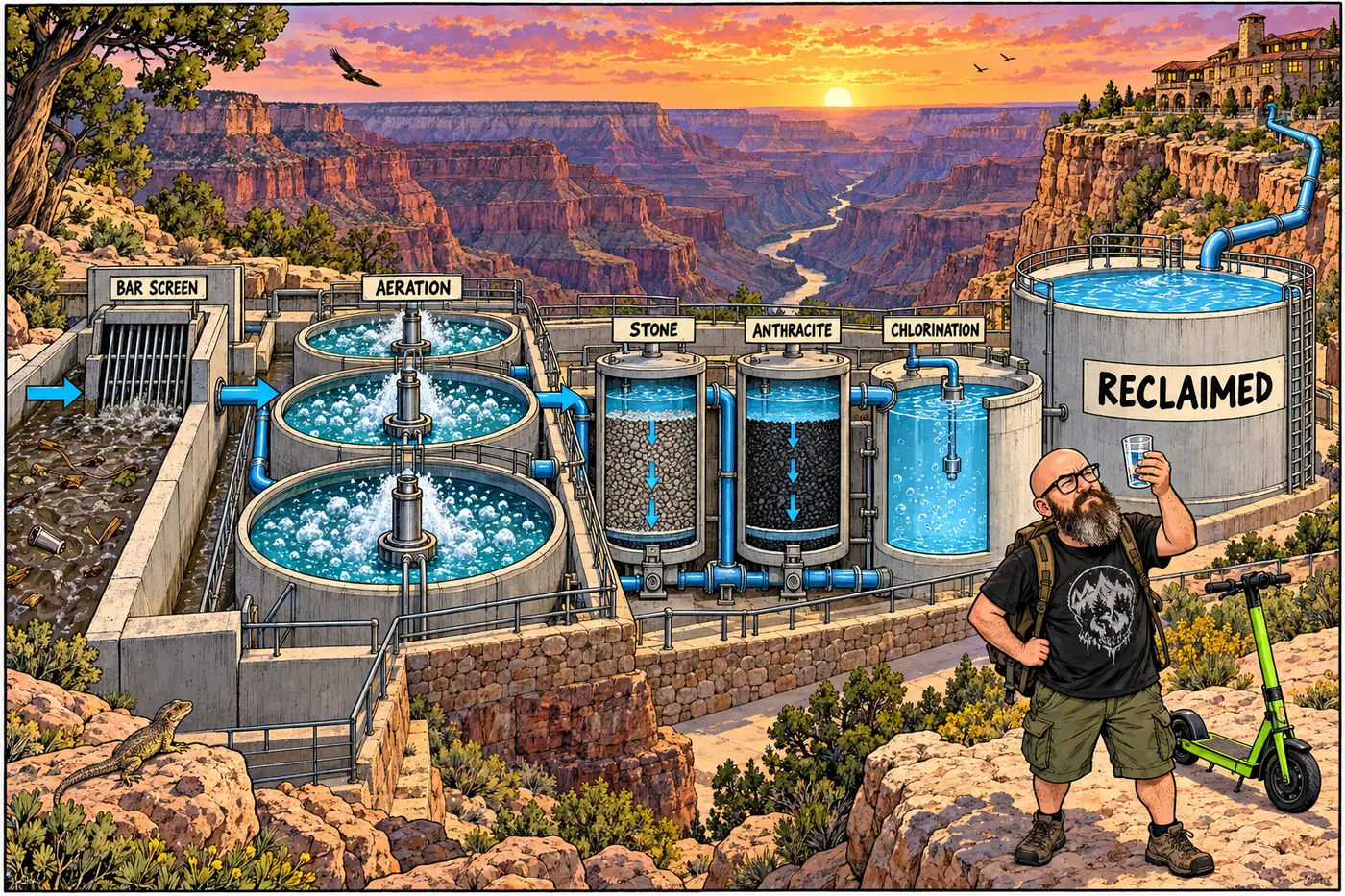
A railroad-built plant reclaimed wastewater for a rim with no natural water supply, ran trouble-free for 46 years, and is now a fenced historic district.
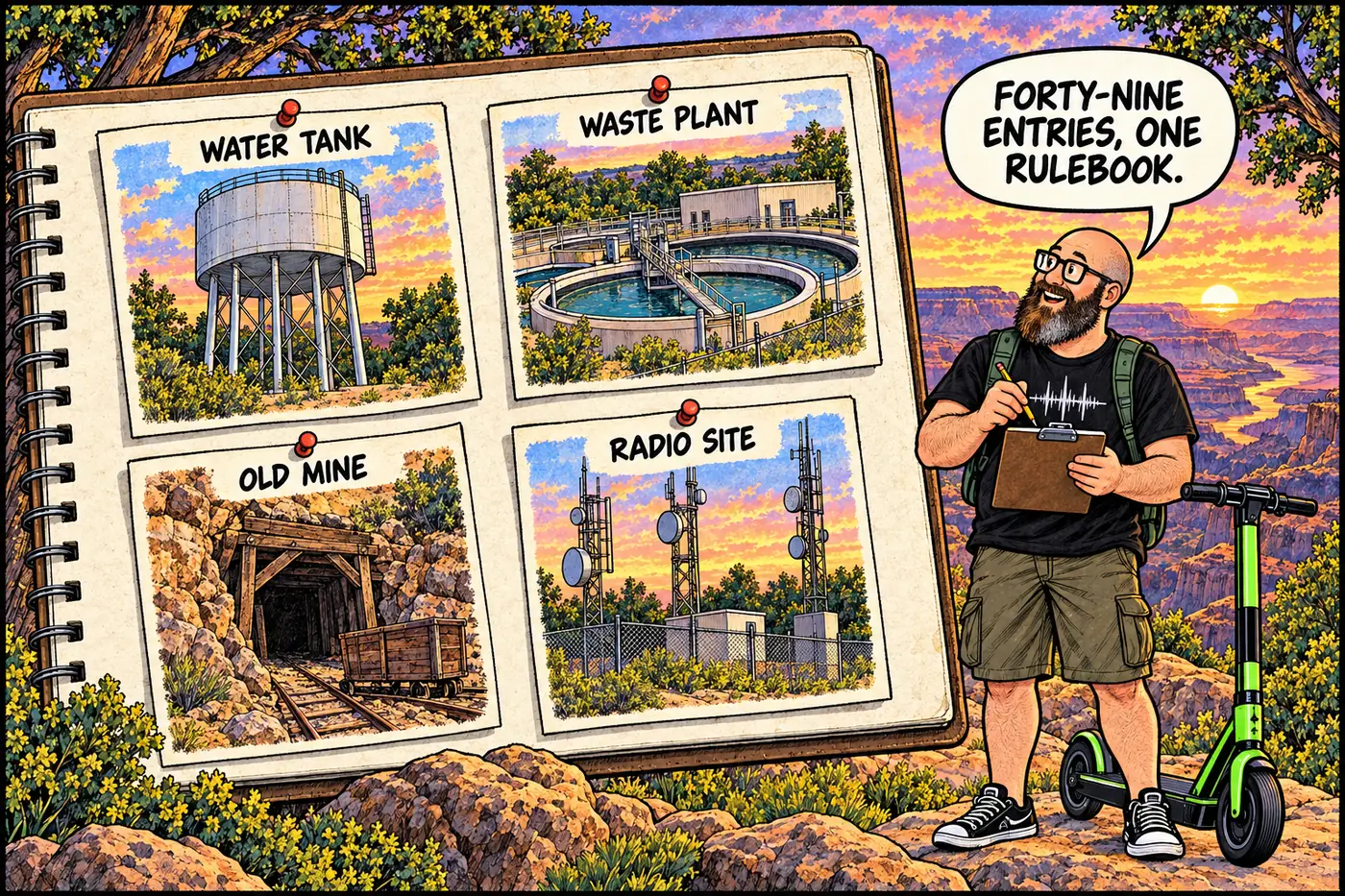
All 49 numbered closures from Grand Canyon’s official compendium, organized by district with the stated reason and CFR citation for each.
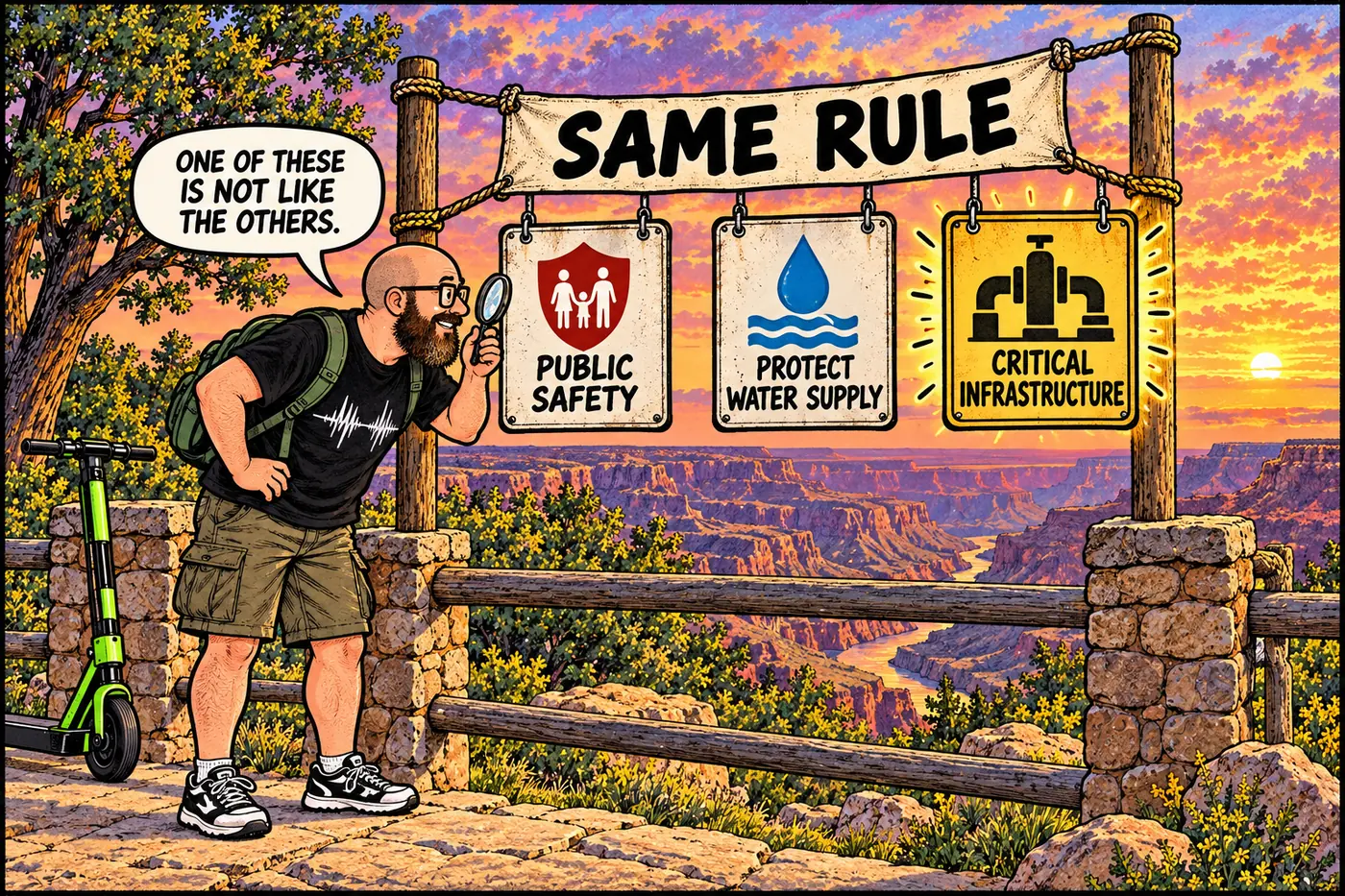
The park’s closure rulebook uses the phrase only once, for one pumphouse — every other infrastructure closure runs on the same law, different wording.
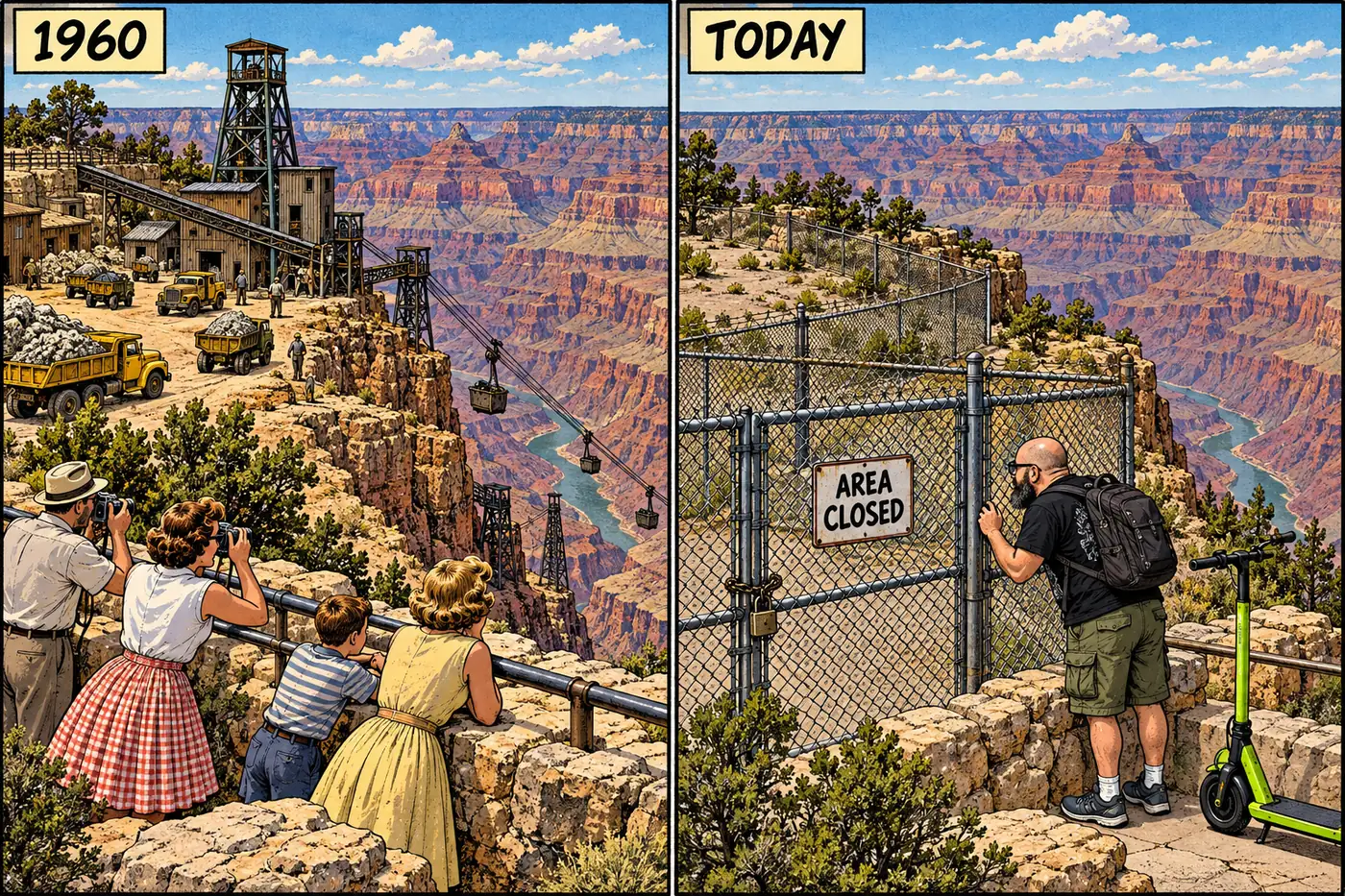
An 1893 copper claim on the South Rim became one of the richest uranium mines in the country, then a cleanup the Park Service is still fencing, monitoring, and gluing down today.
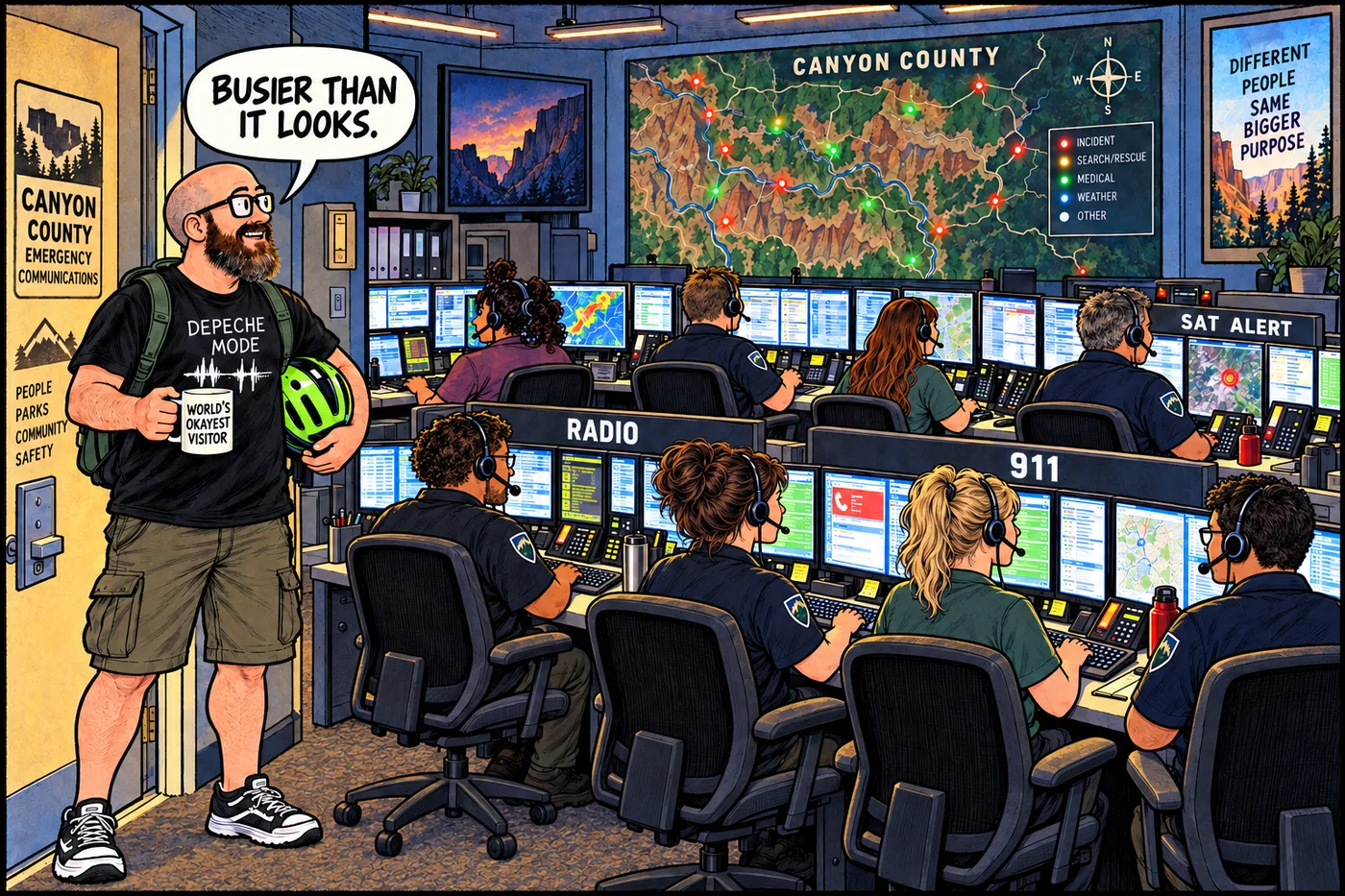
Eight dispatchers, a prevention program born from a deadly 1996 summer, and the August 2026 flood that tested both when the sensors failed.
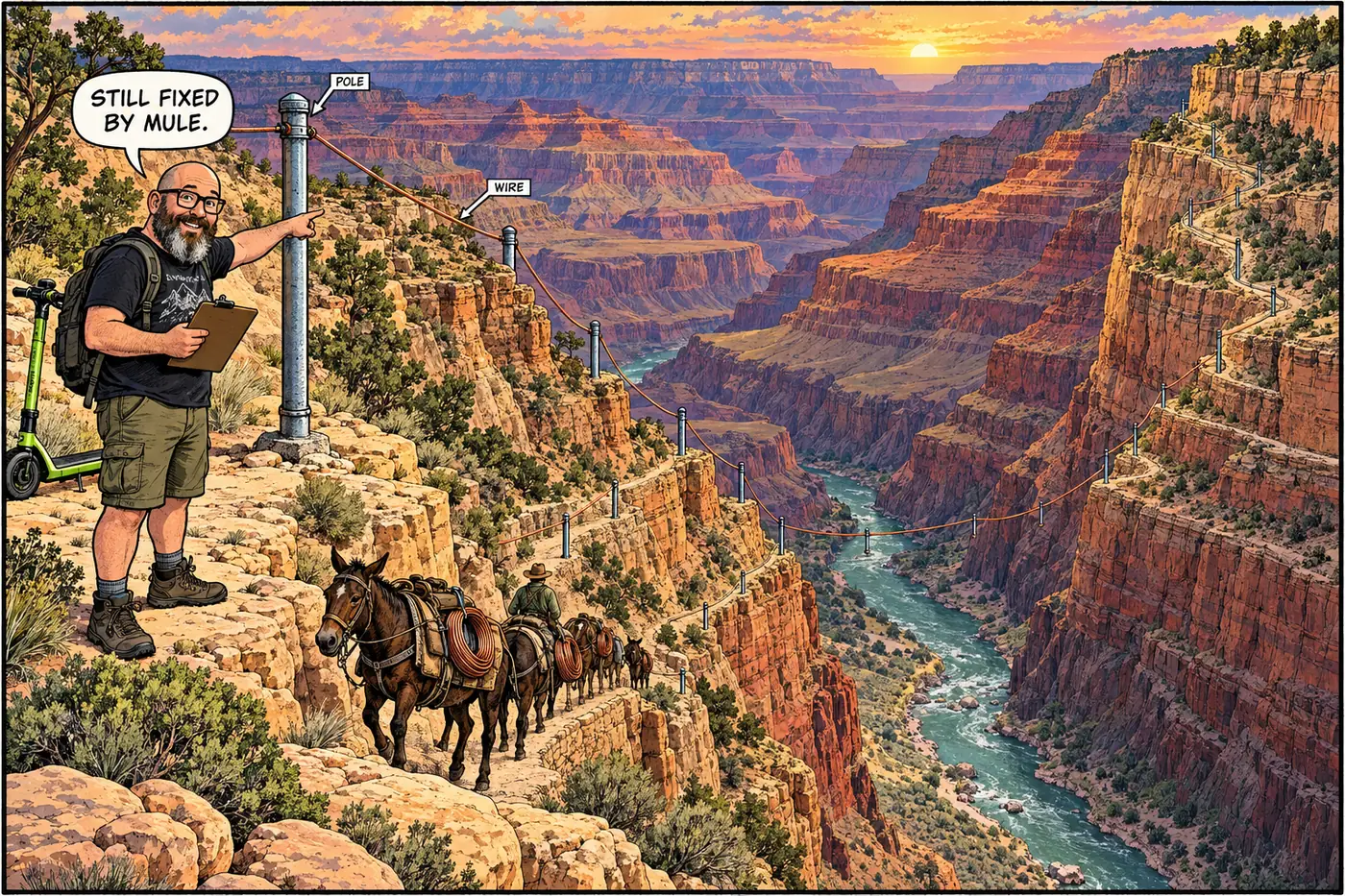
A 1922 tree-strung wire became a CCC-built copper line on 592 pipe poles, rescued hikers for decades, and is now a mapped aircraft hazard.
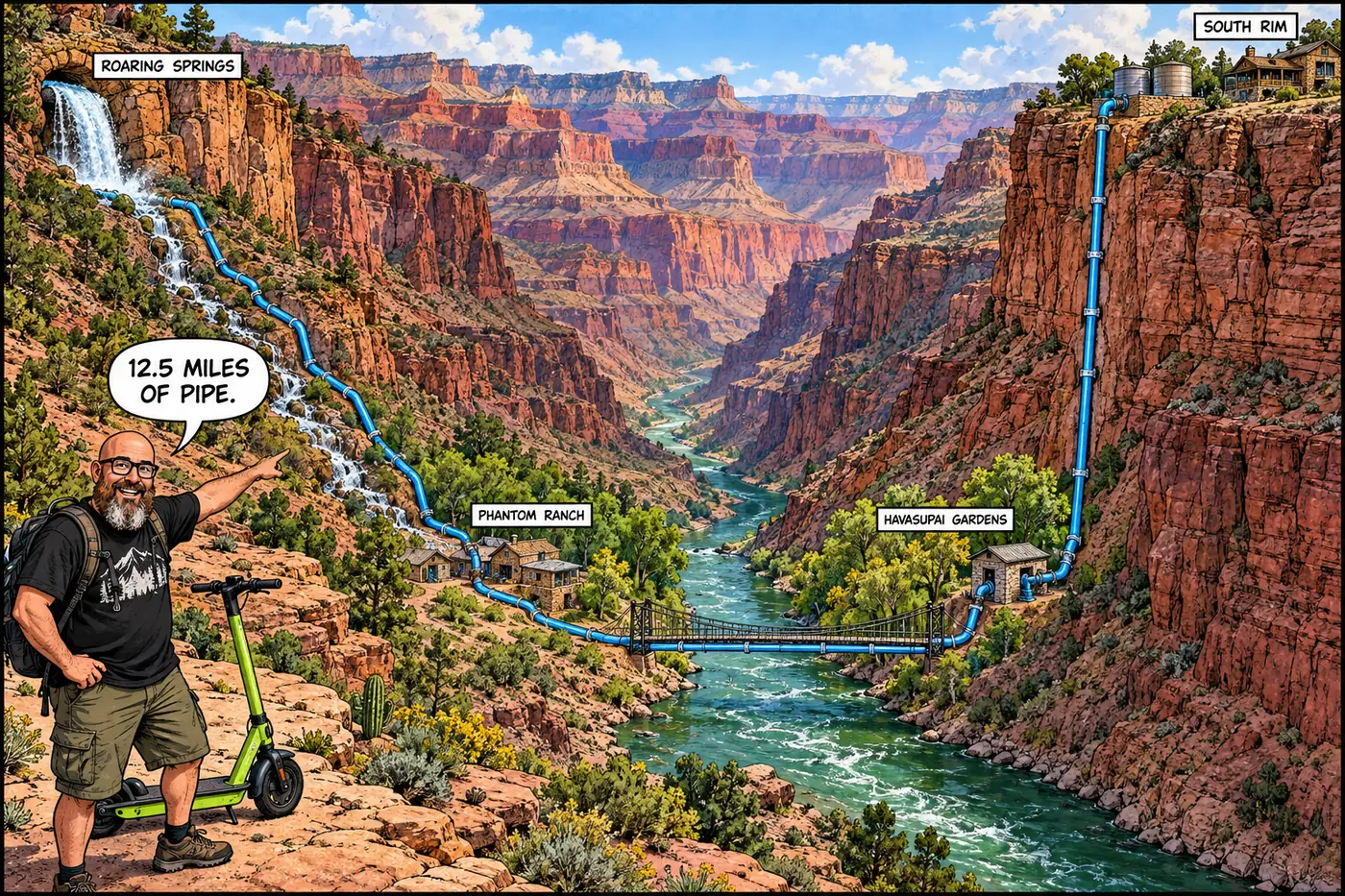
How a 1960s aluminum pipe across the Grand Canyon came to supply every South Rim facility, why it broke 85-plus times, and what the August 2026 flood did to its $208 million replacement.
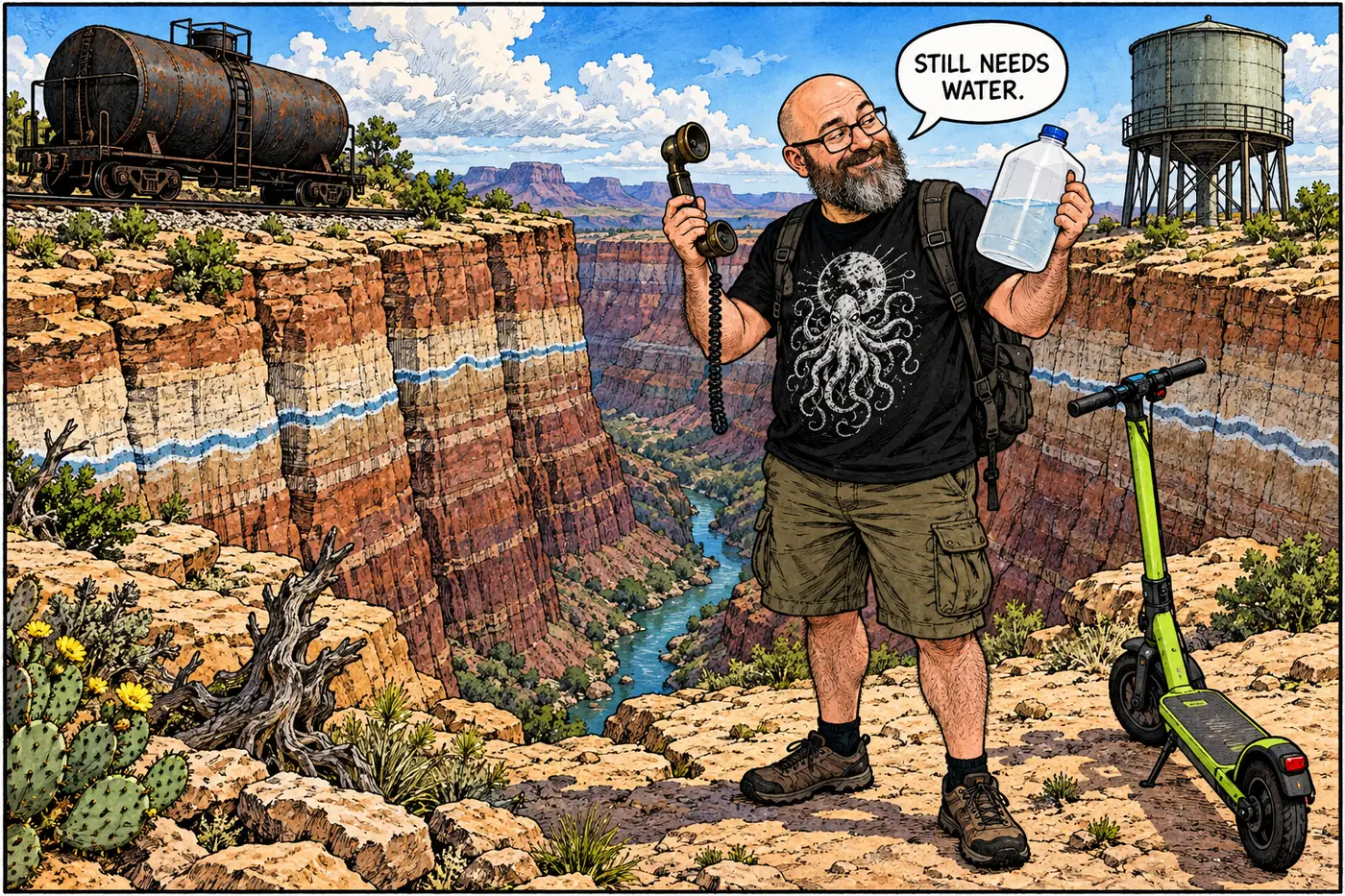
From rail tank cars and one-call phone lines to mine cleanup and the 2026 water emergency: a dated guide to the systems behind the scenery.
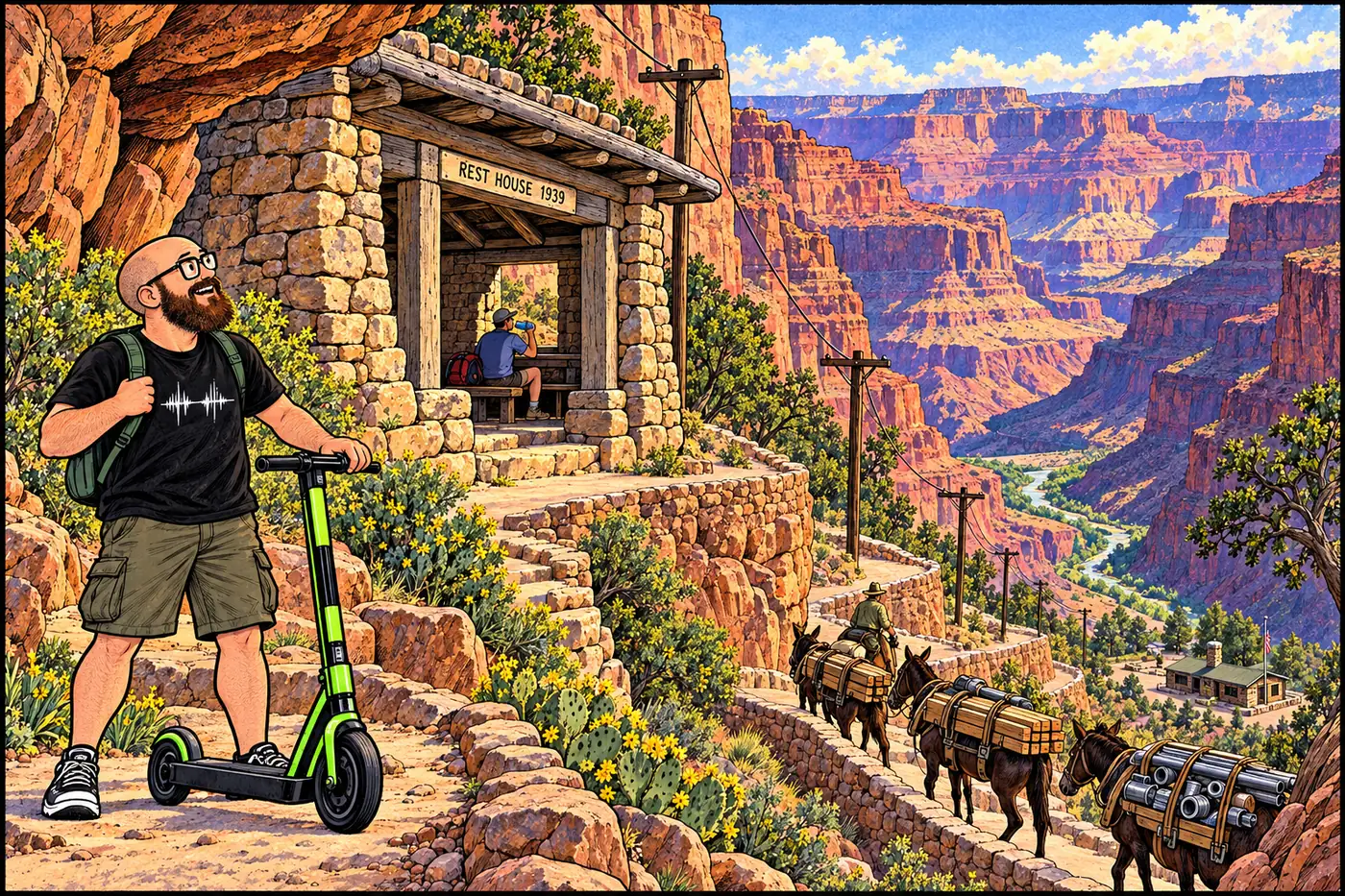
CCC rock shelters still shelter hikers, a 1966 ranger station still runs, and a century-old station is still protected by name in the park’s current rulebook.