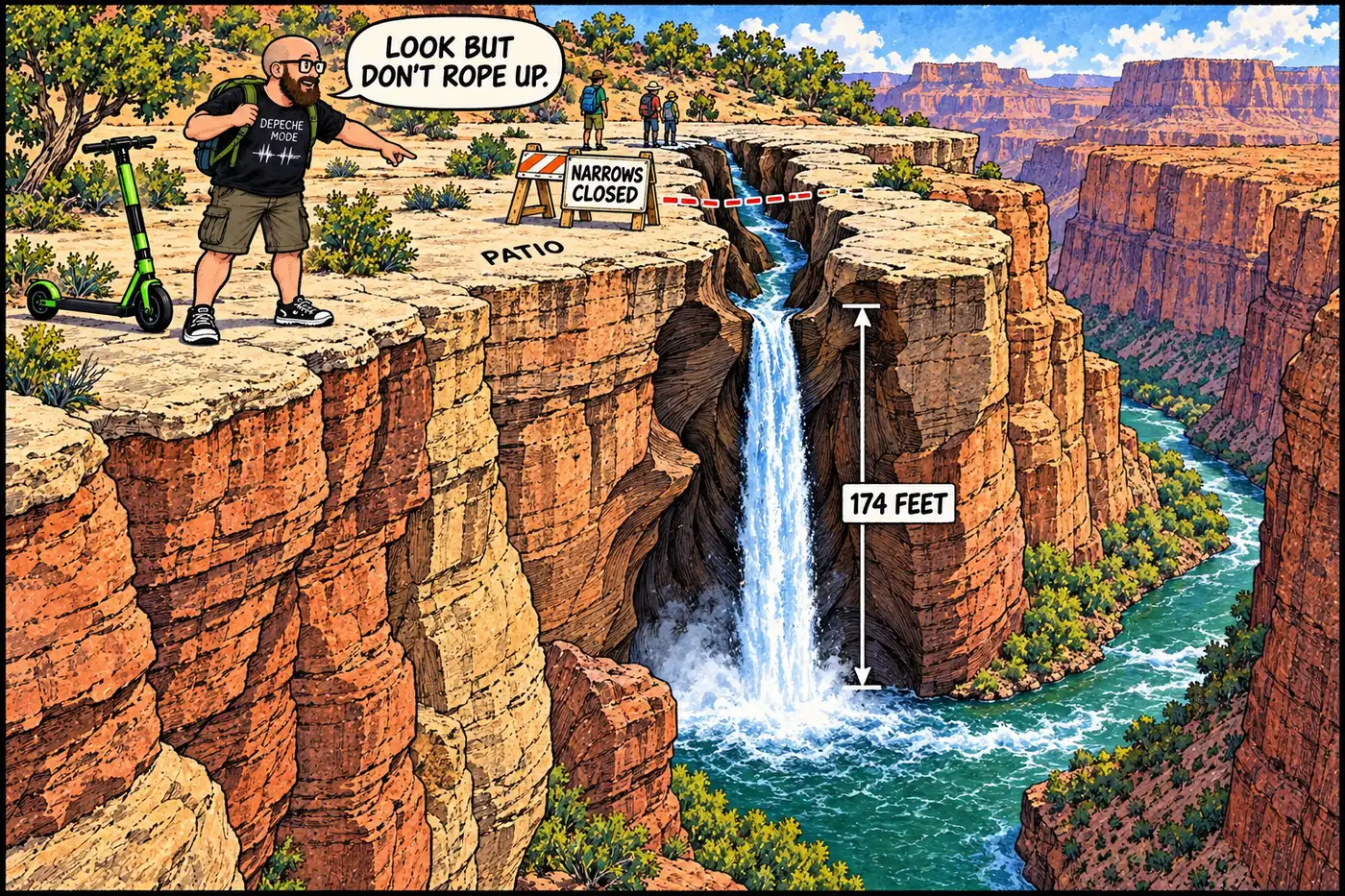
Deer Creek: Why the Narrows Are Closed to Climbing and Rappelling
A river-mile 136.9 waterfall hike stays open, but the slot canyon below it is closed by federal rule to protect a site the Kaibab Band of Paiute Indians calls sacred.
A river-mile 136.9 waterfall hike stays open, but the slot canyon below it is closed by federal rule to protect a site the Kaibab Band of Paiute Indians calls sacred.
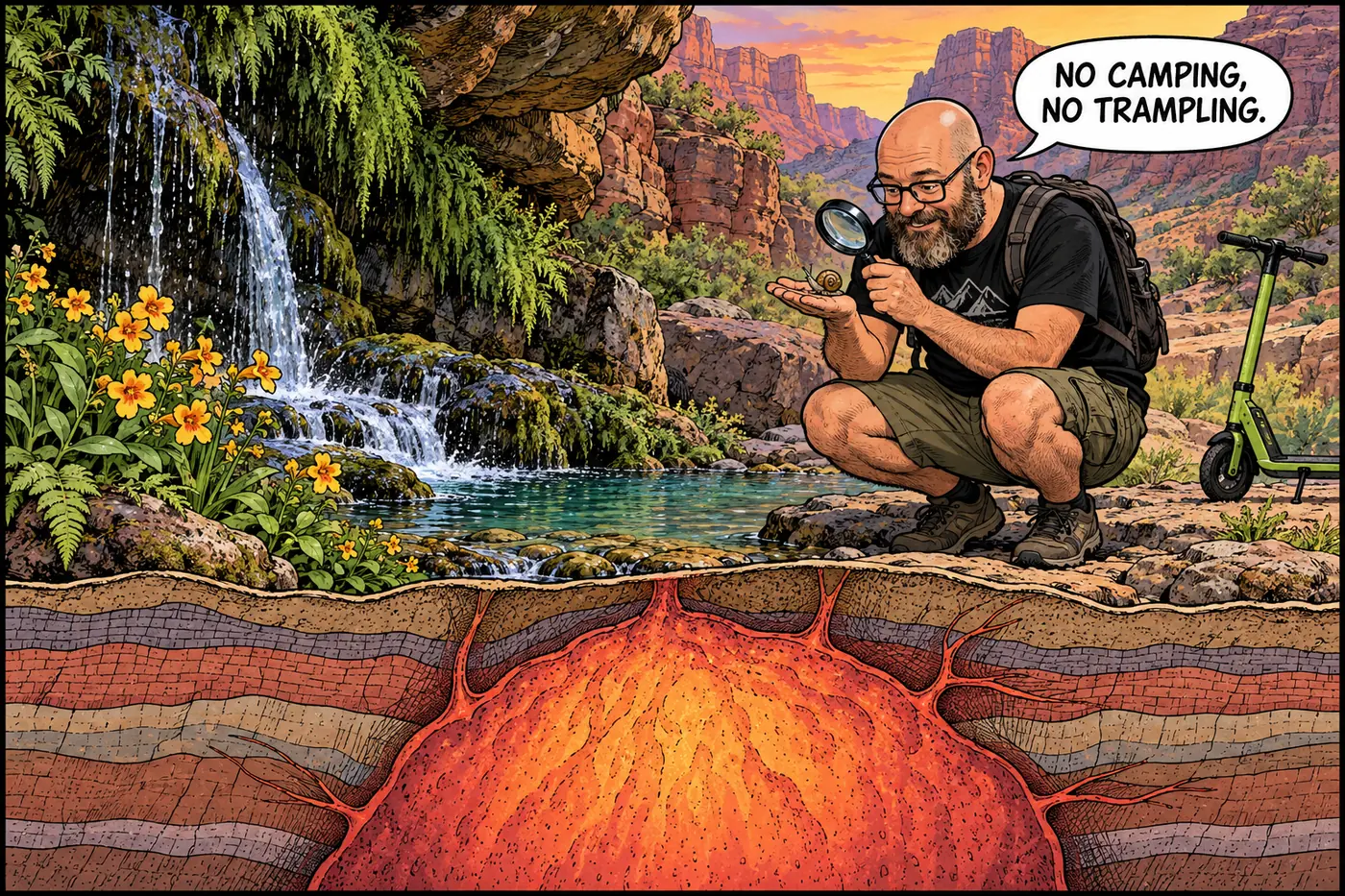
Elves Chasm has a camping closure, protected wetland plants, a snail delisted for taxonomy rather than recovery, and some of the canyon’s oldest rock.
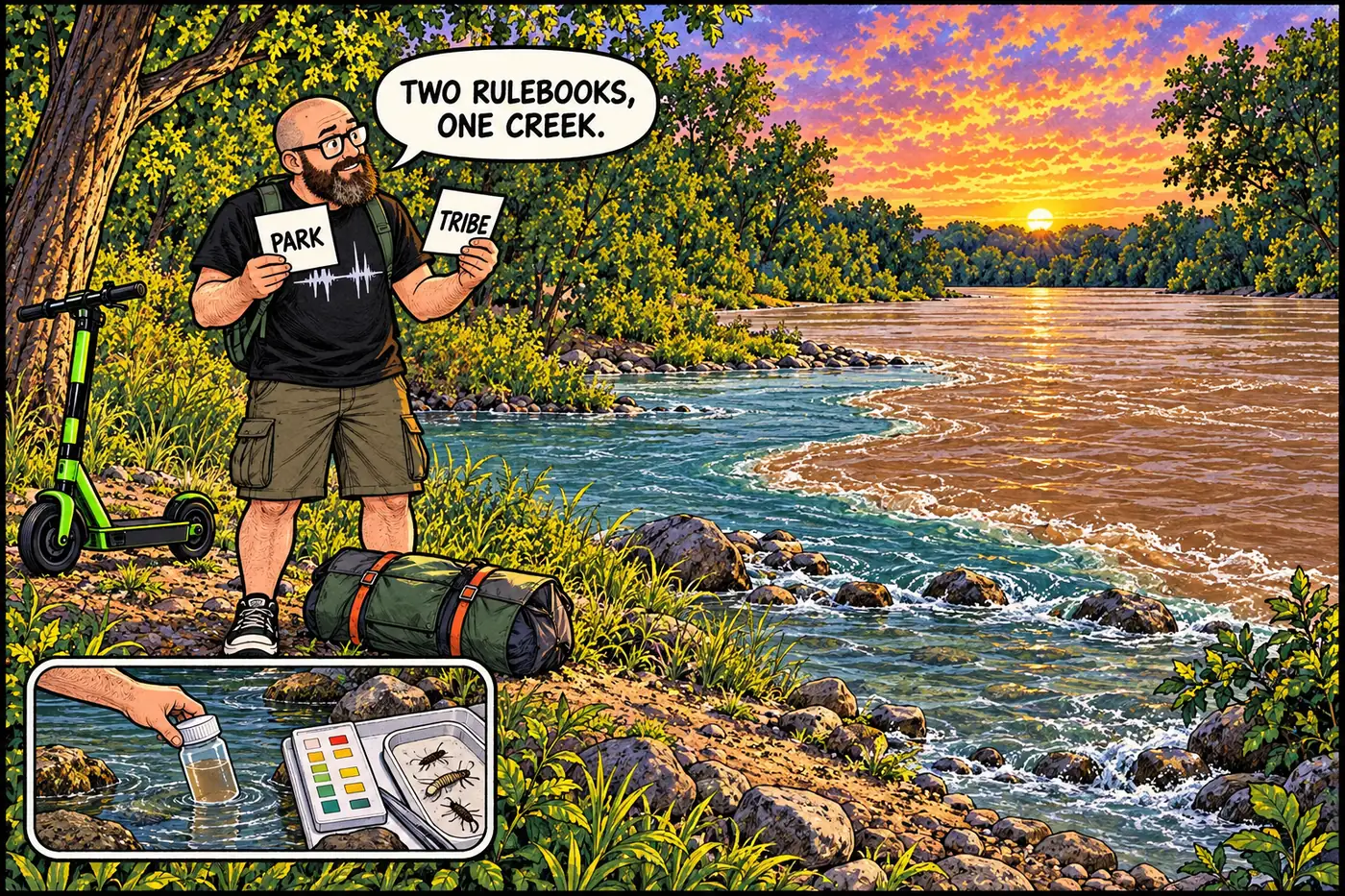
Havasu Creek is tribal homeland, a flood-prone tributary and a monitored river system. The park’s lower-creek camping rule is not a blanket visitation ban.
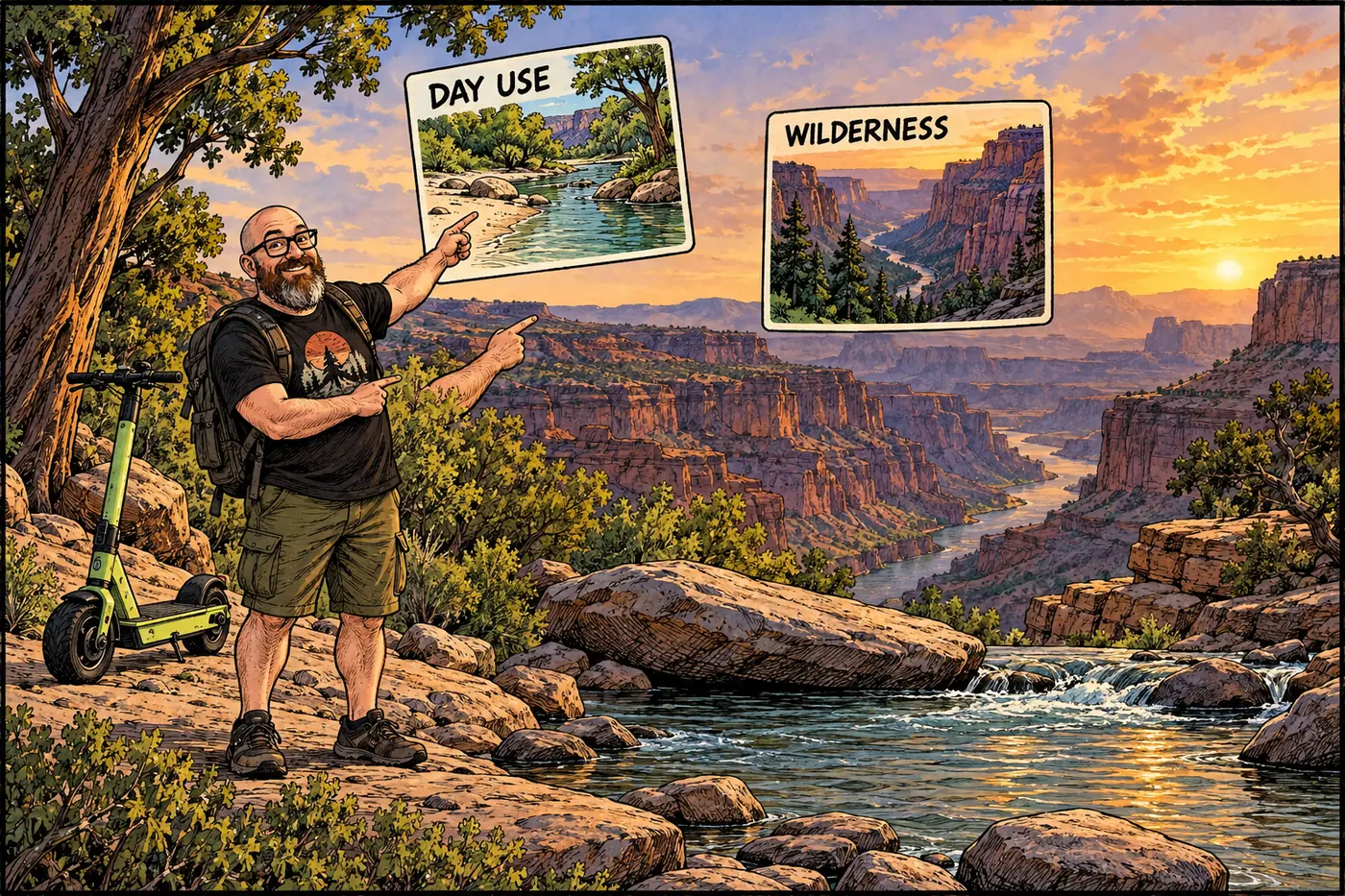
Kanab Creek has a defined NPS river-trip camping restriction at its mouth and a separate BLM/Forest Service wilderness upstream. Here’s what each rule actually covers.
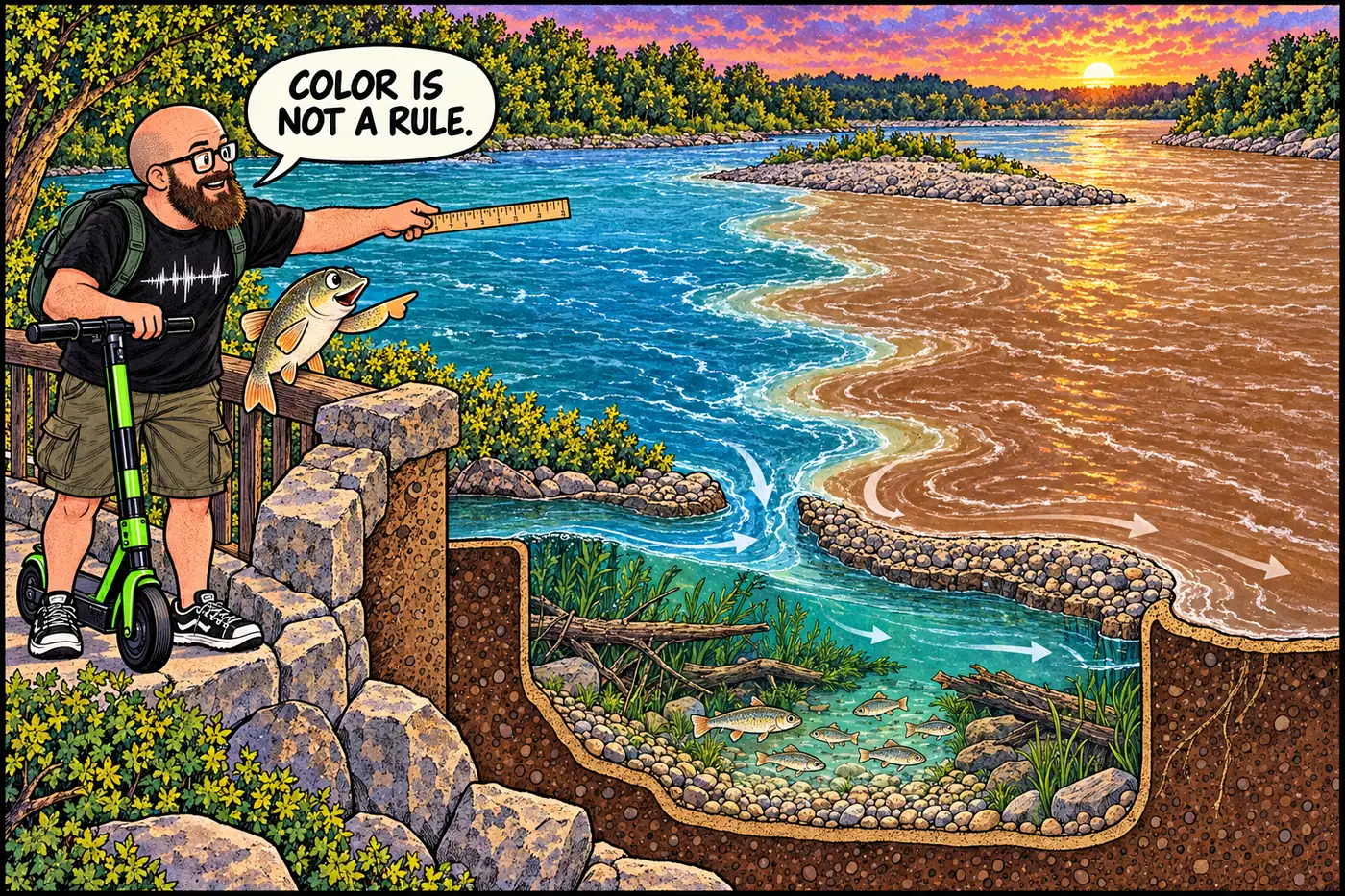
The Little Colorado confluence is chub habitat and a Navajo sacred site. Here’s what the park’s 2026 channel, wading and camping rules actually say.
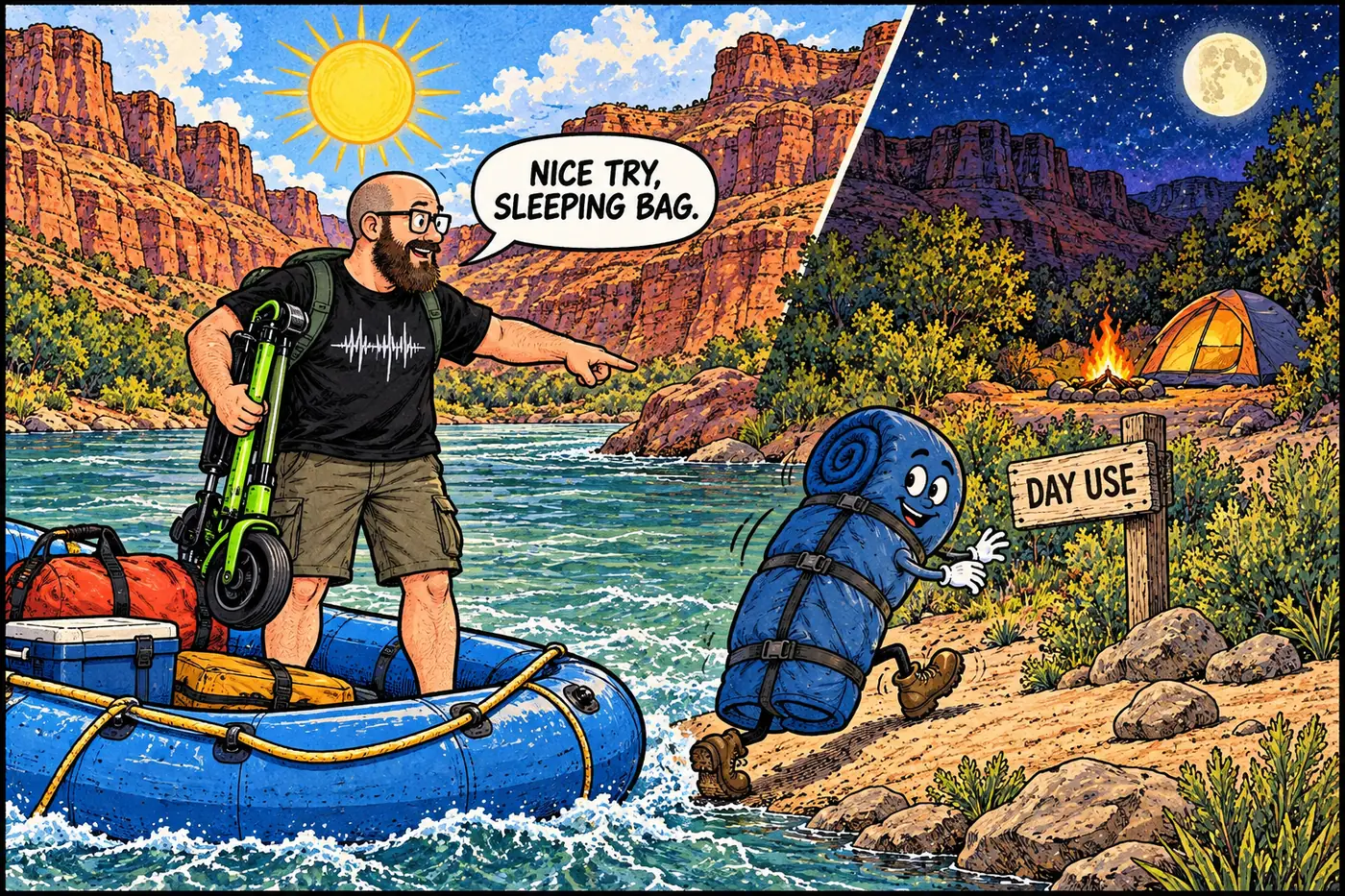
Grand Canyon’s 2026 compendium bars camping at Matkatamiba but does not bar daytime visits. Two rulebook entries spell out the distinction; neither explains the original reason.
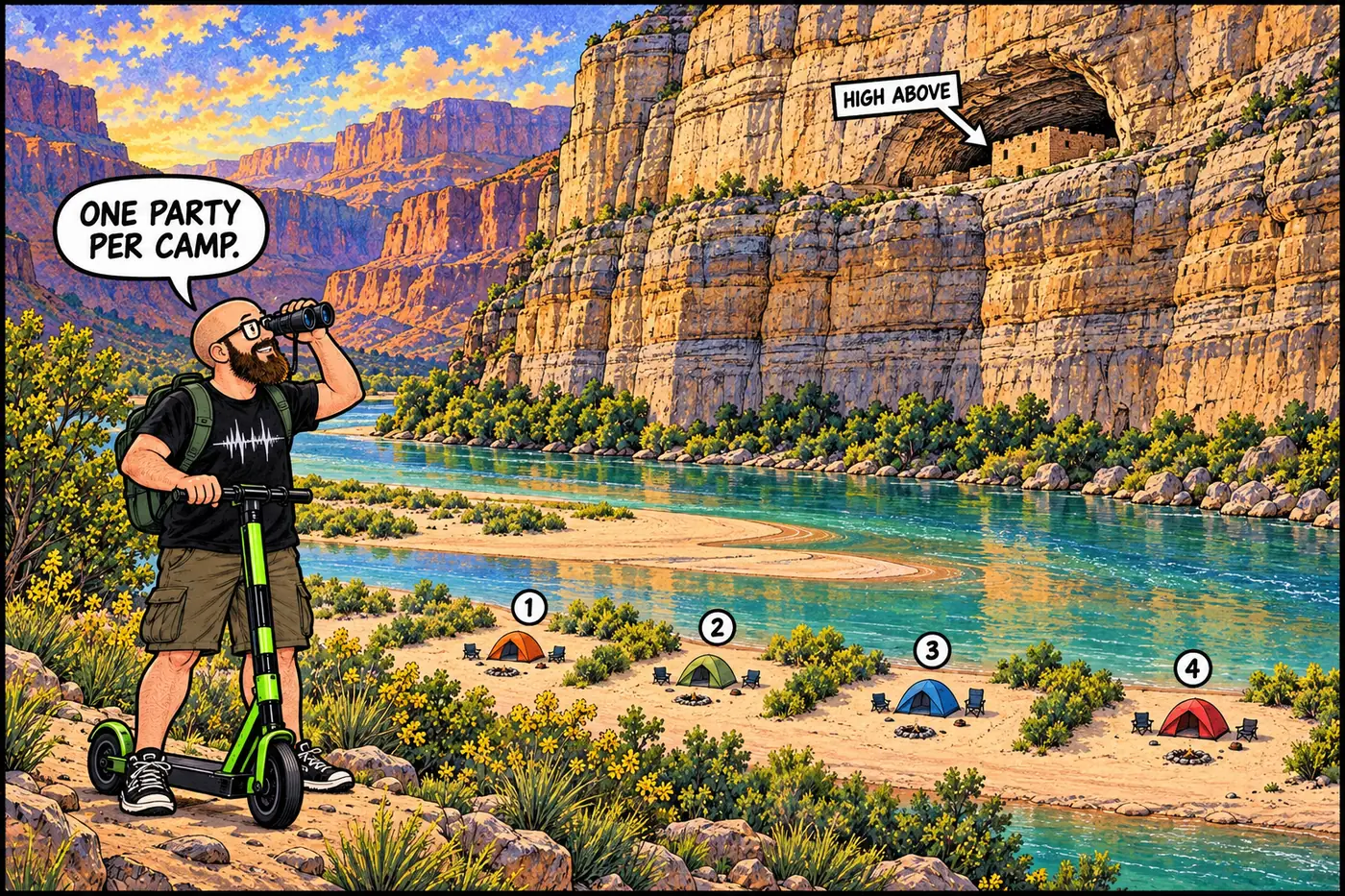
Ancestral Puebloan granaries above the river, a hard hike, and a river-corridor camping system limited to four named sites, one party each.
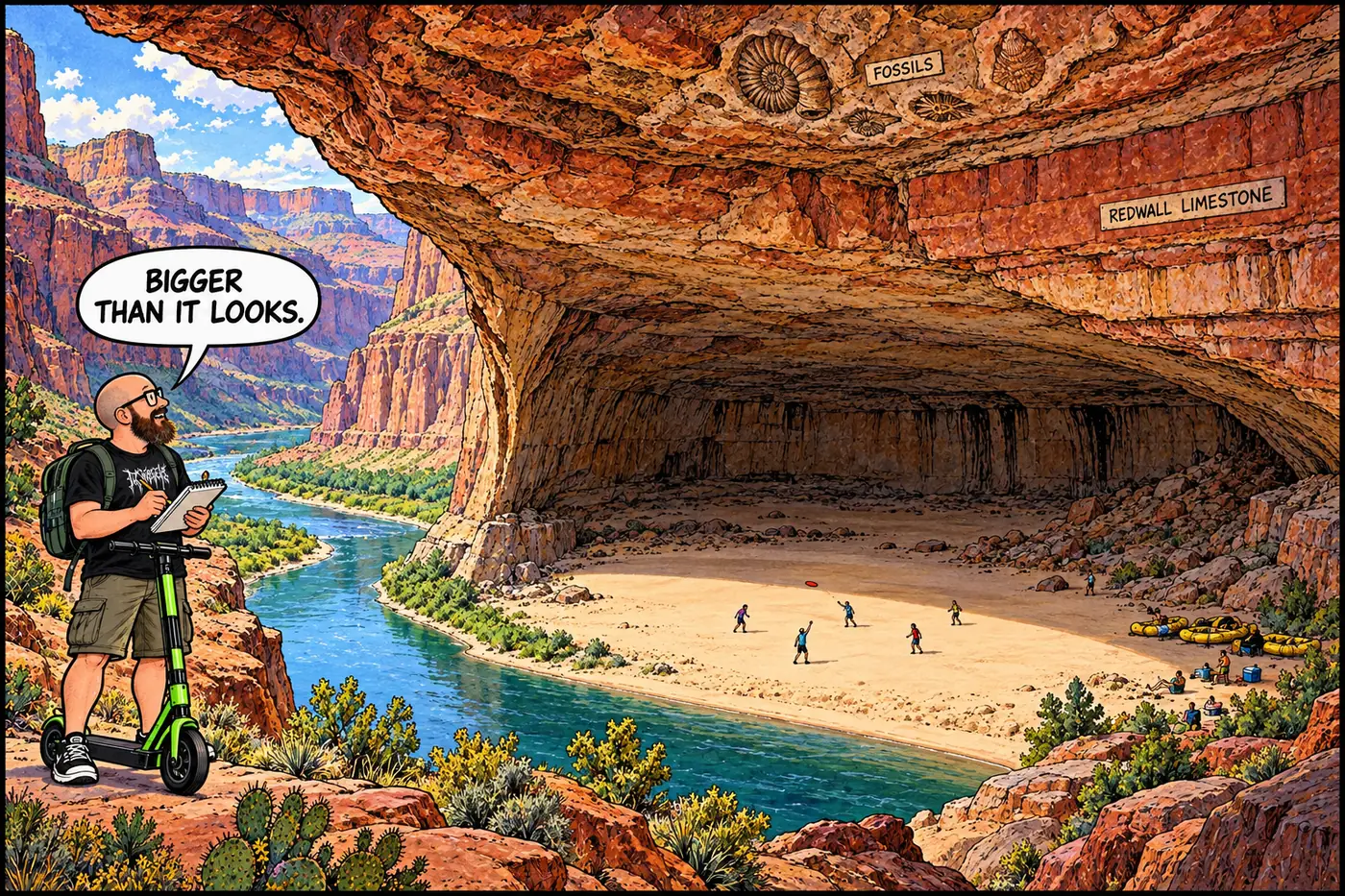
A limestone alcove at River Mile 33 that Powell guessed could seat 50,000 people — day-use only, no camping, and not legally a cave.
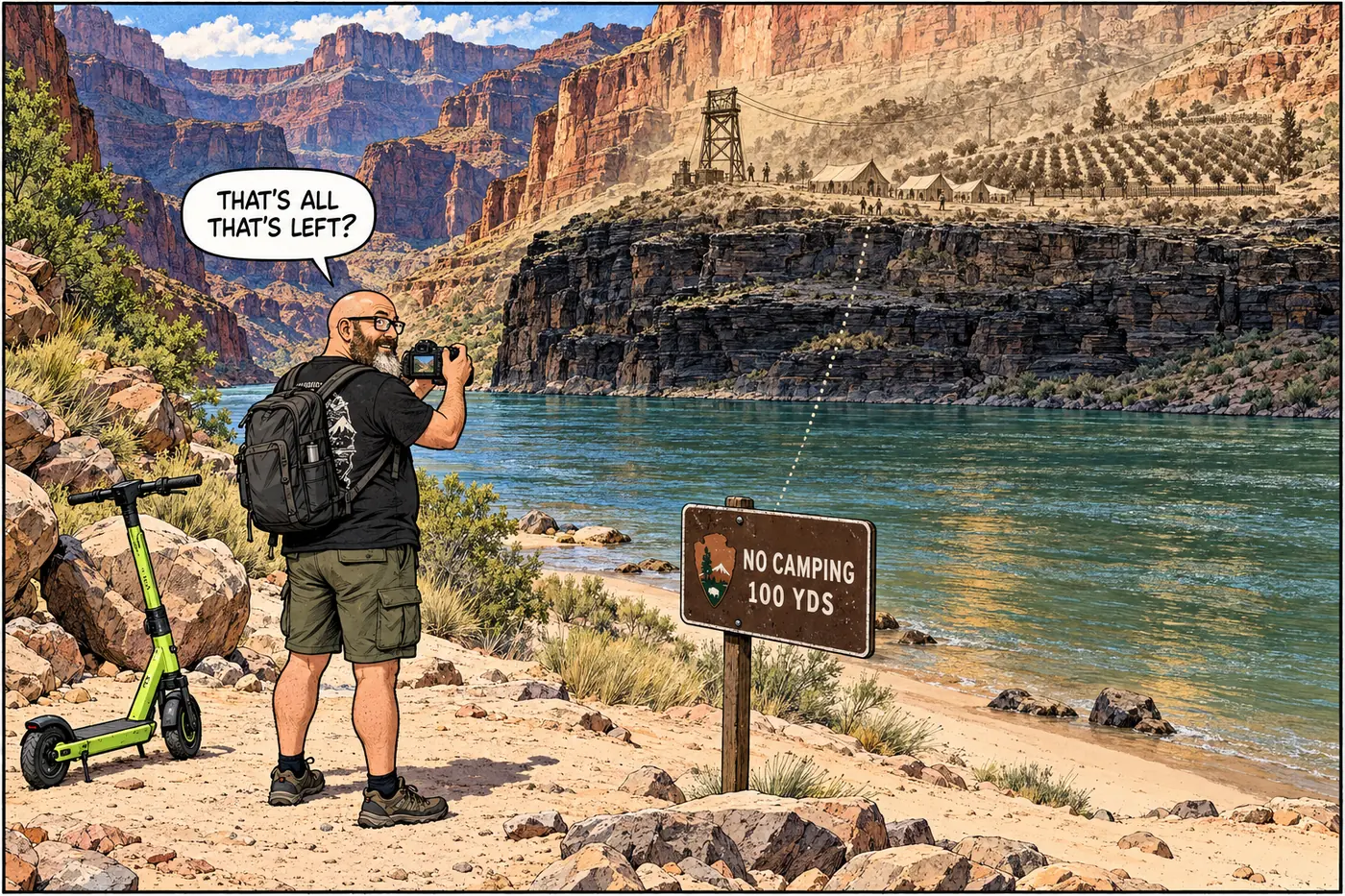
A narrow modern setback rule sits where William Bass ran a cable crossing and orchard that completed the canyon’s first rim-to-rim trail.
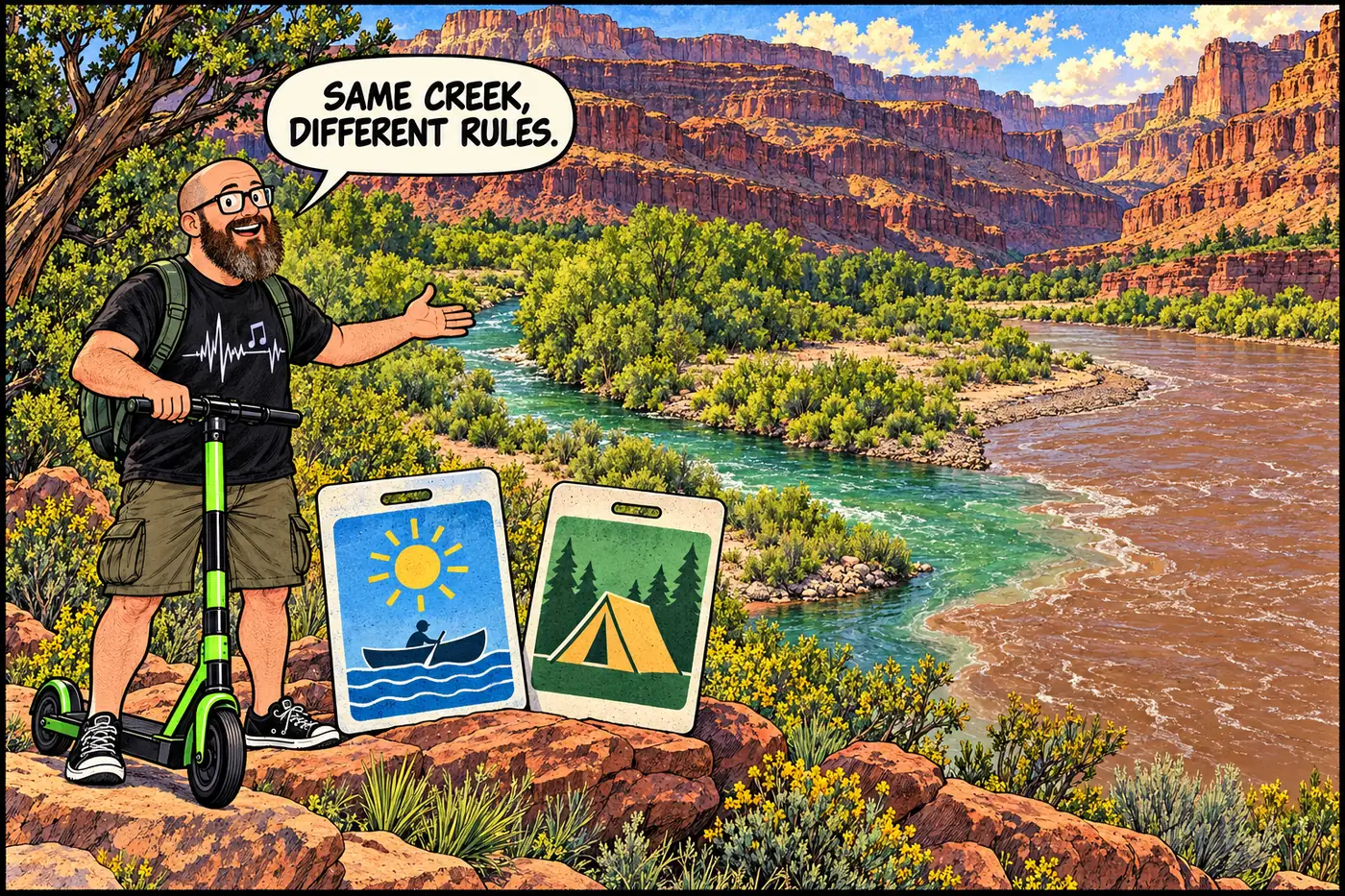
Tapeats Creek is open for river-trip day visits, but not river-trip camping at the confluence. Backpacker sites and a separate Thunder River camping closure follow different rules.